Why Evidence Integrity Starts Before Analysis—and Why It Matters Under Scrutiny

When evidence faces scrutiny, its value hinges on what happens long before analysis begins. Your team’s approach to digital evidence preservation shapes the entire outcome—chain of custody, collection methods, and thorough documentation all build the foundation for credible, defensible analysis. Overlooking these early steps creates risk that can derail your case during audits or disputes. This guide will clarify why investing in disciplined evidence handling upfront protects your matter from costly challenges down the line. Learn more about digital forensics.
The Importance of Evidence Preservation
Your case's success relies on how you handle evidence before any analysis takes place. This section will guide you through the essentials of preserving evidence properly.
Chain of Custody Essentials
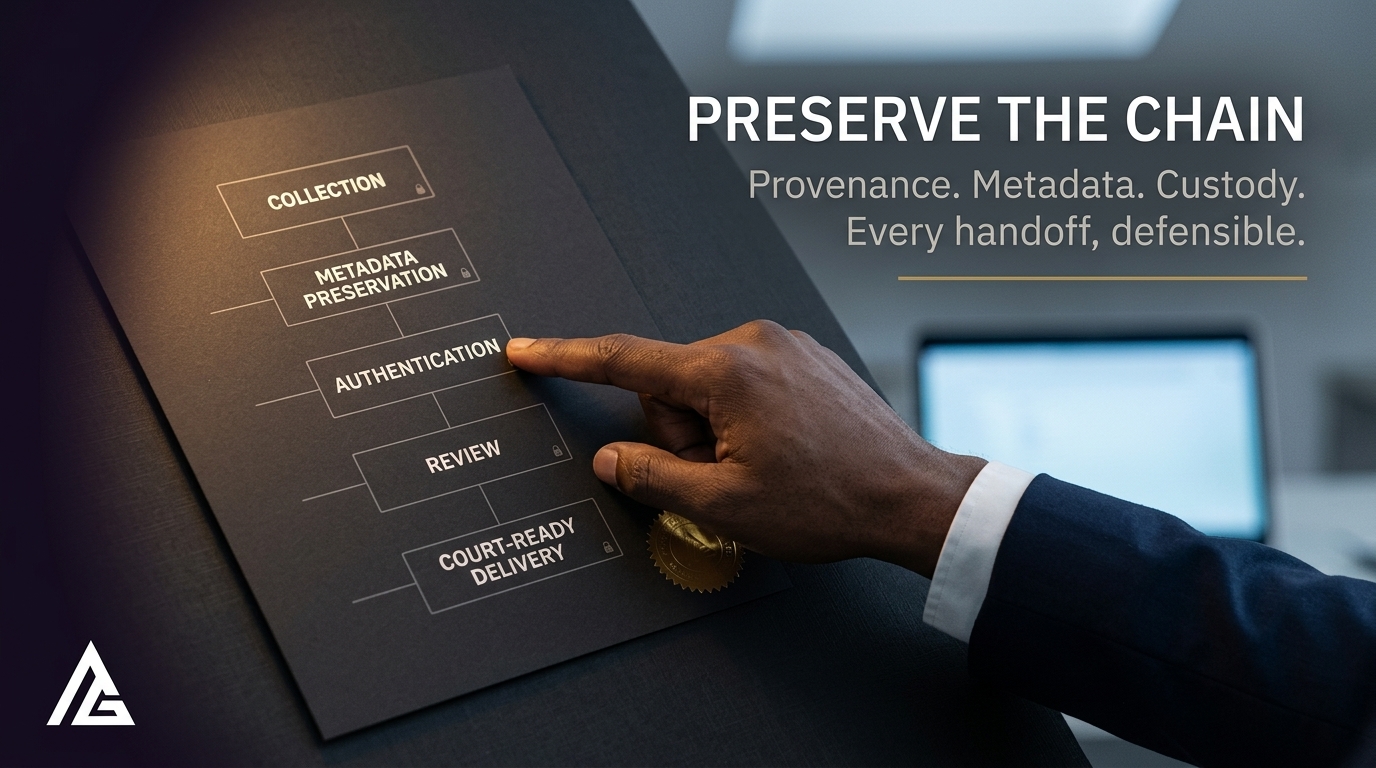
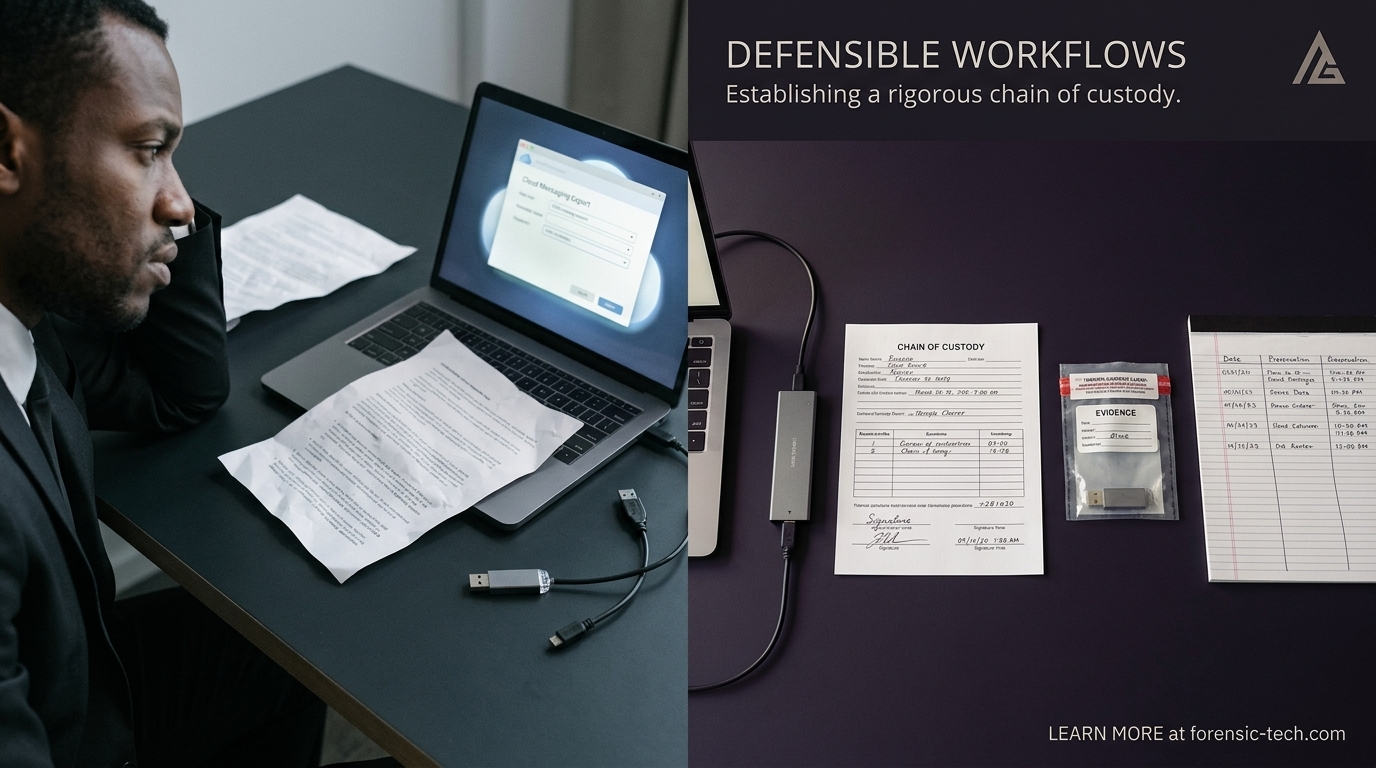
When managing evidence, keeping a clear chain of custody is critical. The chain of custody records every person who handled the evidence, ensuring it hasn't been altered. Without these records, evidence can become inadmissible in court. You need to document each step, from collection to storage. Use detailed logs that mark time, date, and the handler's identity. This documentation builds credibility and trust in your evidence.
Errors in the chain of custody can lead to disputes. Missteps like incomplete logs or unverified transfers raise questions about the evidence's authenticity. Properly maintaining these records helps prevent challenges that could derail your case.
Forensically Sound Collection Methods
To ensure evidence remains untainted, use forensically sound collection methods. This process preserves data integrity during collection. Techniques like write-blocking prevent modification of original data. It’s essential to collect data in a manner that leaves no room for doubt about its authenticity.
Inadequate methods risk altering or losing data, which compromises case credibility. Forensic imaging, for instance, creates a bit-by-bit copy of data, preserving all original details. By adhering to these practices, your evidence remains reliable and defensible.
Common Points of Evidence Failure
Understanding where evidence integrity often falters can help you avoid costly mistakes. Let’s explore some common pitfalls in evidence handling.
Avoiding Spoliation Risks
Spoliation occurs when evidence is destroyed or altered. This can happen unintentionally during handling. To prevent this, implement strict protocols and train your team on best practices. Ensure everyone understands the consequences of mishandling evidence.
Spoliation can lead to sanctions or case dismissals. By following a preservation protocol, you safeguard against these risks. Keep evidence intact by handling it with care and documenting every action taken.
Maintaining Metadata Integrity
Metadata holds critical information about digital files. Preserving this data is crucial, as it can reveal the history and origin of files. Without intact metadata, key evidence might lose its contextual value.
Manipulating or losing metadata can lead to questions about the evidence's legitimacy. Use hash verification to ensure metadata remains unaltered, providing a reliable trail of digital activity. This practice supports the authenticity of your findings.
Ensuring Defensible Analysis
To achieve a credible analysis, start with reliable evidence. Here’s how to maintain this integrity throughout the investigative process.
Role of Acquisition Logs and Hash Verification
Acquisition logs track the process of gathering evidence. They provide a detailed account that supports your analysis. Using hash verification, such as a SHA-256 hash, confirms that data hasn’t changed since collection. These tools fortify the credibility of your evidence.
Having acquisition logs and hash verification in place reassures stakeholders of the evidence's authenticity. It’s a powerful way to demonstrate that your analysis stems from unaltered data.
The Necessity of Audit-Ready Documentation
Audit-ready documentation is a cornerstone of defensible analysis. Comprehensive records ensure your evidence withstands scrutiny from auditors or legal challenges. Keeping thorough logs, from collection to analysis, protects your case from disputes.
Documentation should be clear and precise, detailing every step in handling and analyzing evidence. By being prepared for audits, you show that your methods are transparent and reliable.
Frequently Asked Questions
What is a chain of custody in digital forensics? A chain of custody is a documented process that tracks the handling of evidence from collection to presentation in court. It ensures that the evidence has not been altered.
How do you maintain metadata integrity? Metadata integrity is maintained by using hash verification methods that ensure the data hasn't been modified. This process preserves the original context and authenticity of digital evidence.
Why is audit-ready documentation important? Audit-ready documentation provides a clear, detailed account of how evidence is handled and analyzed. This transparency is crucial for ensuring that evidence can withstand legal and regulatory scrutiny.
Comments