Defensible Cloud Messaging Collections: Provenance and Chain of Custody End to End

Cloud messaging evidence often arrives under tight deadlines, yet its value hinges on flawless provenance and chain of custody. Without clear documentation of every export setting and handoff, your collection risks falling apart under legal scrutiny. This guide walks you through the precise steps to preserve metadata authenticity and build an audit trail that holds up in court. Follow this checklist to turn urgent cloud messaging pulls into defensible, review-ready evidence. For more information, consider checking this practical checklist for law firms.
Importance of Defensible Cloud Evidence
Creating a reliable cloud messaging collection is crucial for maintaining integrity in legal proceedings. This section highlights the challenges and solutions related to this process.
Pressure of Quick Evidence Production
Legal teams often face tight deadlines when collecting cloud messaging evidence. You might feel the urgency to produce results quickly. However, rushing can lead to mistakes. Each step requires careful attention to detail to ensure evidence remains intact and credible. The speed at which you gather evidence can impact its admissibility in court. To navigate these time pressures, you need a strategic approach.
Risks in Handoff and Export Settings
Export settings and handoffs are critical moments in evidence collection. If not handled properly, these can create vulnerabilities. Missteps can lead to data loss or inconsistencies in the evidence. Each handoff must be documented meticulously. Export settings should be configured to prevent data corruption or loss. This meticulous approach ensures that the evidence remains untampered with and reliable.
Ensuring Traceable Cloud Messaging Collections
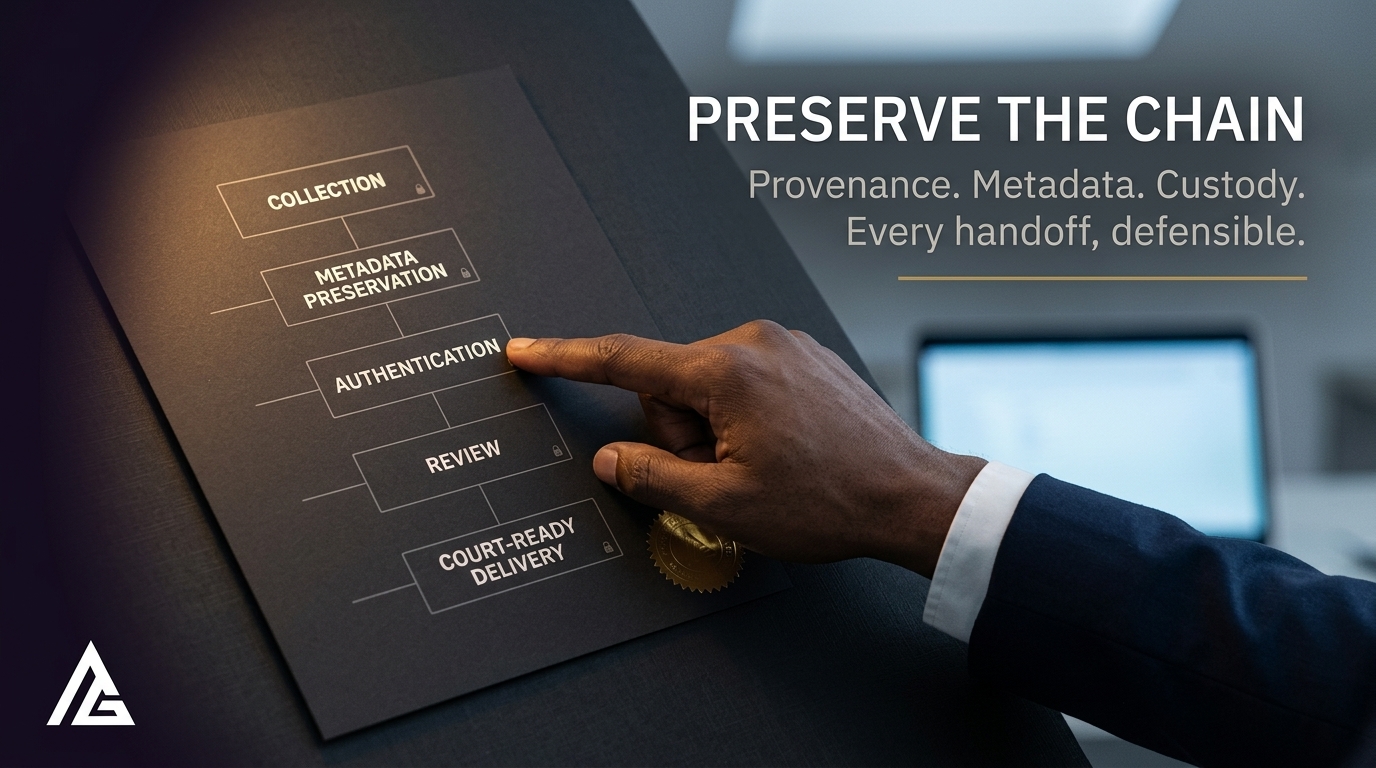
For your evidence to be defensible, it must be traceable from start to finish. Building a clear path from collection to presentation minimizes the risks of disputes. Every action taken during the collection process needs a record. This traceability builds trust and clarity in legal settings. Following a well-documented process strengthens the evidence's defensibility.
Steps to Preserve Evidentiary Integrity
Preserving the integrity of cloud messaging evidence involves understanding provenance, maintaining chain of custody, and handling metadata with care.
Provenance and Chain of Custody Essentials
Provenance refers to the history of the evidence, while the chain of custody tracks its handling. Both are essential for evidentiary integrity. You should document every detail about how the evidence was collected, stored, and transferred. This documentation strengthens the evidence's legitimacy. Without it, the evidence could be challenged in court. A robust chain of custody ensures each step in the process is accounted for, reducing the risk of tampering.
Metadata Preservation and Hash Verification
Metadata provides crucial details about the evidence, such as timestamps and authorship. Preserving this data is vital. You can use hash verification to confirm that data has not been altered. Hashing creates a digital fingerprint for your data. Any change to the data will alter the hash, signaling tampering. By using hash verification, you ensure the authenticity of your evidence. This process is a cornerstone of maintaining evidentiary integrity.
Handling Legal Holds and Export Settings
Legal holds ensure that evidence is preserved for potential litigation. Proper handling of legal holds is necessary to avoid evidence spoliation. Export settings should be configured to maintain data integrity during transfers. By carefully managing legal holds, you ensure that evidence is available when needed. This attention to detail prevents data loss and ensures evidence remains intact throughout the legal process.
Tools for Litigation Readiness
To be ready for litigation, you need to use tools that help maintain an unbroken audit trail and ensure data authenticity.
Creating an Unbroken Audit Trail
An unbroken audit trail documents all actions taken with the evidence. This trail acts as a timeline, showing who accessed the data and what changes were made. By maintaining an audit trail, you create a clear history of the evidence. This transparency is crucial in legal settings. It ensures that all parties can trust the integrity of the evidence.
Ensuring Data Authenticity and Spoliation Risk Management
Data authenticity is about ensuring that data has not been altered. Spoliation refers to the destruction or alteration of evidence. By managing these risks, you ensure the evidence remains credible. Use tools that track changes and flag unauthorized access. This proactive approach protects the evidence from tampering. It also provides peace of mind that the data presented is accurate and trustworthy.
Mapping Metadata to Review Platforms
Mapping metadata correctly is essential for reviewing evidence on legal platforms. When metadata aligns with these platforms, it streamlines the review process. This alignment ensures that all relevant data is easily accessible and interpretable. By mapping metadata effectively, you enhance the efficiency of the legal review. This preparation ensures that evidence can be presented clearly and effectively in court.
Frequently Asked Questions
What is the importance of a chain of custody in cloud messaging evidence?
The chain of custody ensures that evidence is properly collected, stored, and transferred. It provides a documented history of the evidence, reducing the risk of tampering and ensuring credibility in court.
How can metadata preservation benefit the legal process?
Metadata offers critical information such as timestamps and authorship. Preserving this data helps verify the evidence's authenticity and supports a more efficient review process during legal proceedings.
Why is an audit trail necessary for evidence collection?
An audit trail provides a detailed record of all interactions with the evidence. It enhances transparency and accountability, ensuring that the evidence remains reliable and can withstand legal scrutiny.
What role does hash verification play in maintaining data integrity?
Hash verification creates a digital fingerprint of the data. Any alteration to the data changes the hash, signaling potential tampering. This helps maintain the evidence's authenticity throughout its lifecycle.
How do legal holds affect the evidence collection process?
Legal holds prevent the alteration or destruction of evidence, ensuring it remains available for litigation. Properly managing legal holds is crucial for maintaining evidentiary integrity and avoiding spoliation.
Comments