Preserve Provenance: A Defensible Chain of Custody from Collection to Court-Ready Delivery

Breaking the chain of custody even once can turn your digital evidence from trustworthy to questionable. When audit, litigation, and compliance pressures peak in autumn, small gaps in provenance or metadata preservation become your biggest risk. This post walks you through maintaining a defensible chain of custody from collection through court-ready delivery, ensuring your evidence holds up under scrutiny every step of the way. Learn more about digital evidence best practices.
The Importance of Chain of Custody
Understanding the chain of custody is crucial in maintaining the credibility of your digital evidence. Without it, your evidence could fall apart under legal scrutiny.
Understanding Provenance and Custody
Provenance refers to the history of an item: where it comes from and how it got to its current state. In digital forensics, understanding provenance means knowing every step your evidence has taken. You must track who accessed it, when, and how. This tracking ensures that your evidence remains authentic and trustworthy. Think of it like a story that needs to be understood and told. Each step in the chain adds a piece to that story. The more complete the story, the stronger your position in court or during an audit.
Risks of Broken Custody Chains
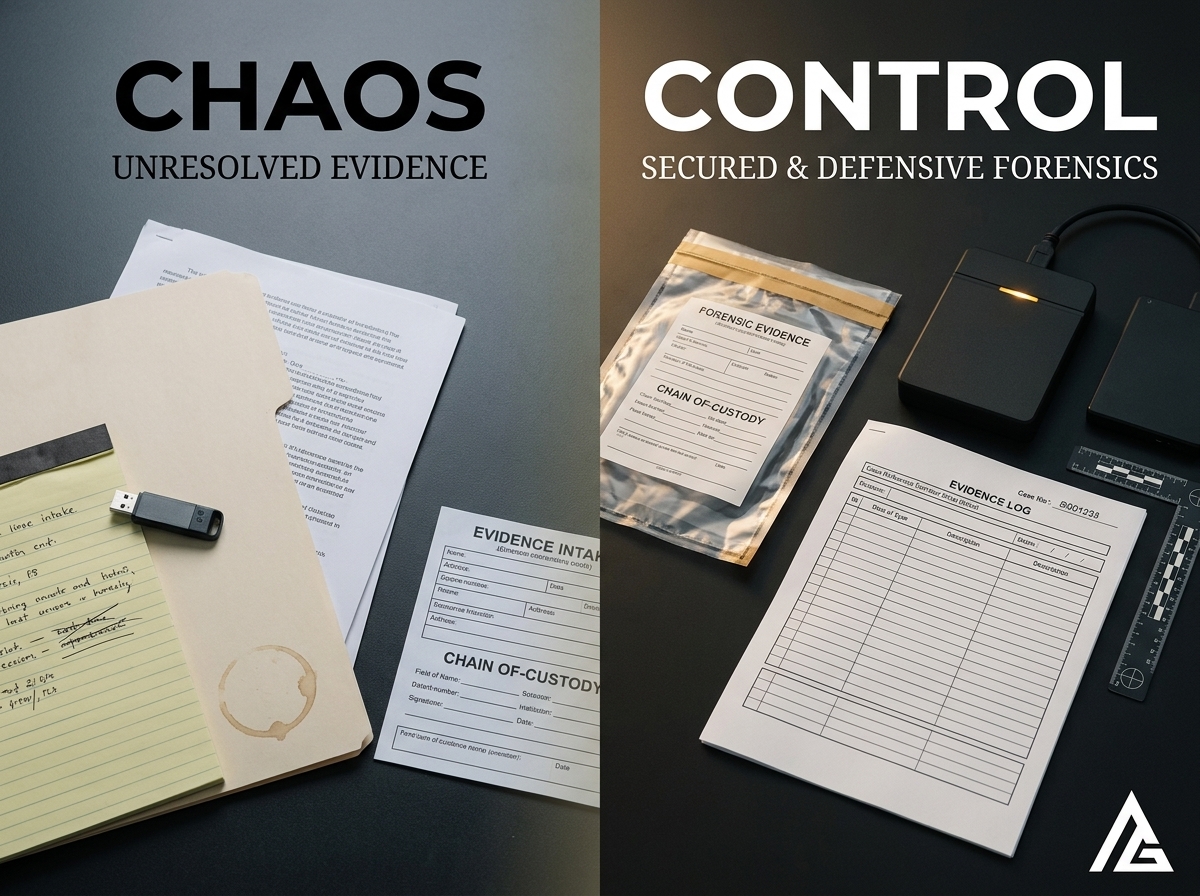
Breaking the chain of custody can lead to serious consequences. If the chain breaks, even once, the integrity of your evidence is questioned. This could result in evidence being thrown out or discounted. Imagine trying to piece together a puzzle with missing pieces. Any gap, no matter how small, can compromise the entire picture. In legal terms, this means your evidence might not hold up in court. Without a solid chain of custody, your case could be at risk. It's crucial to maintain continuous documentation and control over your evidence.
Ensuring Metadata Preservation
Metadata is like the DNA of your digital evidence, providing essential details that make it trustworthy. Preserving this information is key to maintaining its validity.
Key Role of Metadata in Evidence
Metadata contains important information about your digital evidence, such as creation dates, authorship, and modification history. This invisible layer holds the key to understanding and verifying the data's origin and integrity. When you collect digital evidence, the metadata helps build a clear picture of its journey. Without it, you may lose crucial context needed for your case. By preserving metadata, you ensure that your evidence retains its credibility and can withstand scrutiny in legal settings.
Steps for Effective Metadata Management
To manage metadata effectively, follow these steps:
Collect Metadata Early: Start gathering metadata as soon as evidence is collected. This includes timestamps, file origins, and user interactions.
Use Reliable Tools: Employ trusted software to capture and preserve metadata accurately. This helps maintain data integrity.
Document Changes: Keep a detailed log of any modifications or transfers. This ensures transparency and traceability.
Regular Audits: Periodically review and verify metadata to catch any discrepancies early on.
By following these steps, you can safeguard the integrity of your digital evidence, ensuring that it remains credible and court-ready.
Delivering Court-Ready Evidence
Your evidence collection process must be meticulous to ensure it stands up in court. Let's explore how to build a solid collection process and ensure secure evidence handling.
Building a Defensible Collection Process
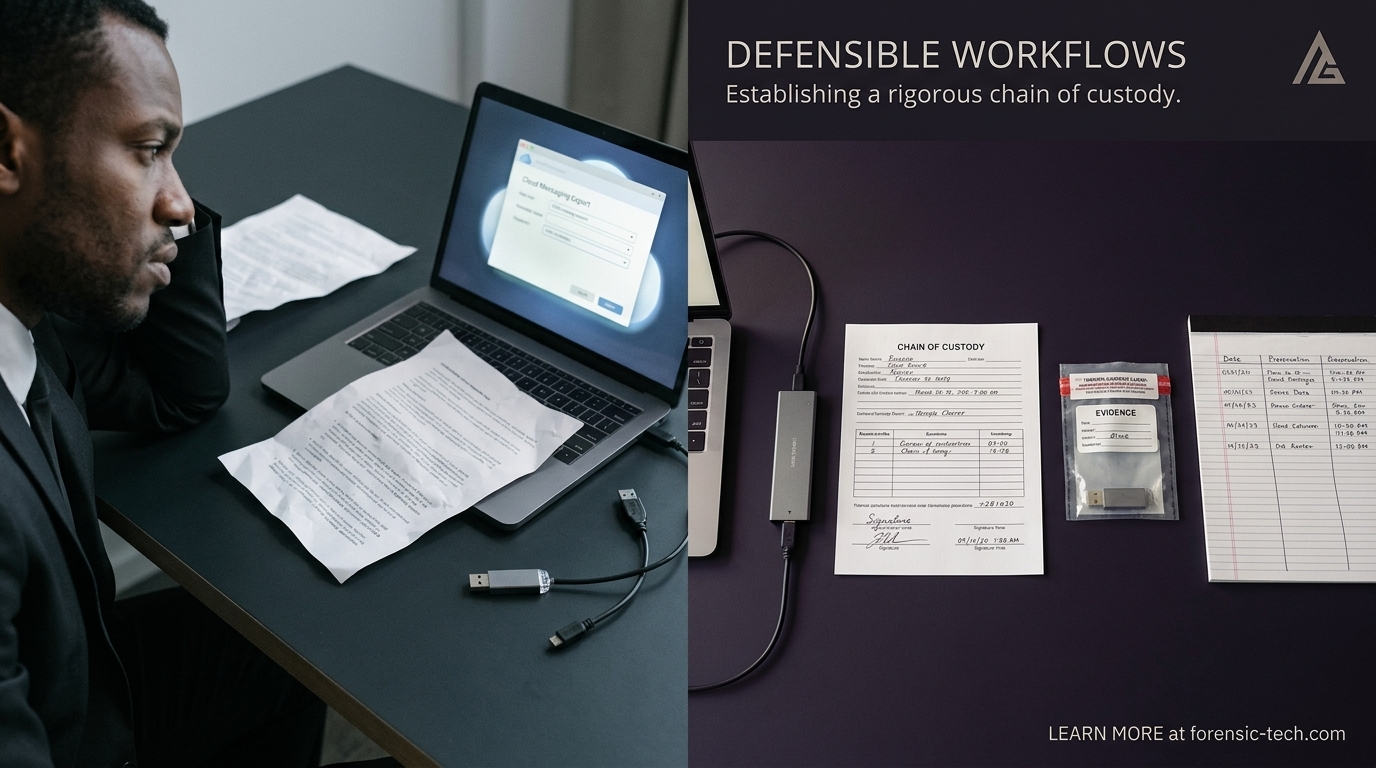
A defensible collection process starts with careful planning. Begin by identifying potential sources of evidence and determining the best methods to collect it. Use standard procedures and tools that ensure consistency and reliability. Document each step meticulously. This documentation serves as a roadmap, showing how evidence was collected, who handled it, and where it was stored. A well-documented process reduces the risk of errors and demonstrates that your evidence is trustworthy.
Secure Evidence Transfer and Storage
Securing evidence during transfer and storage is essential for maintaining its integrity. Use secure methods, such as encryption and tamper-proof seals, when moving evidence. Ensure that storage facilities are secure and access is controlled. Regularly check custody logs to confirm that only authorized personnel have handled the evidence. By securing evidence at every stage, you protect it from being compromised or questioned in court.
Frequently Asked Questions
What is the chain of custody in digital evidence?
The chain of custody refers to the documented process that tracks the handling, transfer, and storage of digital evidence. It ensures that evidence remains authentic and reliable for legal proceedings.
How does metadata affect digital evidence?
Metadata provides critical information about the origins and history of digital evidence. It helps verify the evidence's authenticity and is essential for maintaining its credibility in legal contexts.
Why is securing evidence during transfer important?
Secure transfer prevents unauthorized access or tampering with evidence. It maintains the integrity of the evidence, ensuring that it is credible and admissible in court.
What steps can I take to preserve the chain of custody?
To preserve the chain of custody, document each step of evidence handling, use secure storage and transfer methods, and limit access to authorized personnel only.
How often should custody logs be reviewed?
Custody logs should be reviewed regularly to ensure that evidence handling remains consistent and secure. This helps to identify any potential discrepancies or unauthorized access promptly.
By maintaining a strong chain of custody and preserving metadata, you safeguard your digital evidence, ensuring it remains credible and defensible under scrutiny.
Comments