Protect Admissibility: Document Metadata, Scope, and Chain of Custody from the First Move

Moving digital evidence fast can feel like walking a tightrope. Rushing the first step risks gaps in metadata, scope, or chain of custody that weaken your entire case. Documenting these details from the very first move creates a clear, verifiable record that stands up in court and cuts down costly disputes. Here’s how a disciplined first-move workflow sets your evidence on a defensible path from the start. For more insights on managing digital evidence, visit this resource.
Ensuring Evidence Admissibility
The way you document evidence from the start can make or break its admissibility in court. Let's dive into the essentials.
Importance of Metadata Documentation
Metadata tells the story of your evidence. It includes crucial details like date, time, and the origin of the data. By meticulously recording these elements, you create a solid foundation for your case. This practice prevents any challenges to the authenticity of the evidence and reduces the risk of exclusion in court. Inadequate documentation can lead to lost cases, so every piece of metadata counts. Focus on creating a comprehensive record from the very beginning, ensuring that each piece of data is accounted for and properly documented.
Defensible Collection Strategies
The strategy behind collecting digital evidence is pivotal. It ensures that the evidence remains intact and credible. You need to adopt methods that avoid altering or damaging the data. Techniques such as forensic imaging can help preserve the original state of your evidence. This discipline prevents any allegations of tampering. By employing defensible strategies, you maintain the integrity of your findings, making them reliable in legal proceedings. Remember, the goal is to collect data in its purest form.
Chain of Custody Essentials
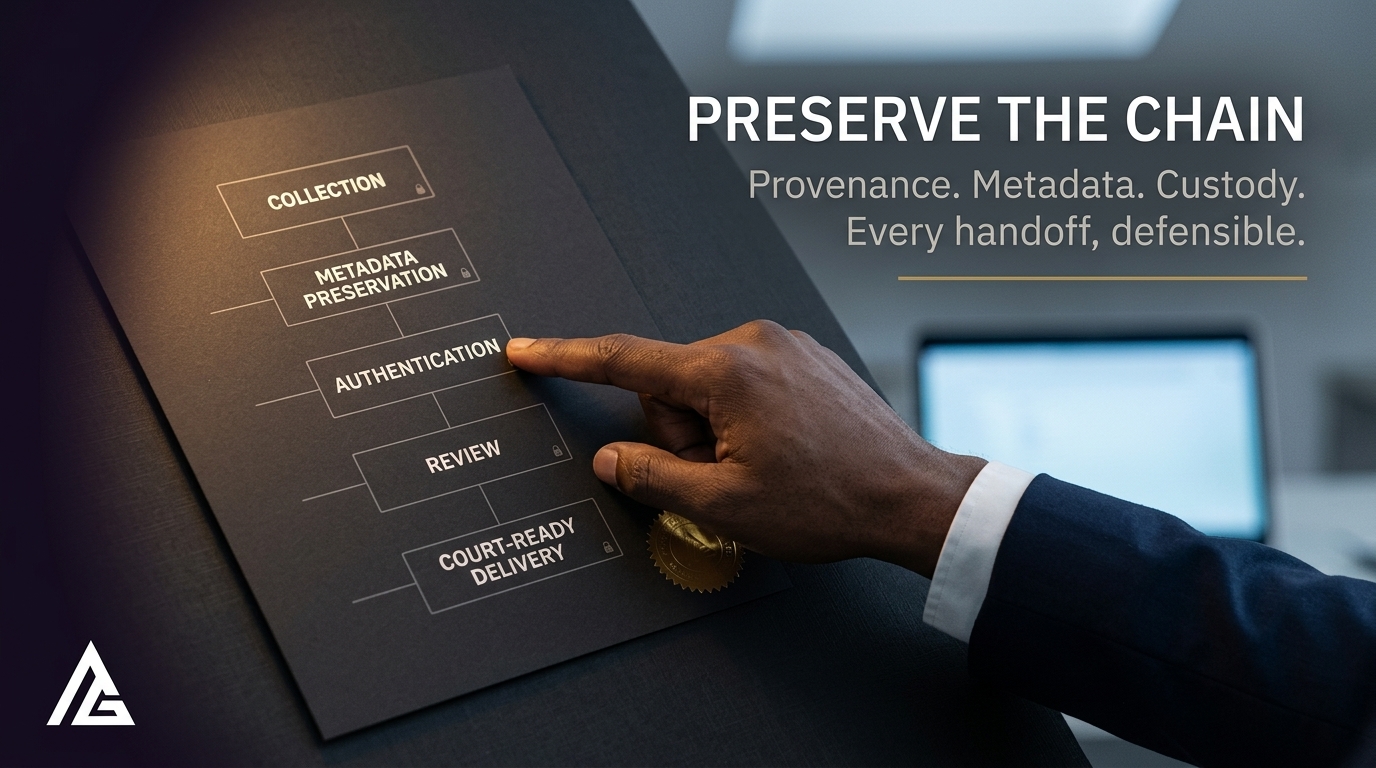
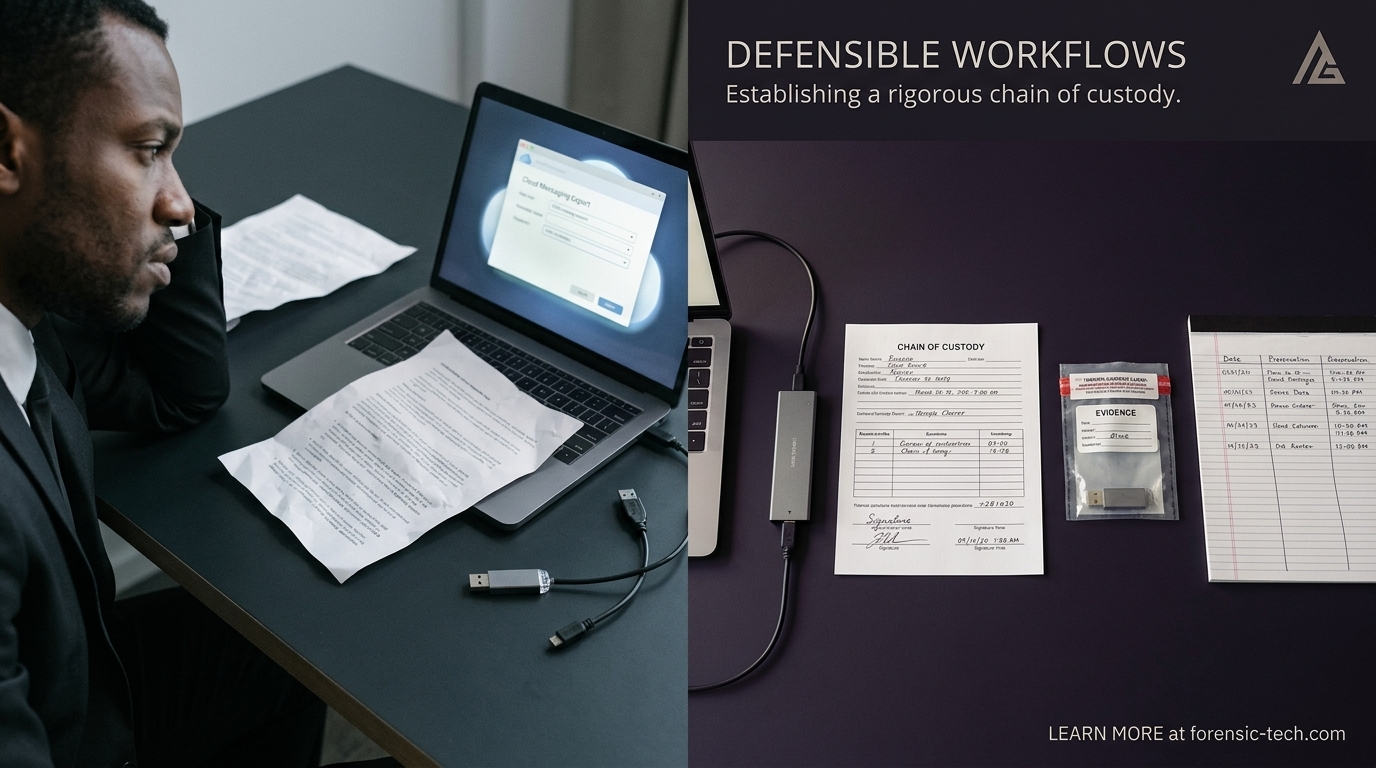
The chain of custody provides a trail of evidence handling—from collection to presentation in court. Each handoff should be meticulously documented to maintain its integrity. This record shows who accessed the evidence, when, and why, helping to prevent unauthorized access. A well-maintained chain of custody not only ensures compliance but also builds trust in your evidence. It is essential to track and record every movement and modification, as lapses can undermine your case.
First-Move Documentation Practices
Starting documentation practices from the first move ensures a seamless transition into admissible evidence.
Scope of Collection Definition
Defining the scope of your collection is crucial to your case's success. It involves deciding what data to collect and from where. A clear scope prevents data overload and ensures relevance. By establishing boundaries from the outset, you can focus on gathering pertinent information. This clarity reduces time spent on unnecessary data, streamlining your investigation process. Always map out your objectives to avoid veering off course.
Secure Transfer and Audit Trail
Transferring evidence securely is vital for maintaining its integrity. Using tamper-evident packaging and secure channels ensures that your data remains unchanged. An audit trail records all actions, providing transparency and traceability. This trail acts as a safeguard, preventing unauthorized modifications. By maintaining a detailed log, you ensure that every step is documented and verifiable. Remember, the security of your transfer methods is just as important as the evidence itself.
Utilizing Forensic Imaging and Hash Verification
Forensic imaging captures an exact replica of your evidence without altering it. This method secures the original data, allowing analysis on a copy. Hash verification, using algorithms like SHA-256, confirms data integrity. It generates a unique digital fingerprint for your data. Any changes to the evidence alter this hash, highlighting tampering. Incorporating these techniques strengthens your case by proving the data's authenticity and unaltered state.
Expert Support and Consultation
Leveraging expert knowledge can transform your approach to evidence handling.
Benefits of E-Discovery Consulting
E-discovery consultants offer specialized insights into evidence management. They guide you through complex legal requirements, optimizing your documentation process. With their help, you can navigate technical challenges with ease. These experts ensure that your methods adhere to legal standards, reducing the risk of error. Partnering with consultants empowers you to make informed decisions, ultimately enhancing your case's strength and credibility.
Role of Expert Witness Testimony
Expert witnesses provide authoritative insights in court, lending credibility to your findings. Their testimony can clarify technical aspects for judges and juries, bridging the gap between complex data and legal interpretations. By presenting clear, expert-backed explanations, they bolster your case's persuasiveness. Engaging an expert witness is a strategic move that can significantly impact the outcome of your litigation.
Scheduling a Confidential Consultation
A confidential consultation offers a tailored approach to your specific needs. It allows experts to evaluate your case and recommend best practices. This personalized guidance ensures that your evidence handling aligns with the highest standards. A consultation can identify potential pitfalls and suggest proactive measures. By investing in expert advice early, you secure a robust foundation for your case, reducing the risk of disputes and enhancing your litigation readiness.
Frequently Asked Questions
What is metadata in digital forensics?
Metadata is the hidden information that describes other data, such as the date and time of creation. It's crucial in digital forensics for verifying the authenticity and integrity of evidence.
Why is the chain of custody important?
The chain of custody tracks the evidence's handling history, ensuring it remains unaltered and admissible in court. It provides a transparent record that prevents unauthorized access or tampering.
How can forensic imaging aid evidence integrity?
Forensic imaging creates an exact copy of the digital evidence without altering the original. This technique preserves the data's integrity, allowing analysis on the copy and safeguarding the original.
What role do expert witnesses play in court?
Expert witnesses provide specialized knowledge and insights, explaining complex technical evidence to judges and juries. Their testimony can enhance the credibility and clarity of your case.
Why schedule a consultation with a digital forensics expert?
A consultation offers customized guidance on handling digital evidence, ensuring you meet legal standards and avoid potential pitfalls. It strengthens your case by aligning your practices with expert recommendations.
Comments