Android Forensics Tools for January Decisions: Preserve Metadata, Recover Context, Stay Defensible

January decisions often hinge on Android evidence that standard reviews overlook. Small details like app artifacts, timestamps, and deleted data hold critical clues that can shift outcomes. Using Android forensics tools that preserve metadata and recover hidden context ensures your findings remain defensible from the start. This guide offers a clear checklist to help you prioritize key artifacts and safeguard evidentiary integrity during the New Year rush. Learn more about mobile forensics and digital evidence recovery.
Prioritizing Key Android Artifacts
In the fast-paced environment of digital forensics, especially during the New Year rush, it's crucial to understand which Android artifacts demand immediate attention. These artifacts can include messaging app data, call logs, and location history. By focusing on these areas, you can ensure comprehensive Email Forensic Analysis and preserve critical digital evidence in a manner that supports defensible findings.
Metadata Preservation and Chain of Custody
Preserving metadata authenticity and maintaining a clear chain of custody are foundational in digital forensics. Tools like FTK Imager help in establishing this foundation by prioritizing preservation before interpretation. Explore how FTK Imager contributes to building a defensible digital evidence foundation.
The Importance of Recovering Hidden Context
To ensure your findings are robust and reliable, recovering hidden context such as deleted data is essential. Techniques like SQLite freelist and WAL parsing can reveal valuable information previously thought inaccessible. This approach is instrumental in making Mailtrack evidence court-ready, as discussed in Beyond the Green Check.
By equipping yourself with the right tools and knowledge, you can handle Android evidence effectively, preserving its integrity and supporting your case with confidence.
Choosing the Right Android Forensics Tools
In the realm of digital investigations, selecting the right tools is crucial. With a focus on preserving metadata integrity, analyzing timestamps, and ensuring defensible findings, you can handle Android evidence effectively.
Preserving Metadata Integrity
Preserving metadata is the cornerstone of any digital investigation. It helps maintain the authenticity and reliability of evidence. Tools like FTK Imager are instrumental in this process. They allow you to capture metadata accurately and ensure it remains untampered. Metadata includes critical details like file creation dates and modification history, which can be pivotal in legal contexts. Ensuring that this metadata is preserved correctly strengthens the evidence's credibility. When metadata is intact, it provides a solid basis for any further analysis or testimony. Thus, choosing tools that focus on metadata preservation is essential for maintaining evidentiary integrity.
Analyzing Timestamps and Chains
Timestamps often hold the key to understanding the sequence of events. Analyzing these can unravel the timeline of activity on a device. Tools like Magnet AXIOM and Oxygen Forensic Detective excel in this area. They provide detailed insights into when specific actions occurred, helping to establish or refute claims. Examining timestamp chains can reveal patterns or anomalies that may not be immediately apparent. This analysis helps draw a clearer picture of the events leading up to a critical incident. By leveraging these insights, you can make informed decisions and present a more compelling case.
Selecting Tools for Defensible Findings
For findings to be defensible, the tools used must be reliable and recognized. Industry-standard tools like Cellebrite UFED and Belkasoft X are excellent choices. These tools are widely accepted in legal settings, ensuring your findings are taken seriously. They offer comprehensive features that support thorough analysis and reporting. Using recognized tools enhances the credibility of your findings and supports expert witness testimony. By selecting the right tools, you ensure your evidence stands up to scrutiny in legal proceedings.
Key Android Artifacts to Examine
Identifying the right artifacts can significantly impact the outcome of an investigation. Key Android artifacts, such as messaging app data and location history, provide valuable insights.
Messaging App Artifacts
Messaging apps are treasure troves of information. They contain chats, attachments, and timestamps that can reveal communication patterns. Analyzing these artifacts can uncover hidden motives or relationships. Tools like Cellebrite UFED specialize in extracting this data with precision. By focusing on messaging app artifacts, you can piece together conversations and interactions that may be critical to your case. This data often holds clues that can confirm or challenge testimonies, making it a vital part of any investigation.
Location History and Usage Stats
Location history provides a detailed record of a device's movements. Analyzing this data can place a person at a specific location at a given time. Usage stats reveal how frequently apps are used, offering insights into behavior patterns. Tools equipped to parse location data and usage stats are invaluable. They help establish or refute alibis and uncover inconsistencies in statements. By examining this data, you gain a deeper understanding of the context surrounding events.
Deleted Data Recovery Techniques
Recovering deleted data can be a game-changer in digital investigations. Techniques like SQLite freelist parsing are effective in retrieving lost information. These methods can uncover data thought to be permanently erased, which may hold critical evidence. Employing tools that facilitate deleted data recovery is crucial. They ensure no stone is left unturned, enhancing the comprehensiveness of your findings. This capability is vital for building a strong, evidence-based case.
Implementing Effective Preservation Strategies
Preservation strategies are essential for maintaining the integrity of evidence. Full file system and logical acquisitions are key components of these strategies.
Full File System and Logical Acquisitions
Acquiring a full file system image captures all data on a device, providing a comprehensive view. Logical acquisitions focus on specific data types, offering a more targeted approach. Both methods have their place in digital investigations. Full file system acquisitions are ideal for thorough, in-depth analysis, while logical acquisitions offer efficiency for targeted needs. Using a combination of these approaches ensures you have the necessary data to support your findings.
Maintaining Chain of Custody
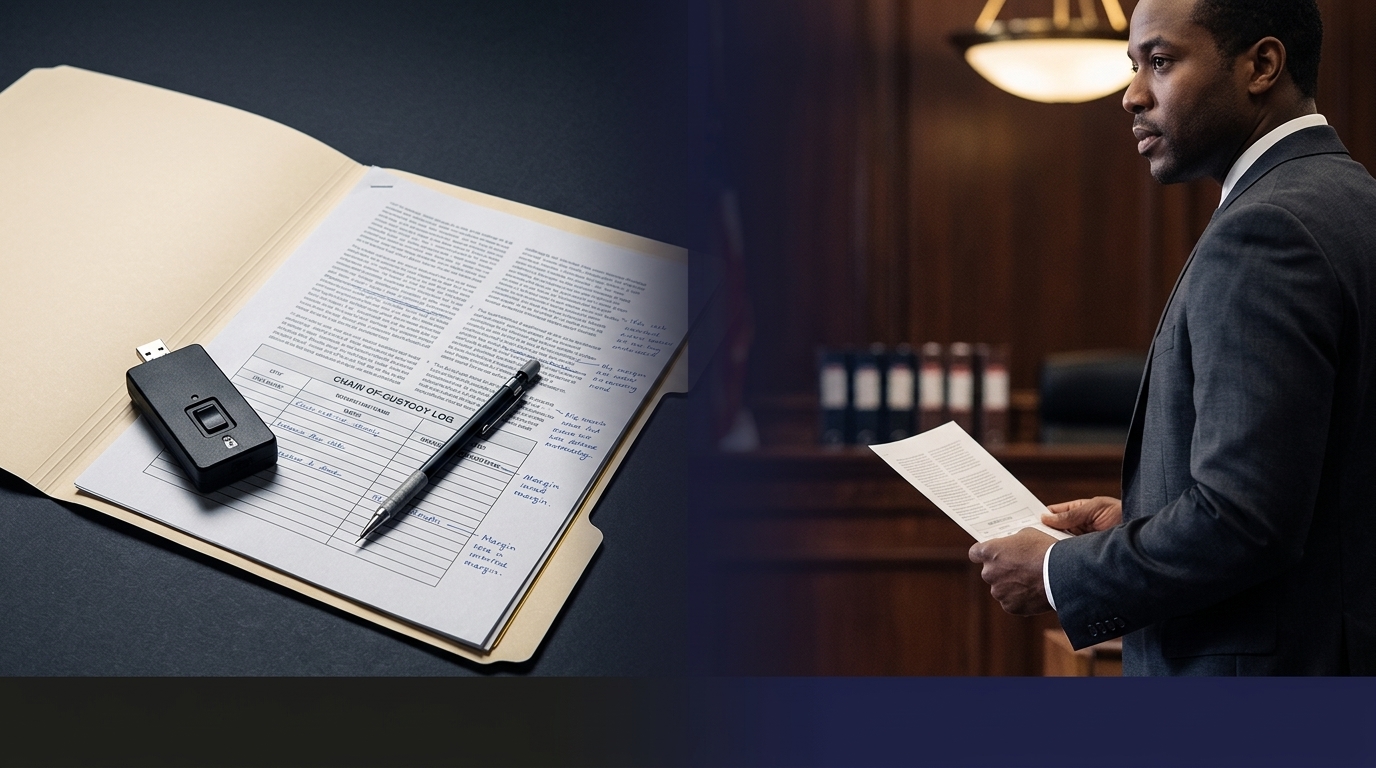
Maintaining a clear chain of custody is critical in legal proceedings. It documents who has handled the evidence and when, preventing any tampering claims. Proper documentation and secure storage are essential components of this process. Ensuring the chain of custody is preserved protects the integrity of the evidence. This practice is fundamental for upholding the credibility of your findings in court.
Expert Witness Testimony and Reporting
Expert witness testimony can make or break a case. Having a well-documented, thorough report is essential for supporting testimony. It provides a clear narrative of the evidence and the processes used to analyze it. Expert witnesses rely on this documentation to communicate findings effectively. A comprehensive report enhances the persuasiveness of testimony, helping to sway decisions in your favor.
Frequently Asked Questions
What are the best tools for Android forensics? Cellebrite UFED, Magnet AXIOM, and Oxygen Forensic Detective are among the top tools. They offer robust features for comprehensive analysis and are widely recognized in the industry.
How do you preserve metadata during an investigation? Using tools like FTK Imager ensures metadata is captured accurately and remains intact, maintaining the authenticity of the evidence.
What is the importance of analyzing timestamps? Timestamps help establish the timeline of events on a device. Analyzing them can uncover patterns crucial for understanding the context of an incident.
Why is deleted data recovery important in forensics? Recovering deleted data can reveal information thought lost, providing critical evidence that can influence the outcome of a case.
How do you maintain the chain of custody? Documenting every handling of the evidence and ensuring secure storage is key. This practice prevents tampering and upholds the evidence's credibility in legal proceedings.


Comments