Forensic Email Collector: Preserve Email Evidence Before the January Reset

Year-end cleanup often reshapes your email records before you even notice. When inboxes are cleaned, accounts migrate, or retention settings shift, critical evidence can vanish or lose context. Using forensic email collection provides a defensible record that preserves authenticity and metadata integrity through the January reset. This method safeguards your email evidence, so truth remains clear when legal or compliance scrutiny arrives. For a deeper understanding, see this article: Ensuring the Integrity of Digital Evidence: The Role of the Chain of Custody in Digital Forensics.
The January Reset Threat
At the beginning of the year, your email evidence can face significant threats due to routine system cleanups and migrations. This section explores the risks associated with these activities.
Email Evidence at Risk
During the January reset, many organizations face the risk of losing critical email evidence. When inboxes are cleaned or accounts migrated, essential emails can be deleted or misplaced, making them inaccessible when needed for legal or compliance purposes. This jeopardizes their ability to present accurate and complete email records during investigations or legal proceedings.
Consider how losing a single email could impact a case. It might seem minor, but that email could be the missing piece that provides the full context of a situation. Without it, understanding the entire narrative becomes challenging. That's why preserving email evidence before it vanishes is crucial, especially as the new year begins and routine tasks like inbox organization take place.
Routine Cleanup Challenges
Routine cleanup processes often include email deletion, migration, or archiving, which can inadvertently affect evidence preservation. These actions, while intended to streamline operations, can disrupt how emails are stored and accessed. In the worst-case scenario, valuable data is lost, leaving gaps in documentation.
Most people think regular cleanup is harmless. But when emails disappear, proving what transpired in a situation becomes nearly impossible. Employing preventive measures to safeguard emails during these times ensures that evidence remains intact and accessible for future needs.
Metadata Authenticity Concerns
Metadata plays a vital role in proving email authenticity. It includes details like timestamps and recipient information, which can verify an email's origin and integrity. However, during migrations or cleanups, metadata can be altered or lost, compromising the evidence's reliability.
Imagine presenting an email in court only to find its metadata was unintentionally changed. Such changes can cast doubt on its authenticity and weaken its credibility. Therefore, it's vital to maintain metadata integrity through a process that captures and preserves emails in their original state.
Introducing Forensic Email Collection
Forensic email collection is a powerful tool designed to address these challenges. It provides a method for preserving email evidence in a way that supports authenticity and defensibility.
What is Forensic Email Collection?
Forensic email collection is a process that captures and preserves emails with all associated metadata. It ensures that emails remain intact and unaltered, providing a reliable source of evidence for legal and compliance purposes. This method creates a defensible record that withstands scrutiny.
By using forensic tools, you can extract emails in their original format, including all metadata. This allows for accurate documentation of email transactions and interactions. It’s a safeguard against unintentional alterations that might occur during regular system maintenance and housekeeping, ensuring truth remains evident.
When to Deploy This Tool
Deploy this tool during routine cleanups, migrations, or any situation where email integrity might be compromised. It's particularly valuable at the start of the year when such activities are common. Initiating forensic collection before these tasks ensures that no data is lost or altered.
For organizations facing legal scrutiny, this tool is indispensable. It provides peace of mind knowing that email evidence is preserved accurately. When planning system updates or cleanups, incorporating forensic email collection can prevent potential issues down the line.
Key Details to Preserve
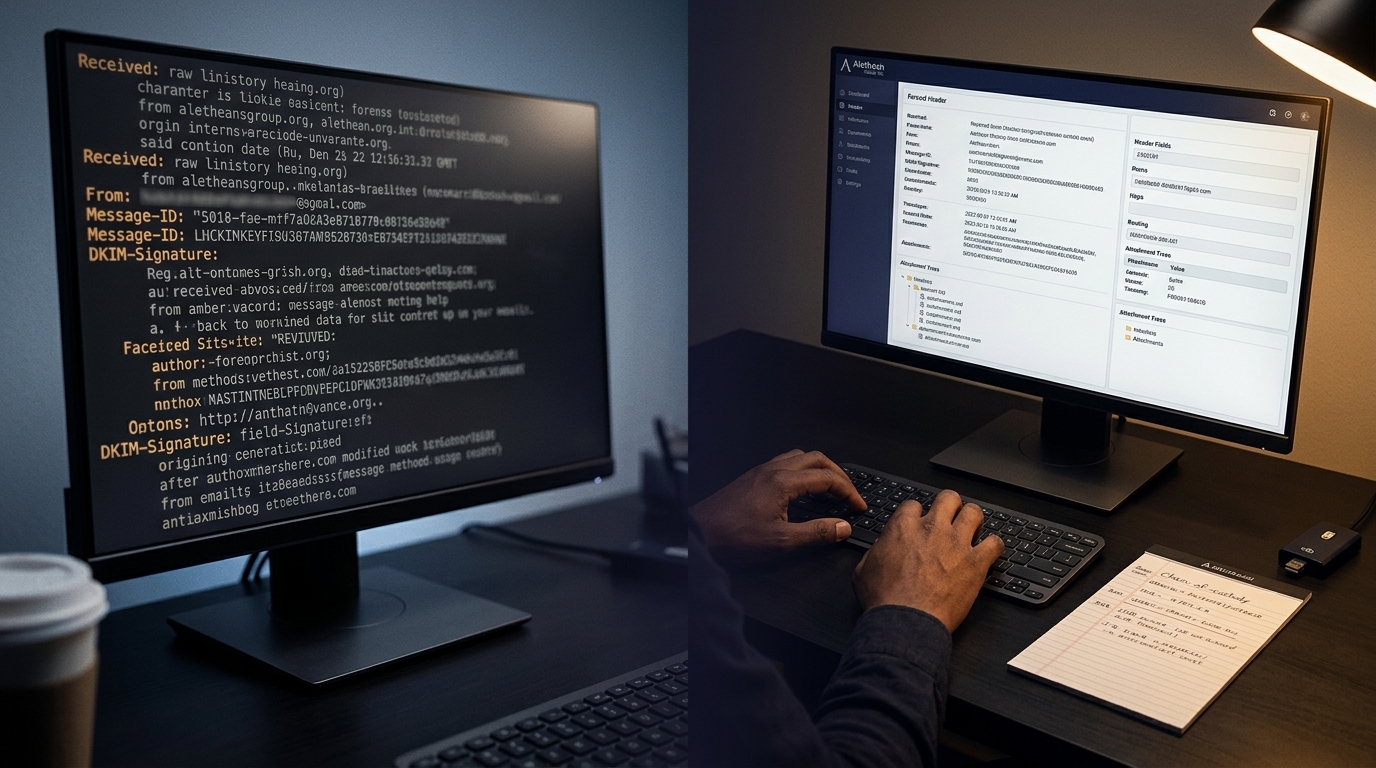
When employing forensic email collection, focus on preserving full email content, including attachments, headers, and metadata. These elements are crucial for establishing authenticity and context.
Email Headers: Maintain original headers to verify sender, recipient, and routing information.
Metadata: Preserve all metadata, such as timestamps, to validate the email's history.
Attachments: Ensure attachments are stored with their corresponding emails to maintain complete records.
By securing these details, you maintain a comprehensive and reliable email archive that can be referenced confidently in legal and compliance matters.
Ensuring Defensible Collection
Ensuring defensible collection means preserving email evidence in a way that supports its use in legal proceedings. This section discusses methods to maintain integrity throughout the process.
Protecting Metadata Integrity
To protect metadata integrity, employ tools that preserve email data in its original state. This involves capturing emails in their entirety, ensuring no alterations occur during collection. The use of cryptographic hashing can verify that no changes have been made post-collection.
By preserving metadata, you maintain the email's original context, which is crucial for proving its authenticity. This practice reinforces the reliability of the evidence and supports its defensibility in court.
Chain of Custody and Audit Trail
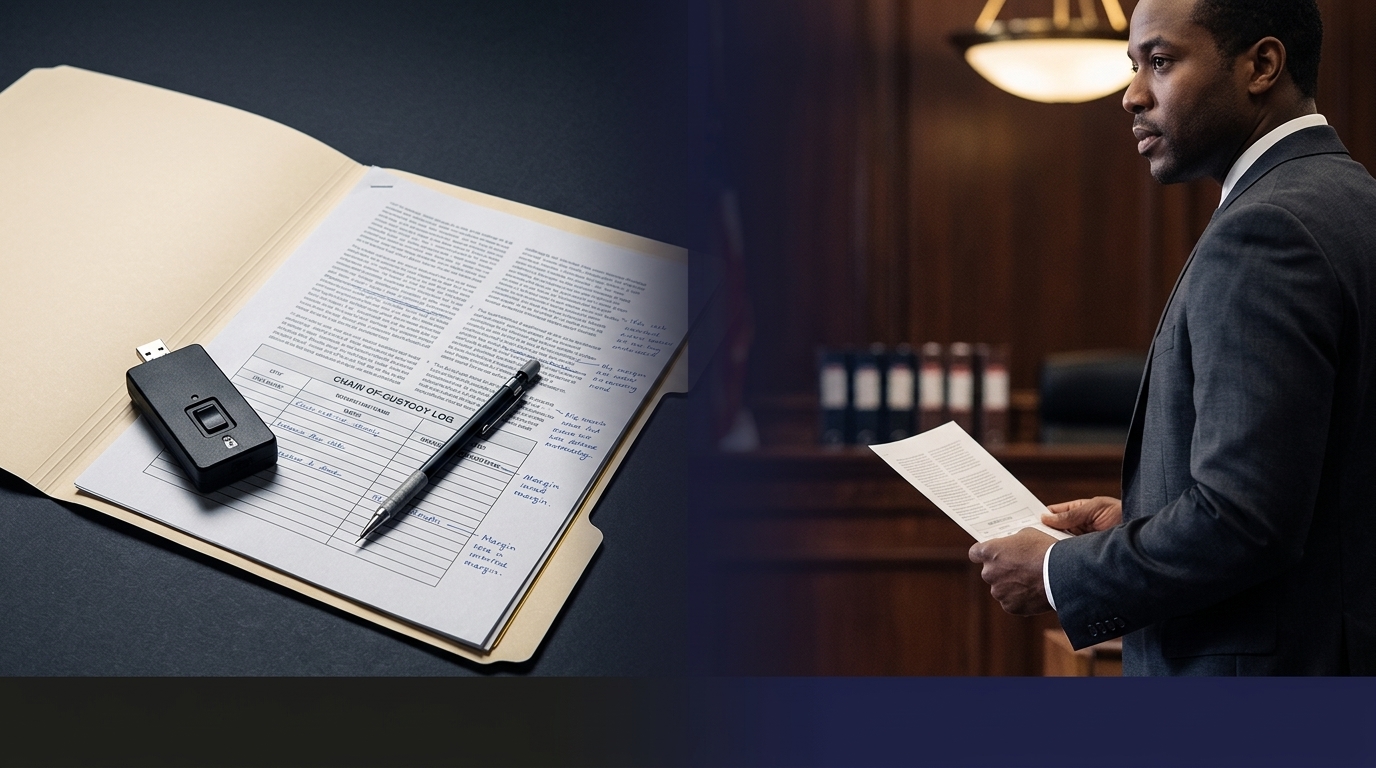
Establishing a chain of custody and maintaining an audit trail are essential for defensible email collection. A clear record of how evidence was handled, from collection to presentation, enhances its credibility.
Document every step taken during the collection process. This includes noting who accessed the emails, when they were collected, and any actions taken. A well-documented audit trail ensures transparency and accountability, which are vital for legal proceedings.
Expert Witness Testimony
Engaging an expert witness can provide added assurance of the collection's validity. Experts can testify to the methods used and the integrity of the preserved emails. Their testimony can strengthen the case by reinforcing the evidence's authenticity.
In complex cases, having an expert validate the collection process can make a significant difference. Their insights provide clarity and bolster the evidence's credibility, making it more likely to withstand legal challenges.
Frequently Asked Questions
What is forensic email collection?
Forensic email collection is a method of capturing and preserving emails, including all associated metadata, to create a defensible record for legal and compliance purposes.
When should forensic email collection be used?
It should be used during routine cleanups, migrations, or any situation where email integrity might be at risk, especially at the start of the year.
Why is metadata integrity important in email evidence?
Metadata integrity is crucial because it verifies an email's authenticity and provides essential context, supporting the evidence's reliability in legal proceedings.
How does a chain of custody support email evidence?
A chain of custody documents the handling of evidence from collection to presentation, ensuring transparency and accountability, which strengthen its credibility in court.
What role does expert witness testimony play in email evidence?
Expert witnesses can validate the collection process and testify to the evidence's integrity, reinforcing its authenticity and reliability in legal cases.

Comments