FTK Imager: Preservation Before Interpretation—Building a Defensible Digital Evidence Foundation

Preserving digital evidence starts the moment you access a device. Rushing that step risks losing critical metadata and breaks the chain of custody, leaving your case vulnerable. FTK Imager creates a verified forensic image that safeguards authenticity from the outset. This careful preservation builds the solid foundation every later decision, analysis, and testimony depends on. For a deeper understanding of how this process is mastered, you can refer to this guide on digital forensics with FTK Imager.
Establishing a Defensible Digital Foundation
Starting a digital evidence process on the right foot is crucial. At the heart of this foundation lies FTK Imager, an indispensable tool for any forensic workflow.
The Role of FTK Imager in Preservation
FTK Imager plays a vital role in capturing a complete and accurate image of digital evidence. It creates a snapshot of the data, ensuring nothing is missed. By using FTK Imager, you create a precise replica, maintaining all the data as it originally appeared. This step is your first line of defense in preserving evidence and safeguarding the integrity of your case. Learn more about the role of FTK Imager in digital forensics from an informative blog by Levelblue.
Importance of Metadata and Chain of Custody
Metadata, the unseen details of digital files, is key to preserving the authenticity of evidence. It provides crucial insights into the who, what, and when of digital interactions. Maintaining a clear chain of custody ensures evidence is handled correctly from start to finish. Any break can jeopardize your case. Keeping thorough records of everyone who accesses the data prevents questions about its integrity later.
Avoiding Common Collection Pitfalls
Rushing a collection can lead to errors that undermine your evidence. Common pitfalls include altering files accidentally or losing vital metadata. Avoid these mistakes by ensuring your team is well-trained and takes a methodical approach. Proper documentation and using proven tools like FTK Imager help prevent these issues, providing a robust start to your investigation.
Elements of a Defensible Forensic Workflow
Building a defensible workflow requires meticulous attention to detail, starting with preserving metadata.
Ensuring Metadata Preservation with Hash Verification
Hash verification ensures the data hasn't changed from its original state. Using algorithms like MD5 or SHA-256 confirms that every bit of data is identical to its source. This process acts as a digital fingerprint, reassuring you of the data's authenticity and integrity. Without it, any alterations might compromise your case.
Utilizing Write Blockers for Accurate Imaging
Write blockers are vital in forensic imaging. They prevent any changes to the original media during data acquisition. By blocking write access, they ensure the source device remains untouched. This step is crucial for maintaining the original state of the evidence, allowing you to work freely without risk of alteration. For a deeper dive, explore this article on digital forensics.
Maintaining Comprehensive Chain of Custody Documentation
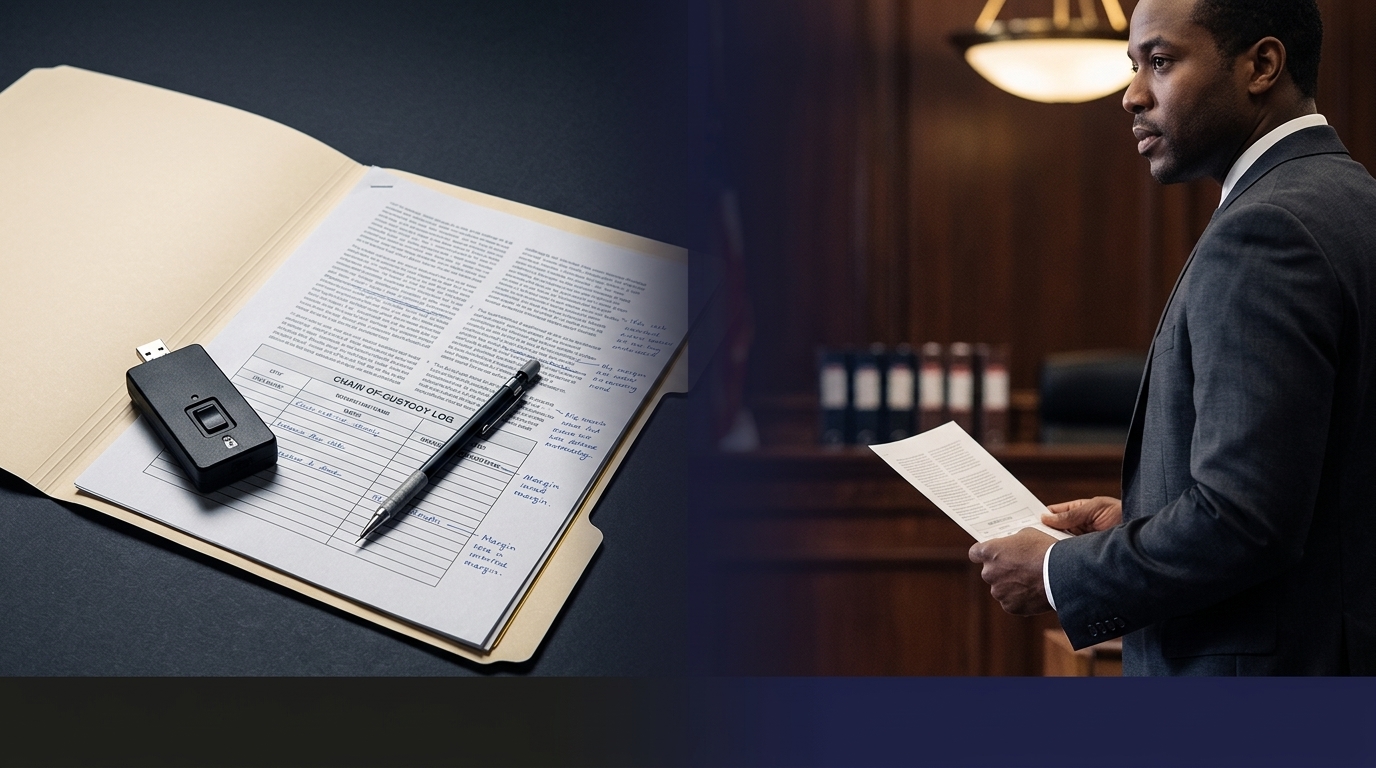
Documenting the chain of custody is more than just good practice—it's essential. Each transfer of evidence should be recorded meticulously, noting who handled it and when. This transparency builds trust in the evidence's integrity, which is pivotal during legal proceedings. Without thorough documentation, the evidence's reliability can be questioned.
Building Confidence in Digital Evidence Processes
Confidence in digital evidence stems from solid practices and expert guidance throughout the process.
Expert Testimony and Legal Defensibility
Expert testimony relies heavily on the integrity of the evidence. By ensuring thorough and accurate preservation, your evidence becomes defensible in court. Experts can then testify with confidence, knowing the data is untainted. This credibility is crucial in building a strong case.
The Impact of EDiscovery Preservation Practices
eDiscovery demands precision. Proper preservation practices ensure that all electronic evidence is collected and maintained correctly. This impacts the reliability of the evidence during litigation. Effective eDiscovery practices reduce risk and build trust in the evidence presented.
Preparing for Pre-Collection Consultations
Pre-collection consultations are vital in planning your approach. By consulting experts beforehand, you can navigate potential challenges and set clear protocols. This preparation reduces the risk of errors during the collection process, ensuring a smoother workflow and stronger results.
Frequently Asked Questions
What is FTK Imager used for?
FTK Imager is a tool used to create forensic images of digital data. It captures an exact replica of the original data, preserving all its metadata, crucial for any forensic investigation.
Why is metadata important in digital forensics?
Metadata provides essential details about a file, such as its origin and modifications. In digital forensics, it helps establish the authenticity and integrity of digital evidence.
How does a write blocker work?
A write blocker prevents any changes to the original data during acquisition. It ensures the source remains untouched, allowing for accurate forensic imaging.
What is hash verification?
Hash verification uses algorithms to confirm that data hasn't changed from its original state. It provides a digital fingerprint, ensuring the data's authenticity.
Why is a chain of custody important?
A chain of custody documents the handling of evidence from collection to presentation in court. It ensures the evidence's integrity and authenticity, preventing doubts over its reliability.


Comments