Beyond the Report: Choose Expert Witnesses Who Defend Their Analysis Under Scrutiny

Most expert witnesses focus on showcasing technical skill. But when your case faces tight scrutiny, that’s not enough. You need a digital forensics expert witness who can defend their analysis under scrutiny—explaining chain of custody, metadata preservation, and forensic methodology with clarity and confidence. This post reveals how to choose experts whose work stands firm in depositions, motions, and compliance reviews, protecting your case when stakes run highest. For more information, you can visit this link.
The Misstep in Expert Selection
Choosing an expert witness is more than just finding technical skill. It's about selecting someone who can defend their analysis when it matters most.
Technical Skill vs. Defensible Analysis
Technical skill is essential, but defensible analysis is what stands in court. Reports that are clear and precise often mean the difference between winning and losing. You want an expert who can explain their methods plainly. This clarity ensures your case is understood by everyone involved, from judges to jurors.
Statistics show that cases with clear expert analysis have a higher chance of success. The key is not just in what is found, but in how findings are presented. A strong, defensible analysis turns technical data into a compelling narrative.
The Role of Chain of Custody
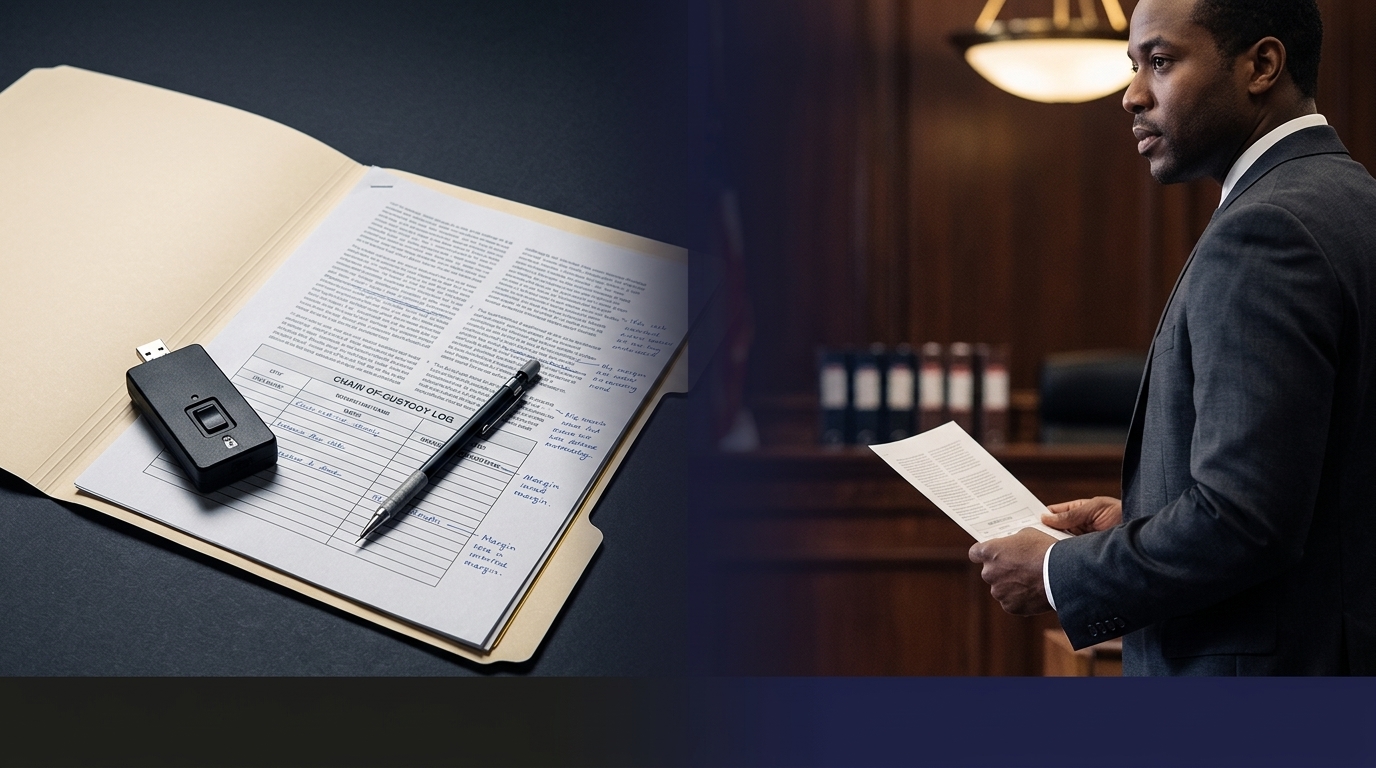
Chain of custody is critical in digital forensics. It ensures that evidence is handled correctly from collection to courtroom. Any misstep here can jeopardize a case. You need an expert who can maintain a clear, documented process.
Proper chain of custody acts as a safeguard. It protects the integrity of the evidence and makes sure that everything is accounted for. This meticulous process is what courts rely on to trust the evidence presented.
Importance of Metadata Preservation
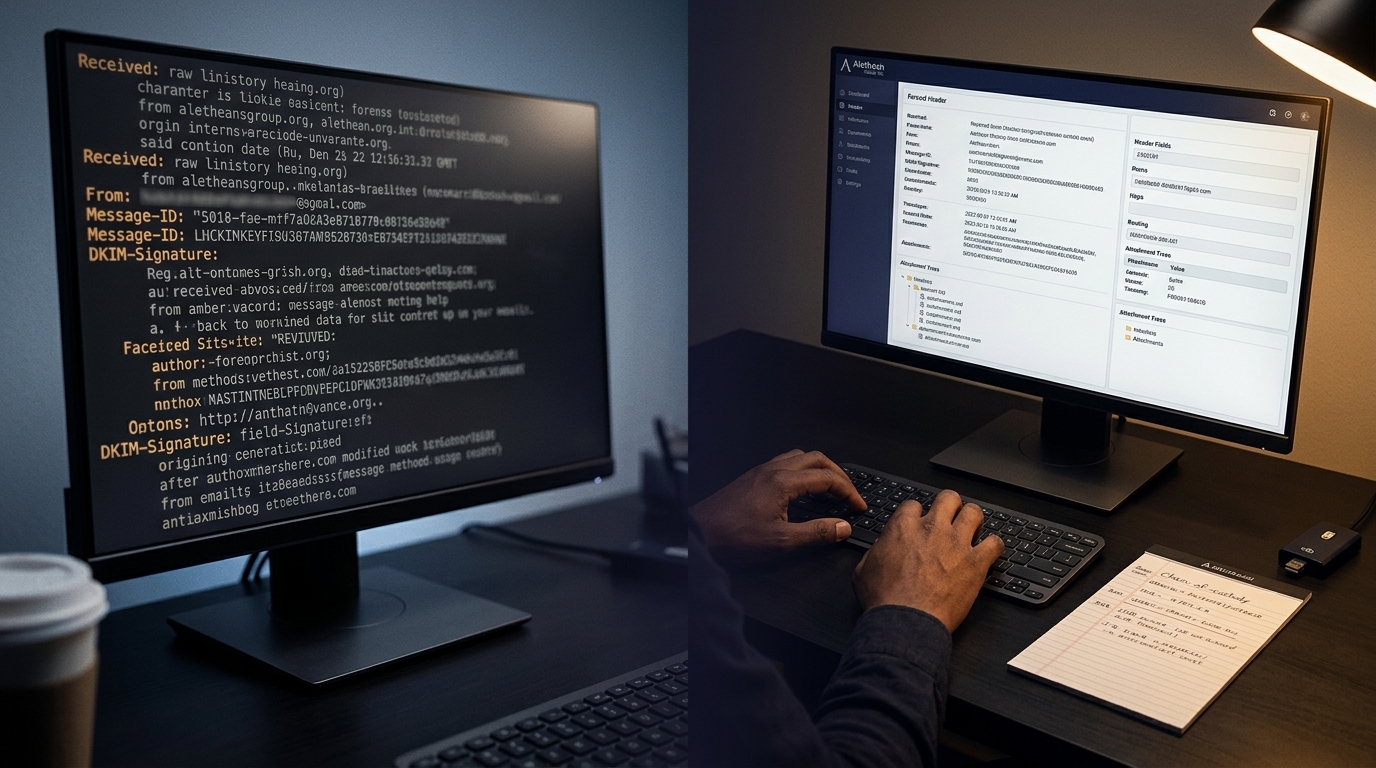
Metadata holds vital clues. Preserving it correctly helps prove the authenticity and origin of digital evidence. Mismanagement of metadata can ruin a case.
Effective preservation protocols are a must. They protect the data's integrity and ensure that all information is available for analysis. An expert who understands this process will strengthen your legal position.
Behind the Scenes at Alethean
Alethean Group prepares experts not just to analyze, but to defend their findings in court. This behind-the-scenes work is what sets them apart.
Preparing for Deposition Preparation
Depositions are a crucial part of the legal process. Experts need to be ready to defend their analyses under tough questioning. Preparing for these moments ensures they are confident and clear.
At Alethean, experts undergo rigorous preparation. They practice how to present their findings effectively, ensuring they can withstand any scrutiny. This preparation helps build a strong case.
Mock Cross-Examination Insights
Mock cross-examinations are invaluable. They simulate the high-pressure environment of a courtroom, allowing experts to practice their responses.
These exercises teach experts to stay calm and composed. They learn to handle tough questions and to explain their methods clearly. This practice prepares them to face real courtroom challenges.
Forensic Methodology and Courtroom Testing
Forensic methodology must be tested to ensure reliability. Alethean Group puts methods through rigorous testing to ensure they stand up in court.
Courtroom-tested methodologies provide peace of mind. They show that the expert's analysis is not only accurate but also credible and reliable. This reliability is crucial in making a strong legal argument.
Choosing the Right Expert Witness
Selecting the right expert witness involves understanding legal standards and ensuring compliance with them.
Understanding the Daubert Challenge
The Daubert Challenge is a test for the admissibility of expert testimony. It requires that the expert's methods are scientifically valid and applicable to the case.
Experts must be prepared to show that their analysis meets these standards. This ensures that their testimony is credible and admissible in court.
Navigating the Frye Standard
The Frye Standard focuses on whether an expert's methods are generally accepted by the scientific community. This standard requires thorough knowledge and clear presentation of methods.
Experts who understand this standard can present their findings effectively. They can demonstrate that their methods are accepted, which helps in gaining the court's trust.
Ensuring Data Integrity and Compliance
Data integrity is crucial in legal cases. Experts must ensure that all data is handled correctly and complies with legal standards.
Ensuring compliance protects the data's integrity and strengthens the case. Experts who focus on this aspect can provide reliable testimony that supports the legal process.
Frequently Asked Questions
What is the difference between technical skill and defensible analysis?
Technical skill involves the capability to perform forensic analysis. Defensible analysis, however, means presenting findings clearly and effectively in court, ensuring they withstand scrutiny.
Why is chain of custody important in digital forensics?
Chain of custody ensures evidence is handled properly from collection to courtroom. It is crucial for maintaining evidence integrity and credibility.
How does Alethean Group prepare experts for court?
Alethean Group uses rigorous preparation, including mock cross-examinations and courtroom testing, ensuring experts are ready to defend their findings under pressure.
What are the Daubert and Frye standards?
The Daubert Challenge assesses the scientific validity of expert testimony, while the Frye Standard checks if the methods are widely accepted. Both are crucial for admissibility in court.
How can I ensure the integrity of digital evidence?
Proper chain of custody and metadata preservation are key. Experts should use tested methodologies to maintain and present evidence reliably.

Comments