First Response, First Record: Cybersecurity Consulting for Legal Defensibility

When a cyber incident hits, the first few hours shape the entire legal record. You’re under pressure to act fast during peak business times, yet every choice about containment and documentation matters for legal defensibility. At Alethean Group, we guide you through the first response step with forensic discipline, so you can protect operations while preserving evidence that stands up to scrutiny.
Cybersecurity's Legal Edge
First Response Step Importance
In the immediate aftermath of a cyber incident, the first response step is crucial. These initial actions set the tone for how the incident will be documented and evaluated in the future. Legal defensibility hinges on how well you manage these moments. You must act swiftly but with precision, ensuring that every step you take is recorded accurately and responsibly. This approach not only helps in containing the threat but also in safeguarding the integrity of evidence that might be needed later.
Balancing Speed and Legal Defensibility
You might feel that speed is the only priority when a breach occurs. However, maintaining a balance between rapid action and legal defensibility is key. By prioritizing careful documentation and evidence preservation alongside quick containment, you ensure that your operations can continue with minimal disruption. This balance allows you to maintain control over the situation while preparing for any potential legal scrutiny that may follow.
Preserving Evidence Under Pressure
The pressure to resolve a cyber crisis quickly can lead to overlooked details. Yet, preserving evidence should not be compromised. By establishing clear protocols and using forensic discipline, you can manage the incident while keeping a clear trail of evidence. This record supports any future legal or regulatory assessments and strengthens your standing in potential disputes.
Documenting the Incident
Metadata Integrity and Chain of Custody
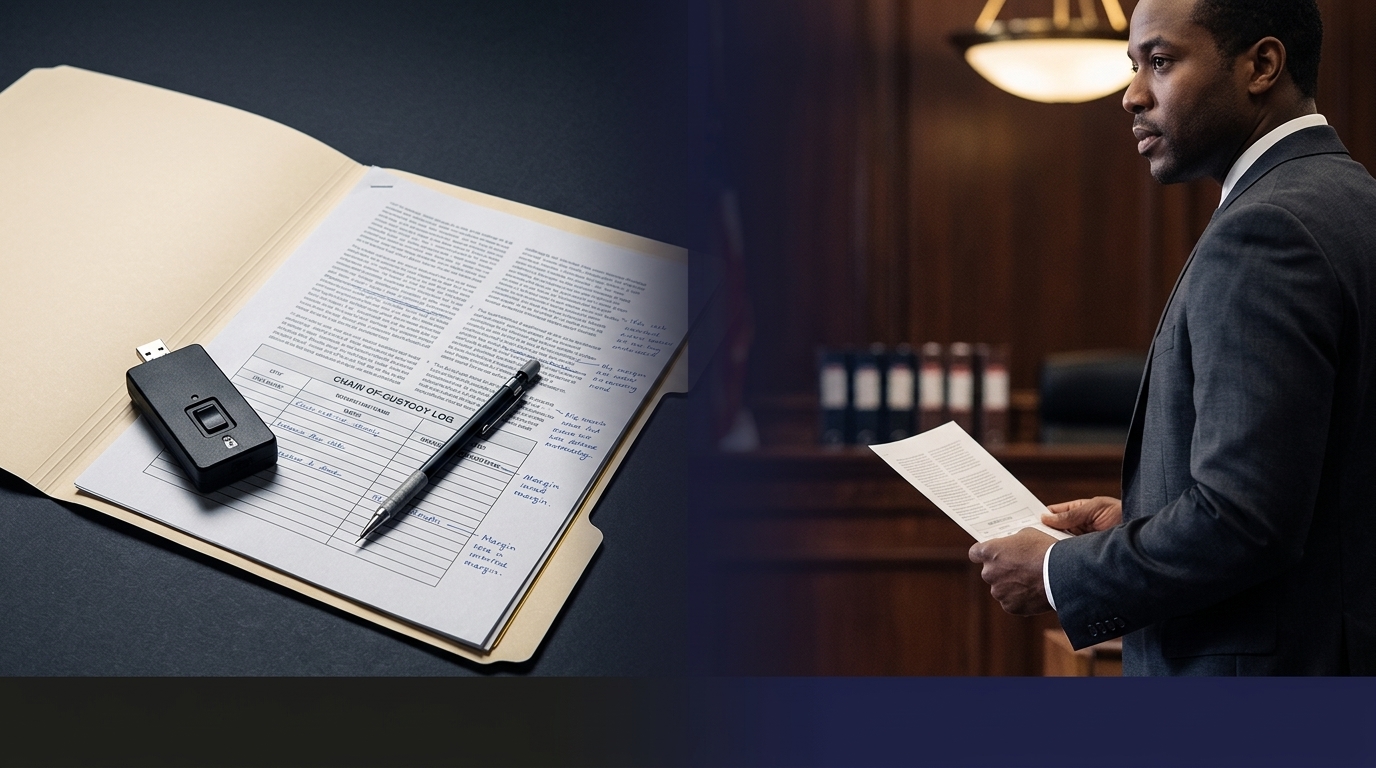
Keeping metadata intact is essential when documenting a cyber incident. It serves as a digital fingerprint, providing important clues about the breach. Ensuring the chain of custody means that this information remains untampered, making it admissible in a court of law. Following best practices in metadata handling can make all the difference when it comes to legal defensibility.
Documentation Protocols and Forensic Readiness
Proper documentation protocols enable you to act with confidence during a crisis. Being prepared with forensic readiness ensures that your team knows exactly what to do and record at each step. This readiness reduces the risk of evidence mishandling and reinforces the strength of your defense against potential allegations or regulatory penalties.
Admissible Digital Evidence Practices
For evidence to be admissible, it must be collected and stored following strict guidelines. Using accepted practices for digital evidence ensures that what you gather can stand up in court. This foresight is crucial, as it can prevent challenges from opposing parties about the authenticity or reliability of your data.
Strategic Support in Cyber Incidents
Expert Testimony and Regulatory Compliance
Having supportive expert testimony can be a game-changer in legal proceedings. Experts can clarify technical details and validate the methods used in incident response. Simultaneously, ensuring that your processes meet regulatory compliance helps avoid fines and additional scrutiny. Working with knowledgeable partners keeps you aligned with legal expectations and enhances your defensibility.
Containment Strategy and Data Recovery Services
Crafting a solid containment strategy minimizes the impact of an incident, safeguarding your data and operations. In cases where data is compromised, having access to advanced data recovery services ensures that lost information can be retrieved efficiently. These services help you restore normalcy quickly, reducing downtime and supporting your overall recovery efforts.
Litigation Hold and Preservation Letters
Issuing a litigation hold promptly can prevent the loss of critical information. This ensures that all relevant data is preserved throughout the incident and any legal proceedings. Additionally, crafting preservation letters provides clear instructions to involved parties, reinforcing the importance of maintaining evidence in its original form.
Frequently Asked Questions
What is the first response step in a cyber incident?
The first response involves immediate actions to contain the breach and document the incident accurately. This step is crucial for both operational recovery and legal defensibility.
Why is metadata integrity important?
Metadata integrity is vital because it serves as a digital fingerprint of the incident. It helps validate the authenticity of evidence and is essential for legal proceedings.
How can expert testimony assist in cyber incidents?
Expert testimony can clarify complex technical details and validate incident response methods, strengthening your legal defense and ensuring compliance with regulatory standards.


Comments