Prevent the Summer Compliance Scramble: A Forensic Readiness Checklist

Summer schedules often stretch your team thin just as cyber risks rise. When an incident hits during this busy season, scrambling to piece together evidence and compliance records can cost time and trust. You can prevent that chaos with a clear forensic readiness plan: securing incident response ownership, preserving evidence with a defensible chain of custody, and setting compliance review triggers before summer distractions take hold. This checklist guides you through the essential steps to keep your documentation airtight and your response aligned when it matters most. Learn more with this checklist.
Prepare for Summer Disruptions
For many organizations, summer brings challenges with fewer staff and heightened risks. Preparing beforehand can save time and prevent issues. Here's how you can ensure your incident response remains strong during disruptions.
Incident Response Ownership
Securing clear ownership of your incident response plan is crucial. Assign roles to specific individuals who will take charge if an incident occurs. This way, everyone knows who is responsible, reducing confusion when swift action is needed. Begin by designating team leaders and backup personnel for each major function within your response strategy. Ensure they understand their responsibilities and have the necessary training and resources.
Regular meetings can help reinforce these roles. Discuss potential scenarios and how each person should respond. Establishing clear communication channels will also streamline your response efforts. Remember, knowing who to contact and when is just as vital as having the plan itself.
Logging and Retention Essentials
Keep a detailed log of activities and maintain them securely. Logs are critical for tracking events and supporting investigations. Ensure your system captures all necessary data, including user actions and system changes. Retain these logs for an appropriate period, typically aligned with your compliance requirements.
Review your logging policies regularly. Adjust them as needed to cover new threats or changes in your organization's operations. Secure storage is essential to prevent tampering and ensure integrity. By doing this, you protect your organization and make incident analysis more straightforward.
Evidence Preservation Protocol
Preserving evidence is key to a successful response. Develop a protocol to collect and secure evidence immediately after an incident. This could involve copying data from affected systems, securing physical evidence, and documenting everything meticulously. Your goal is to maintain a clear chain of custody.
Train your team to handle digital evidence correctly. Missteps here could compromise your entire investigation. Emphasize the importance of accuracy and thoroughness. With solid evidence preservation practices, your organization will be better prepared to handle legal and compliance challenges.
Strengthen Your Compliance Framework
Building a robust compliance framework ensures you meet legal obligations and can effectively manage incidents. Here's how to enhance your compliance efforts.
Chain of Custody Best Practices
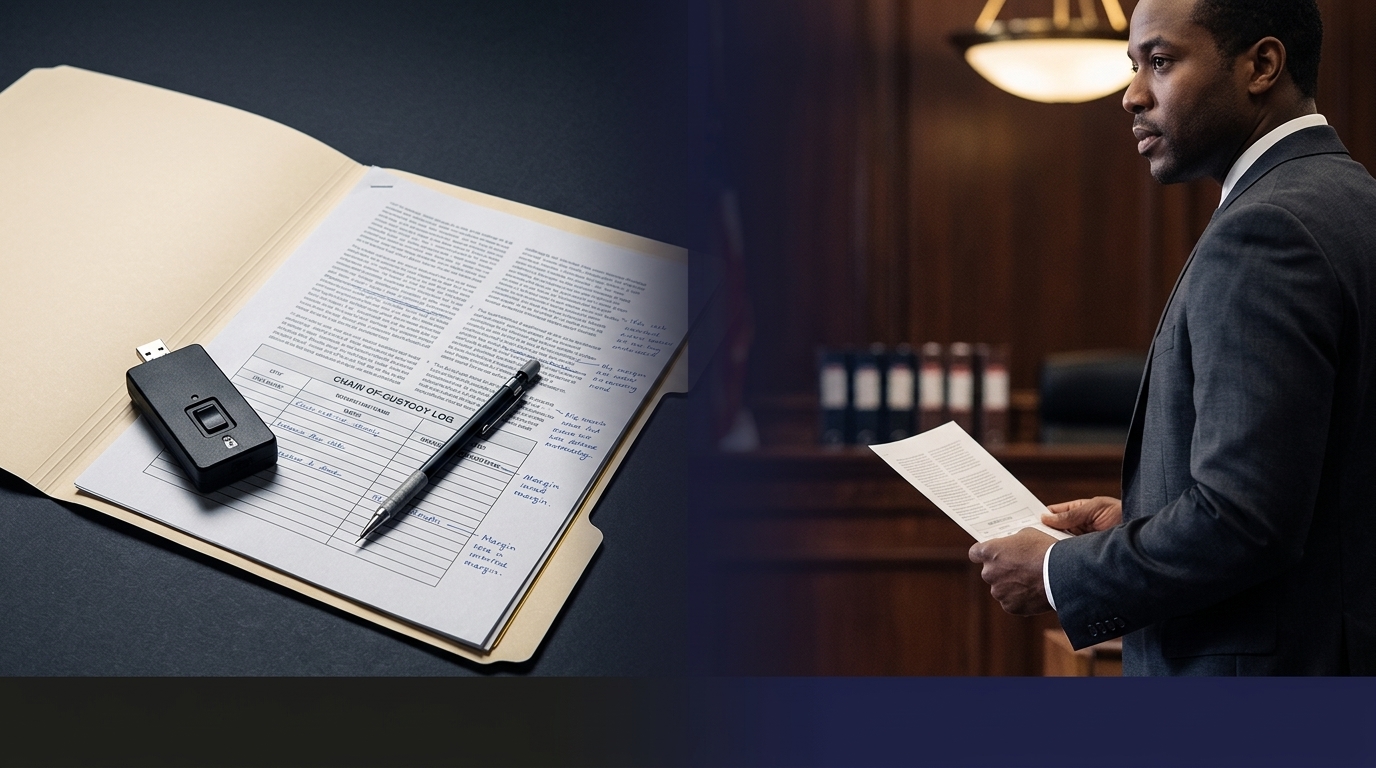
Maintaining a defensible chain of custody is essential. Document every step of evidence handling, from collection to storage. Each transition should be logged, noting who handled the evidence and any changes made.
Use digital tools to assist with tracking. These can help automate the process and reduce human error. Consistent documentation builds a strong case for compliance and can be crucial in legal scenarios.
Compliance Review and Audit Triggers
Establish triggers for compliance reviews and audits. These should be based on specific events or timeframes, ensuring that your processes are regularly assessed and updated. Regular reviews help spot weaknesses and ensure your practices align with current regulations.
Educate your team on these triggers and their importance. Regular audits improve your readiness and demonstrate your commitment to maintaining high standards. This proactive stance can reduce the risk of penalties and improve your organization's reputation.
Metadata Integrity and Validation
Ensure metadata remains intact and accurate. Metadata provides context and can be critical in investigations. Use validation tools to routinely check the integrity of your metadata, ensuring it hasn't been altered or corrupted.
Create a process for verifying metadata during and after incidents. This ensures your evidence remains credible and supports your case in any legal or compliance investigations. Reliable metadata is a cornerstone of effective incident response.
Achieve Forensic Readiness Confidence
Gaining confidence in your forensic readiness involves thorough preparation and regular practice. Here's how to stay ahead.
Conducting Tabletop Exercises
Tabletop exercises simulate real-world incidents, allowing your team to practice response strategies. These exercises help identify gaps in your plans and improve team coordination. Conduct them regularly to keep your team sharp.
During these exercises, focus on communication and decision-making. Encourage feedback and use it to refine your processes. Practicing in a controlled environment builds confidence and ensures your team is ready for real incidents.
Breach Notification Timelines
Understanding breach notification timelines is crucial for compliance. Know the timelines required by law and ensure your team can meet them. Quick, accurate notifications reduce legal risks and maintain trust with stakeholders.
Create a notification template and process to streamline communication. Ensure your team knows who to inform and how to do it efficiently. Timely notifications demonstrate your commitment to transparency and compliance.
Expert Witness Testimony Preparation
Being prepared for expert witness testimony can be vital in legal cases. Identify potential experts within your organization or externally who can testify on your behalf. Prepare them with the necessary information and training.
Document their qualifications and experiences. This preparation helps build a strong case and supports your position in legal disputes. Having expert witnesses ready demonstrates your organization's professionalism and thoroughness.
Frequently Asked Questions
What is incident response ownership?
Incident response ownership involves assigning specific roles to individuals responsible for managing and executing your incident response plan. This ensures clear communication and accountability during an incident.
Why is logging and retention important?
Logging and retention are crucial for tracking events and supporting investigations. They provide a detailed record of activities that can be used to analyze incidents and maintain compliance.
How can I preserve evidence effectively?
To preserve evidence, develop a protocol for collecting and securing data immediately after an incident. Train your team to handle digital evidence correctly, ensuring a clear chain of custody.
What are compliance review triggers?
Compliance review triggers are specific events or timeframes that prompt a review of your compliance processes. Regular reviews help identify weaknesses and ensure alignment with regulations.
How do tabletop exercises benefit my organization?
Tabletop exercises simulate real-world incidents, allowing your team to practice response strategies and improve coordination. They help identify gaps in your plans and build confidence in your readiness.


Comments