Computer Forensics for Proof: Preserve Metadata, Authenticate Evidence, Defend Your Case

Computer forensics is not just a technical task tucked away in the background. When you need to understand what happened on a device, preserving metadata and authenticating evidence become critical to building your case. Our approach ensures every detail—from file paths to timestamps—is collected and documented with precision, so you face disputes with confidence and defensible facts. Explore more about digital forensics.
Understanding Computer Forensics as Proof
Every device holds a story, and computer forensics helps you uncover it. This field is essential for building a robust case by transforming raw data into court-ready evidence. Let's explore the key elements that make this possible.
Importance of Metadata Preservation
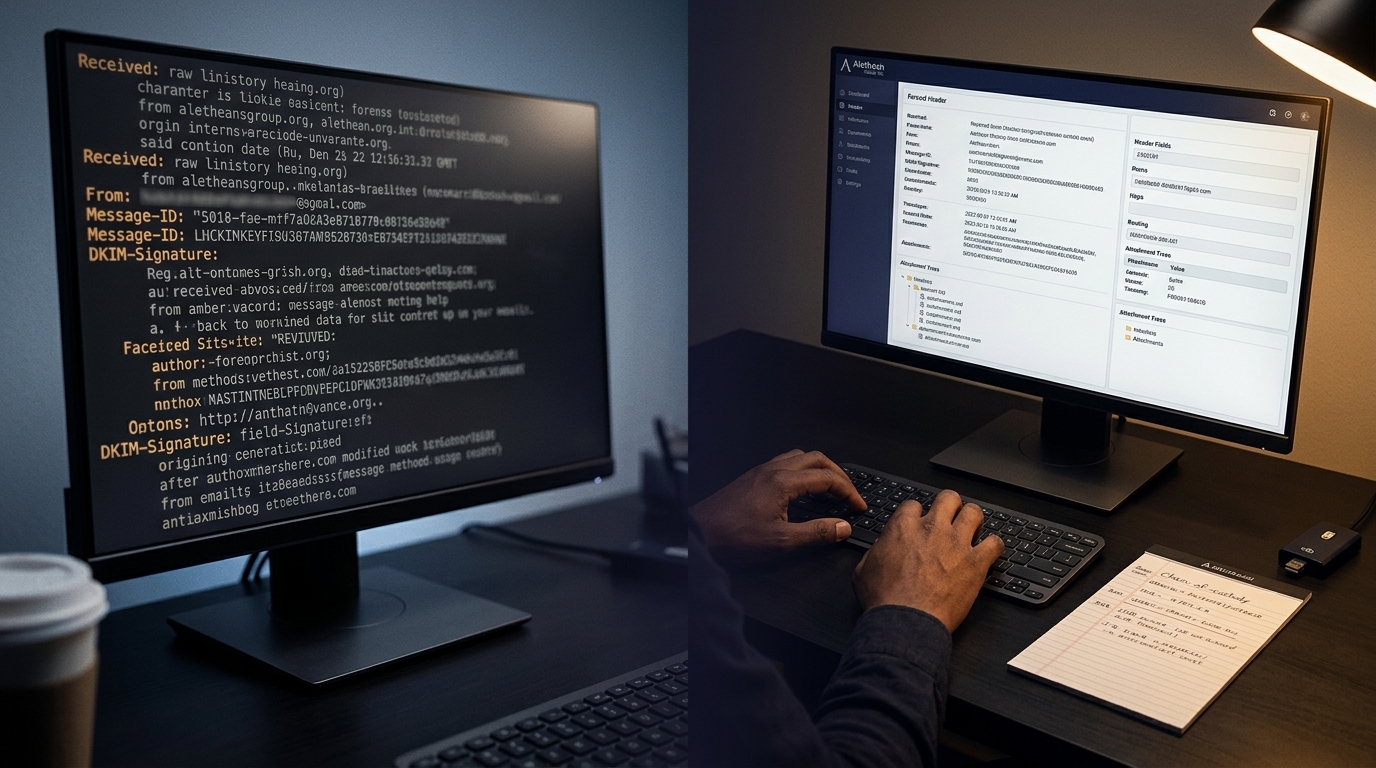
Preserving metadata is crucial in computer forensics. Metadata, which includes details like file creation dates and modification history, can be the backbone of your case. It shows not just what happened, but when and how. For instance, in a corporate dispute, understanding who accessed a document and when can make or break your argument. By focusing on metadata, you ensure that these details remain intact and untampered. Preserved metadata provides a timeline and context, helping you argue your case with facts that are hard to dispute. Learn more about preserving digital evidence.
Authenticating Digital Evidence
Authenticating evidence means proving that the data you present is exactly as it should be. This involves verifying that files haven't been altered since collection. Imagine presenting an email in court without proof of its authenticity; its credibility could be easily challenged. Authenticating evidence builds trust with the court, ensuring that what you present is both accurate and reliable. By using techniques like hash verification, you confirm that the digital evidence is unchanged, providing a solid foundation for your case. Discover digital forensics services.
Building a Defensible Case
Once evidence is collected, the focus shifts to maintaining its integrity. A defensible case relies on a strong chain of custody and meticulous verification processes.
Chain of Custody in Practice
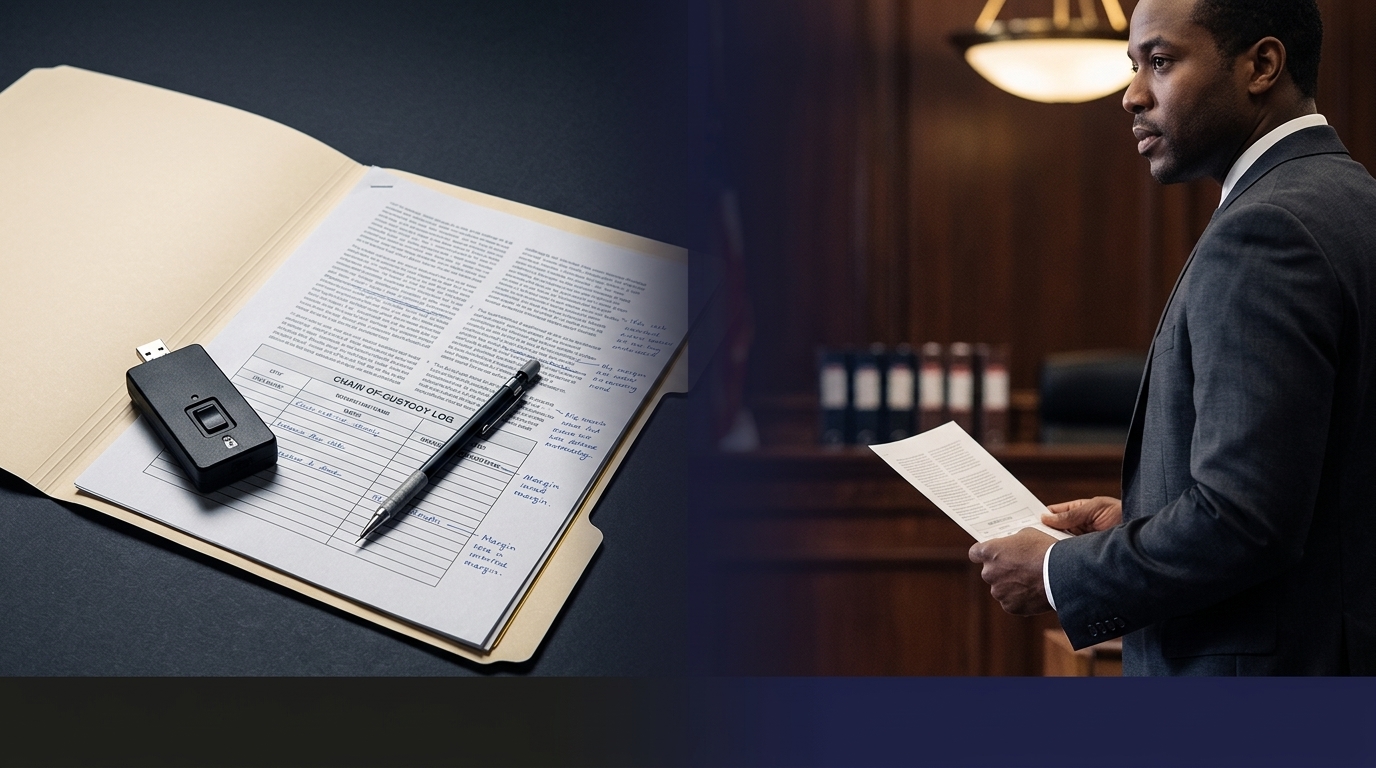
A clear chain of custody is non-negotiable. This process tracks who has handled the evidence from the moment it's collected until it's presented in court. Each step is documented to prevent any question of tampering or mishandling. For example, if a hard drive is part of the evidence, detailed logs of who accessed it and when are maintained. This documentation is crucial in proving that the evidence remains unchanged, supporting the validity of your case. The longer you wait to establish this chain, the riskier it becomes to defend the evidence's integrity. Understand more about evidence preservation.
Role of Hash Verification
Hash verification acts as a digital fingerprint for your files. It ensures that the data hasn't been altered. Each file generates a unique hash value, and if even a single bit changes, the hash value will differ. This method is vital for maintaining the integrity of digital evidence. For instance, in a legal dispute, presenting files with verified hashes shows they are untouched since collection, reinforcing their authenticity. Hash verification is a simple yet powerful tool that adds an extra layer of security to your evidence handling process. Explore digital forensics in law.
Expert Insights and Testimony
Expert insights turn complex data into understandable narratives for the court. These insights often provide the clarity needed to sway a case.
Analyzing File Paths and Timestamps
File paths and timestamps uncover the journey of each document. Analyzing these elements reveals user actions and data creation patterns. For example, discovering a file's path can show how sensitive information moved through a network. Timestamps can pinpoint exactly when a document was accessed or altered, providing crucial context. Such analyses not only strengthen the technical aspect of your case but also offer a clear storyline that aligns with your legal strategy. Learn about digital investigations.
Expert Witness Testimony in Court
An expert witness brings credibility and clarity to complex technical matters. They interpret digital evidence and explain its significance in layman's terms. For instance, an expert might testify about the reliability of metadata or the process of hash verification, making these concepts understandable to a jury. Their testimony can demystify technical jargon, helping the court see the facts clearly. This role is indispensable in connecting the dots between technical details and legal arguments. Find expert witness services.
Frequently Asked Questions
What is the importance of metadata in computer forensics? Metadata helps establish timelines and user actions related to digital evidence. It provides context that is crucial for building a compelling case in court.
How does hash verification work in digital forensics? Hash verification checks if data has been altered by comparing hash values. This process ensures that the evidence presented is original and unchanged.
Why is a chain of custody important? A chain of custody documents every handler of evidence. It ensures the integrity and authenticity of evidence by preventing tampering or unauthorized access.
What role does an expert witness play in court? An expert witness explains complex technical details to the court. They translate digital findings into understandable insights that support legal arguments.
How can file paths and timestamps impact a case? File paths and timestamps reveal the movement and modifications of files. This information can expose unauthorized access or tampering, strengthening your case.

Comments