Before It Disappears: How to Preserve Digital Evidence the Right Way

When digital evidence isn't preserved right away, crucial details can vanish or change, putting your case at risk. The first move you make sets the stage for protecting metadata integrity, chain of custody, and evidence authenticity. This guide shows how careful steps at the start keep your options open for compliance, investigation, or litigation support. Learn more about preserving digital evidence here.
Understanding Digital Evidence Preservation
Digital evidence preservation is crucial at the start of any investigation. It ensures the integrity of the data and keeps your options open for future actions. Let's explore why these first steps matter so much.
Importance of Metadata Integrity
Metadata acts like a digital fingerprint. It holds details about when and how files were created or modified. Preserving this is essential. If metadata changes, you might lose vital clues. Picture metadata as the spine of a book. Without it, the story might not make sense. By protecting metadata, you guarantee the integrity of your evidence. Read more about preserving digital evidence here.
Ensuring Chain of Custody
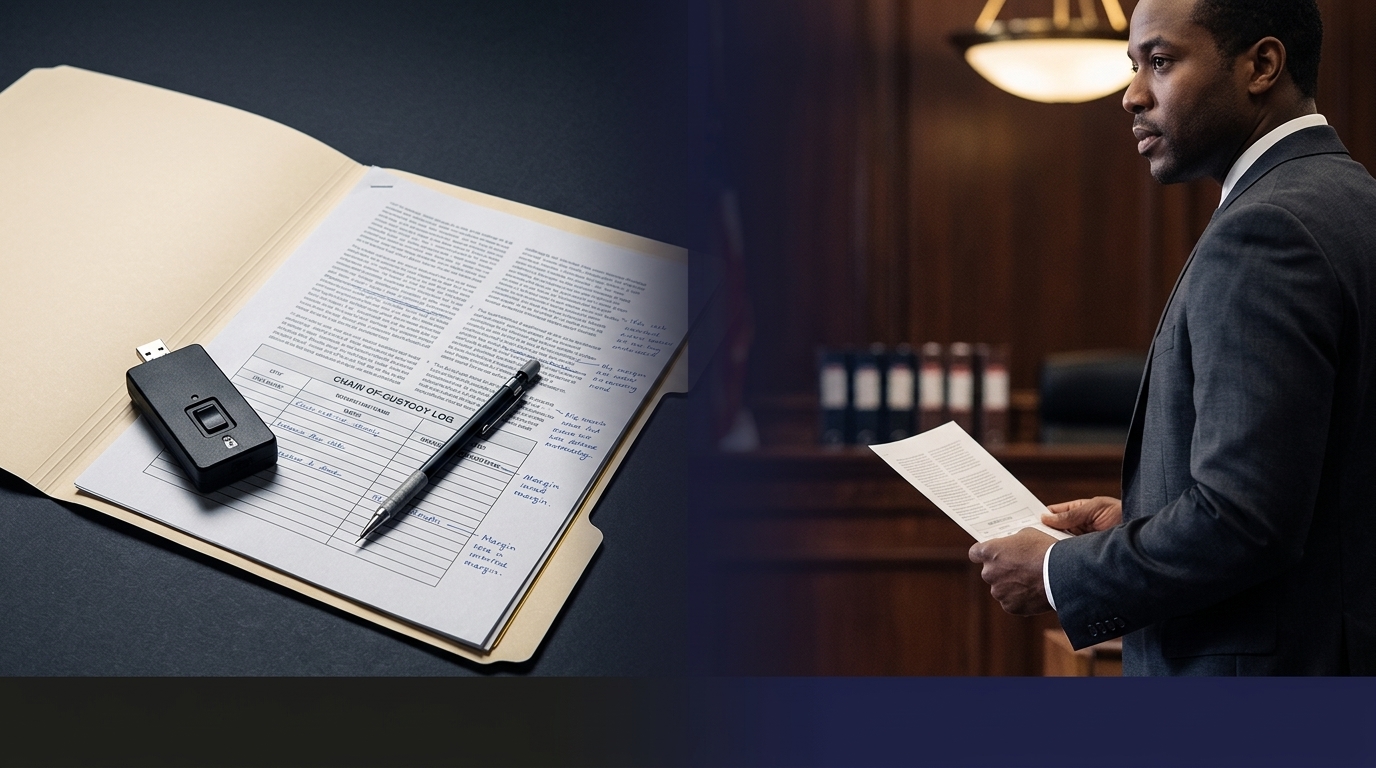
Chain of custody is about documenting each step of evidence handling. This process is key to proving that the evidence hasn't been tampered with. Imagine passing a baton in a relay race. Each handoff must be smooth and documented. A clear chain of custody helps ensure that the evidence remains untarnished. Without it, you risk compromising your case. For more insights, check this guide on best practices.
First-Move Incident Response
The first response to an incident can make or break your case. Quick action is vital, but it must be precise and informed. This initial step involves securing devices and documenting the scene. Think of it as setting the stage for a play. If the props aren't in place, the performance suffers. A well-executed first move safeguards the scene for future investigations.
Essential Tools for Evidence Preservation
Once you've understood the basics, it's time to gather the right tools. These will aid in keeping your evidence intact and defensible.
Role of Forensic Imaging and Write Blockers
Forensic imaging captures an exact replica of the evidence. It's like taking a high-resolution photo of a scene. With tools like write blockers, you prevent any alterations during this process. Imagine taking a photo without disturbing the setting. This ensures that the digital snapshot remains authentic, providing a reliable foundation for analysis.
Implementing Legal and Litigation Holds
Legal holds are directives to preserve relevant information. They ensure that data isn't accidentally deleted. Think of it as hitting the pause button on data alteration. Litigation holds are similar but apply during legal proceedings. Both are vital to keeping evidence intact. Instituting these holds prevents the loss of crucial data, providing peace of mind during legal battles. For further reading, check out this blog on preservation methods.
Use of Hash Values MD5 and SHA-256
Hash values act like digital fingerprints. They verify the authenticity of data. MD5 and SHA-256 are common hashing algorithms used in digital forensics. Consider them as unique identifiers for your files. By comparing hash values, you can confirm that the data hasn't changed. This is a simple yet powerful way to maintain evidence integrity.
Best Practices for Handling Digital Evidence
With the right tools in hand, it's important to follow best practices. These ensure that your evidence remains reliable and usable in any situation.
Preserving Evidence Authenticity and Preventing Spoliation
Authenticity is the cornerstone of credible evidence. Proper handling prevents spoliation, which means damaging or altering evidence. Think of it as maintaining a pristine museum exhibit. By following strict protocols, you ensure the evidence remains untouched and credible. This effort safeguards the truth, keeping your legal options open.
Effective Forensic Acquisition Techniques
Acquiring digital evidence requires a careful approach. Techniques like bitstream imaging and timeline reconstruction help in creating accurate copies. Picture these methods as creating a mirror image of the data. They ensure nothing is lost in translation. By using these techniques, you maintain the evidence's integrity, ready for any legal scrutiny. Further guidelines can be found in this NIST publication.
Guidelines for Expert Testimony in Digital Forensics
Expert testimony can be the linchpin of a case. A digital forensics expert interprets the data and explains its significance in court. Think of them as translators of digital language. Their insights can sway a case, making their role indispensable. By adhering to these guidelines, you ensure that your evidence stands up to the toughest legal challenges.
In conclusion, preserving digital evidence is not just about technical steps. It's about creating a reliable foundation for future actions. By prioritizing these first moves, you protect the truth and maintain your options. Whether you're a legal professional, investigator, or private client, these insights provide a path to effective evidence handling.


Comments