Recovered Is Not Enough: What Law Firms Should Expect from Digital Forensic Analysis

Most law firms think recovered files seal the deal. Yet, when cases reach court, mere recovery falls short. What truly matters is forensic analysis designed from day one to preserve metadata, maintain chain of custody, and support expert testimony. In this post, you’ll learn why admissible evidence demands more than just found files—and how proper digital forensics ensures your case holds up under the strictest scrutiny. Learn more about why proper digital forensics is critical for admissibility here.
Digital Forensics for Law Firms
Beyond File Recovery: Key Differences
Most people believe that recovered files solve their concerns, but there's more to it. Unlike basic recovery, digital forensics involves creating a defensible investigation path. This is critical for legal professionals who need to present evidence in court.
Digital forensic analysis ensures that evidence is gathered, handled, and stored correctly. This process requires specific tools and methodologies that go beyond just finding lost files. It focuses on preserving evidence authenticity and maintaining a complete record of how the data was handled. Without these steps, the risk of evidence being dismissed in court increases. It's not enough to have files; they must withstand scrutiny.
The Importance of Metadata Integrity
Metadata is like a file's DNA. It holds the history of a document, showing how and when it was created, modified, or accessed. Preserving metadata integrity is crucial in digital forensics. It adds context to the evidence, making it reliable and trusted during trials.
When metadata is altered or mishandled, the entire evidence can lose its credibility. Forensic experts take steps to ensure that this data remains untouched and authentic. They utilize forensic tools to lock the metadata in place. This meticulous process is essential for lawyers who need to prove the authenticity of their evidence in courtrooms.
Preserving Chain of Custody
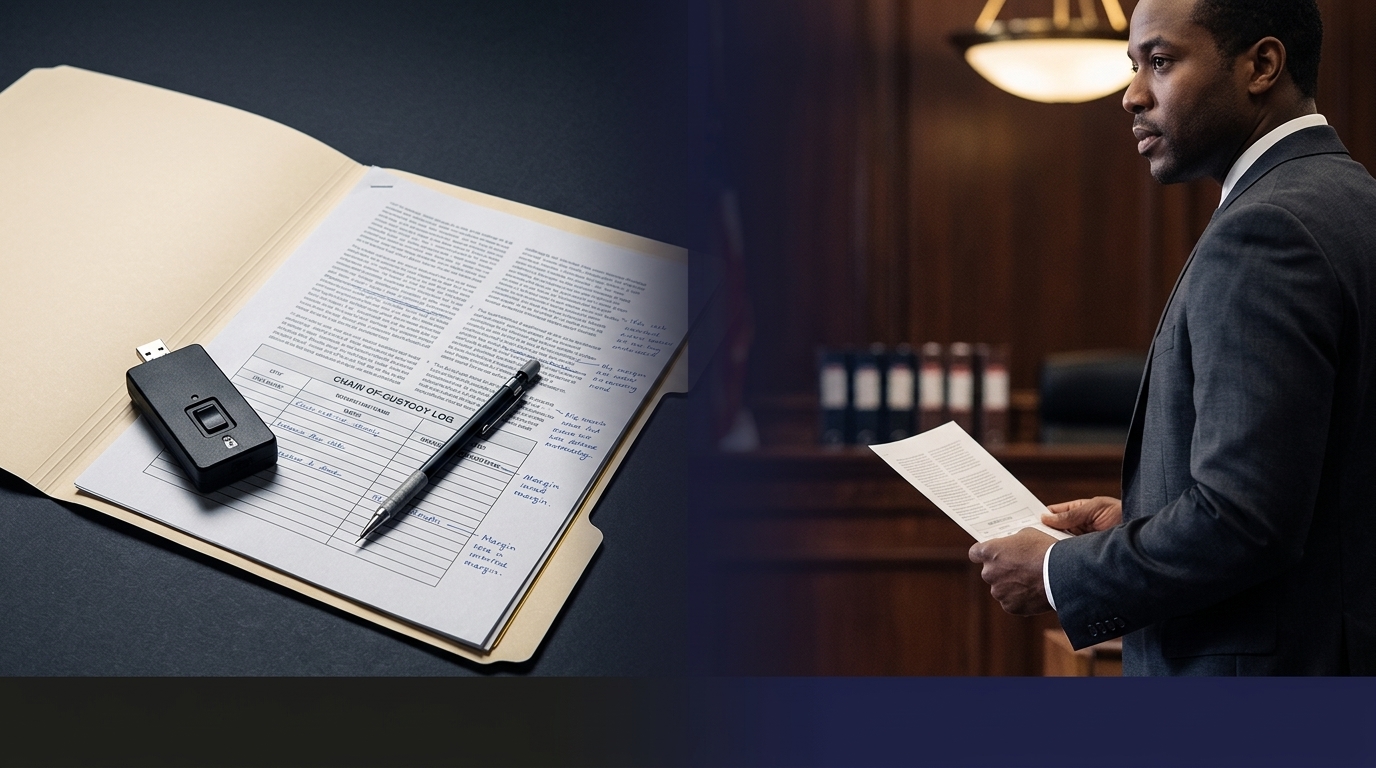
A solid chain of custody is vital in any legal case involving digital evidence. This refers to the documented process that tracks the evidence from collection to presentation in court. Without a clear chain, evidence may be questioned or invalidated.
Forensic professionals meticulously document each step of handling evidence. This includes logging who accessed it, when, and for what purpose. By maintaining this chain, they ensure that the evidence presented has not been altered or tampered with. This documentation becomes a powerful tool for attorneys to demonstrate that the evidence is credible and admissible.
Ensuring Admissible Evidence
Forensic Imaging and Preservation
Forensic imaging is a core component of evidence preservation. It creates an exact copy of the original data, ensuring that the source remains untouched. This step is crucial for maintaining the integrity of evidence.
A forensic image acts as a safeguard, allowing experts to analyze data without risking alterations. The original data is preserved, with all metadata intact. This process ensures that any findings are based on unaltered evidence, providing a reliable foundation for court presentations.
Defensible Reporting Standards
Defensible reporting is about transparency and accuracy. It involves creating detailed reports that outline the forensic process and findings. These reports offer a step-by-step account of how evidence was handled and analyzed.
Such thorough documentation is invaluable in legal cases. It provides a clear narrative that courts can trust, enhancing the evidence's credibility. By adhering to these standards, forensic experts help attorneys present a compelling case, backed by meticulously documented and analyzed data.
Expert Testimony in Court
Expert testimony can be a game-changer in court cases involving digital evidence. Forensic experts can explain complex technical processes in simple terms, helping judges and juries understand the significance of the evidence.
These experts support their testimony with comprehensive reports, demonstrating how evidence was preserved and analyzed. Their ability to communicate findings clearly and accurately strengthens the case, ensuring that the evidence holds up under legal scrutiny. This expertise is crucial for attorneys aiming to solidify their arguments in court.
Building Confidence through Forensics
E-Discovery Consulting and Litigation Support
Navigating digital evidence is challenging. E-discovery consulting provides support, helping legal teams identify and manage relevant data efficiently. This service ensures that all potential evidence is considered, reducing the risk of overlooking critical information.
Litigation support extends beyond discovery. It involves ongoing collaboration with forensic experts, guiding attorneys through the complexities of digital evidence. By leveraging expert support, legal teams can confidently present their cases, knowing their evidence is robust and defensible.
Understanding Hash Values and Authenticity
Hash values act like fingerprints for digital files. They verify a file's authenticity by producing a unique identifier. Even the smallest change in a file alters its hash value, making it a reliable tool for verifying authenticity.
Forensic experts use hash values to ensure that evidence remains unchanged from the time of collection. This process provides peace of mind, knowing that the evidence presented is the same as originally collected. Understanding and using hash values effectively bolsters a case's credibility.
Navigating the Daubert and Frye Standards
Navigating legal standards like Daubert and Frye is crucial for presenting digital evidence. These standards determine the admissibility of expert testimony and scientific evidence in court.
Forensic experts are familiar with these standards, ensuring that their methods and findings meet the required criteria. Their expertise helps attorneys understand and prepare for these standards, ensuring that evidence is presented effectively and meets legal expectations. By aligning with these standards, legal teams can confidently rely on their digital evidence.
Explore more about preserving digital evidence here.


Comments