New Year, Defensible Evidence: The Digital Forensic Tools That Matter Most

January’s pressure to get evidence right sets the tone for every investigation ahead. Your choice of digital forensic tools shapes how well metadata stays intact and how clearly the chain of custody holds up. Starting the year with the right capabilities means defensible findings that stand firm under legal or regulatory scrutiny. Let’s break down the tools that keep your evidence reliable when it matters most. For more insights, explore this guide on digital forensics tools.
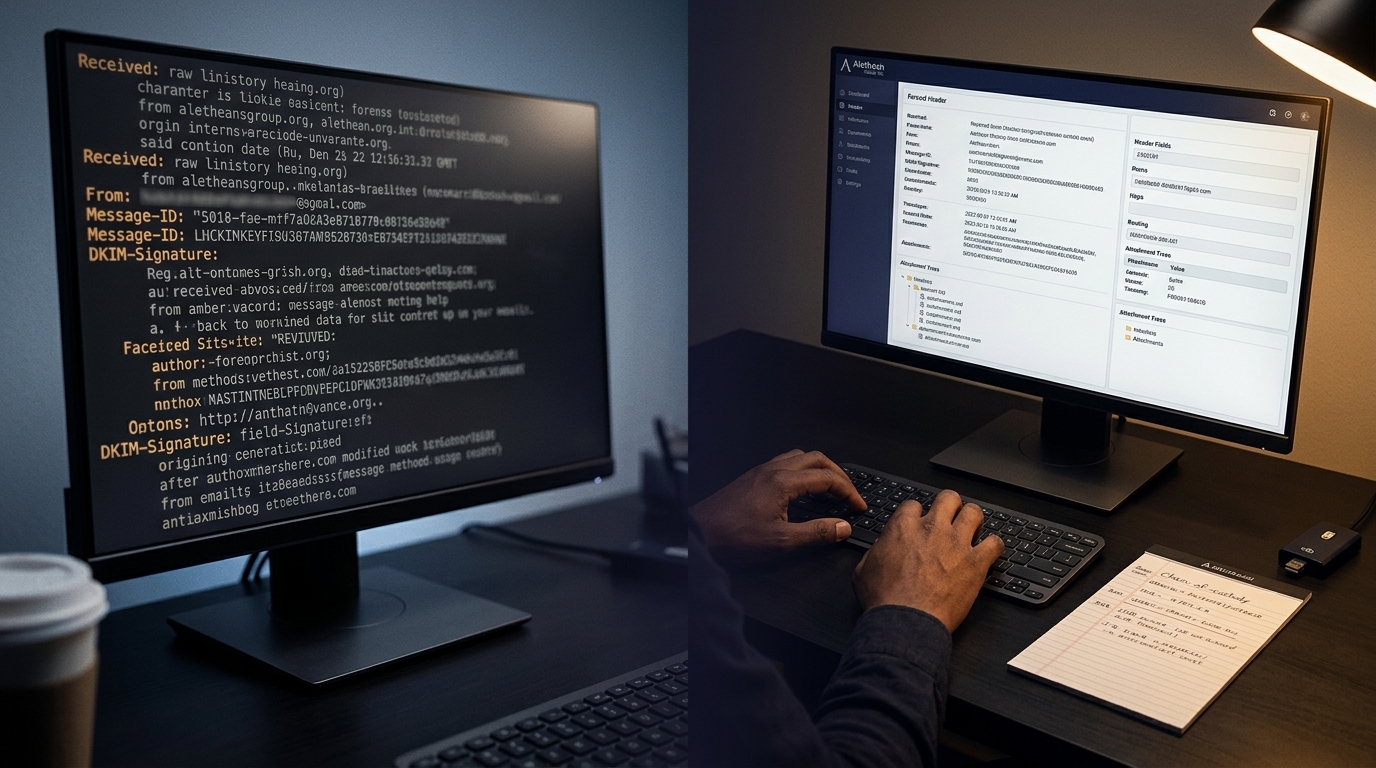
In the realm of email forensic analysis, understanding the role of headers and metadata is crucial. Our detailed post on Email Forensic Analysis provides insights on turning these elements into defensible evidence. On top of that, it's vital to begin with proper preservation. Learn more about how tools like FTK Imager set the foundation by visiting our article on Preservation Before Interpretation. When it comes to court readiness, making sense of mailtrack evidence is essential too, as discussed in our piece Beyond the Green Check.
Essential Digital Forensic Tools
Importance of Metadata Integrity
Metadata acts as the DNA of digital evidence. It's crucial for confirming authenticity and context. Without preserving metadata accurately, you risk compromising evidence. Reliable tools ensure this data remains untampered during collection and analysis.
Your digital forensic toolkit must prioritize metadata protection. When you collect evidence, tools like forensic imagers help capture every bit of data, including metadata. This ensures that the evidence you gather stands up in court or regulatory reviews.
Maintaining Chain of Custody
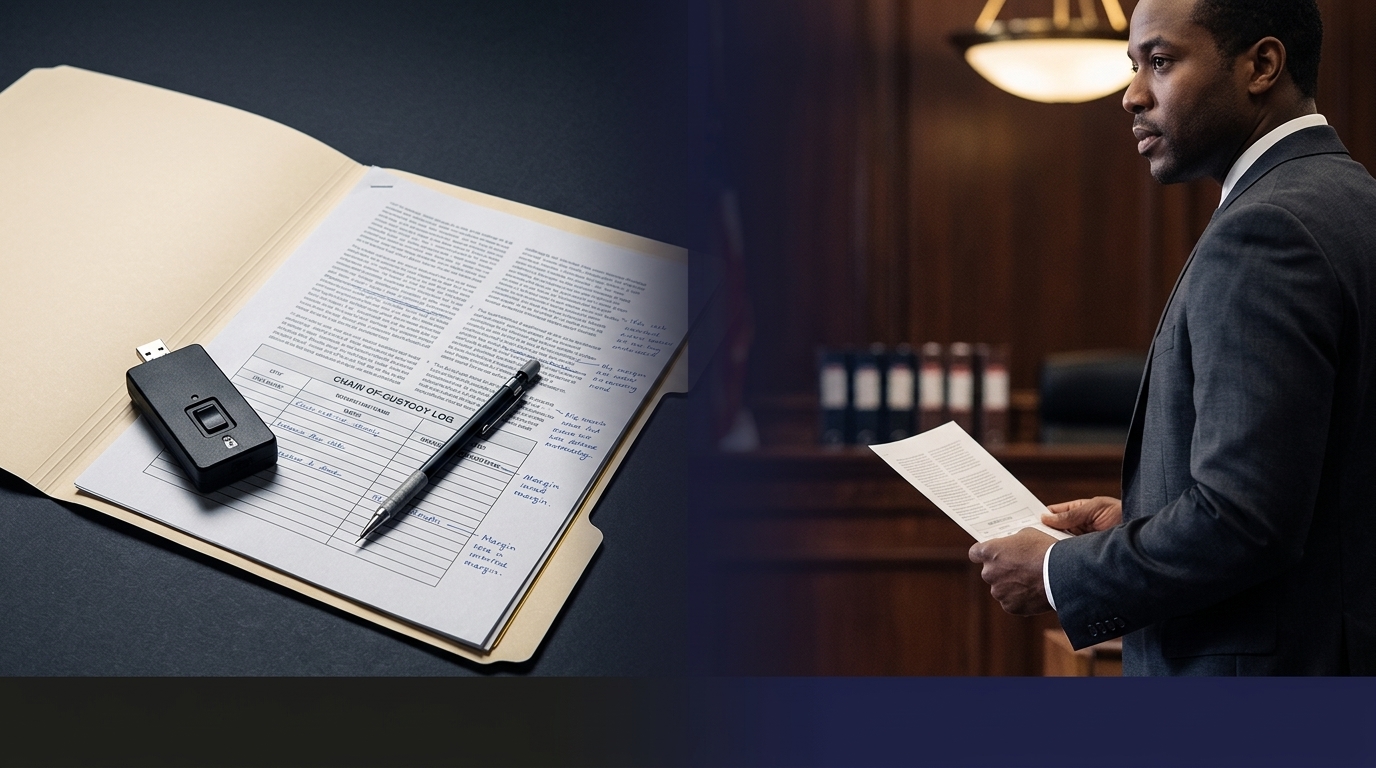
The chain of custody is the backbone of evidence handling. It documents every person who handled the evidence, ensuring authenticity. Without a clear record, evidence risks being inadmissible.
Using tools that log each step automatically simplifies this process. Digital trackers and logs are invaluable here. They help maintain a seamless record, reducing human error and ensuring that the evidence remains credible.
Ensuring Legal Defensibility
Legal defensibility means your evidence can withstand scrutiny. This is essential for legal proceedings or compliance audits. Tools designed with defensibility in mind ensure that your evidence remains solid.
Digital forensic tools must provide clear reports and documentation. This transparency is key when facing legal challenges. Choose tools that help you generate reports that are both comprehensive and easy to understand.
Core Capabilities for Evidence Preservation
Effective Forensic Imaging Techniques
Forensic imaging is about creating exact duplicates of digital evidence. This process is vital for preserving original data. You need tools that can handle this accurately without altering the original.
Imaging tools should capture data bit by bit. This ensures nothing is missed. The right tools also allow you to verify that the copy matches the original, maintaining integrity throughout the process.
Role of Write Blockers
Write blockers prevent data from being altered during examination. They are critical in any forensic investigation. By using these, you ensure that the original data remains untouched.
When deploying write blockers, choose ones that offer flexibility and reliability. These devices protect the integrity of your evidence by ensuring no changes occur during analysis. This is crucial for maintaining trust in your findings.
Hash Verification Processes
Hash values act like fingerprints for digital files. They confirm whether a file has changed. Tools that verify hashes are essential in forensic work.
Using hashing tools, you can produce a hash value for every piece of data. This becomes a reference point. If the hash changes, you know the data has been altered. This process is a simple yet powerful way to maintain evidence integrity.
Achieving Forensic Readiness
Creating a Comprehensive Audit Trail
A comprehensive audit trail records every action taken on evidence. It is essential for ensuring accountability. Without it, evidence credibility can suffer.
Tools that automate audit trails save time and reduce errors. They provide a detailed log of all interactions with the evidence. This can be crucial when demonstrating compliance or integrity in investigations.
Forensic Reporting and Analysis
Clear reporting and analysis are the final pieces of the puzzle. They translate technical findings into usable information. This is what decision-makers rely on for informed choices.
Forensic reporting tools should offer clarity and detail. They must convert raw data into understandable formats. This helps stakeholders grasp the significance of the findings quickly.
Expert Testimony and Cybersecurity Consulting
In some cases, expert testimony or consulting is necessary. This adds weight to your findings. It ensures proper interpretation and application of evidence in legal contexts.
Choose consultants who combine technical knowledge with legal acumen. Their input can bridge the gap between digital findings and courtroom requirements. This expert insight solidifies your evidence's role in legal proceedings.
Frequently Asked Questions
What is the importance of metadata integrity in digital forensics?
Metadata integrity ensures that digital evidence remains authentic and untampered with. It provides crucial context about the data, which is essential for legal proceedings and compliance reviews.
How does a write blocker contribute to evidence preservation?
A write blocker prevents any modifications to digital evidence during analysis. It ensures the original data remains intact, maintaining its credibility and admissibility in legal contexts.
Why is creating an audit trail important in forensic investigations?
An audit trail provides a comprehensive record of all actions taken on evidence. This documentation is vital for demonstrating accountability and maintaining the credibility of the evidence in investigations.
How do forensic imaging techniques support evidence preservation?
Forensic imaging creates exact duplicates of digital evidence, preserving the original data. This process ensures that nothing is altered, maintaining the integrity of the evidence for legal scrutiny.
What role does expert testimony play in digital forensics?
Expert testimony bridges the gap between technical findings and their legal implications. It adds credibility to the evidence, ensuring that it is interpreted correctly in court or regulatory settings.

Comments