MOBILedit Forensic: What Experts Look For When Mobile Evidence Must Hold Up

Mobiledit Forensic is more than just a tool for extracting mobile data. What really matters is preserving the full context, metadata, and chain of custody from the start. When handled within a disciplined forensic workflow, Mobiledit supports legal scrutiny, compliance demands, and expert witness testimony. Read on to see how this process builds trustworthiness and clarity, ensuring your mobile evidence holds up when it counts. Check out more about leveraging digital forensics in legal contexts in this article.
For more insights on employing a robust approach in mobile device forensics, explore the post on preserving metadata and protecting truth. Additionally, learn about aligning device data and context for defensible truth through our detailed discussion on Tri Tech Forensics. Understanding why method beats mere extraction for litigation leverage is crucial, and our insights on mobile device forensics tools provide valuable guidance.
Effective Mobile Evidence Handling
Understanding Mobile Forensics
Mobile forensics involves much more than just gathering data from a device. It centers on ensuring that every piece of information remains intact, verifiable, and usable in legal proceedings. This means focusing on how data is preserved and presented. By prioritizing metadata and ensuring every action taken is documented, you create a reliable evidence trail. It's crucial to consider the entire forensic process, not just the technology used.
Mobile devices often store a wealth of information, from text messages to location data. Each of these elements can be pivotal in a legal case. By using tools like MOBILedit Forensic, you ensure that all extracted data maintains its integrity. This approach helps in building stronger cases, as every piece of evidence can be defended in court.
Importance of Defensible Extraction
In the realm of digital forensics, defensibility is key. This means the evidence you gather can withstand scrutiny in legal settings. It's not just about what you extract but how you extract it. This involves using methods that preserve the data's original form and context. Defensible extraction ensures that the evidence remains credible and admissible in court.
One major aspect of defensible extraction is the method used to access and gather data. By using standardized procedures, you minimize the risk of altering or corrupting data. This way, your findings remain trustworthy. It's also essential to keep a detailed record of every step taken during the extraction process. This documentation can be crucial if the evidence's validity is ever questioned.
Role of Chain of Custody
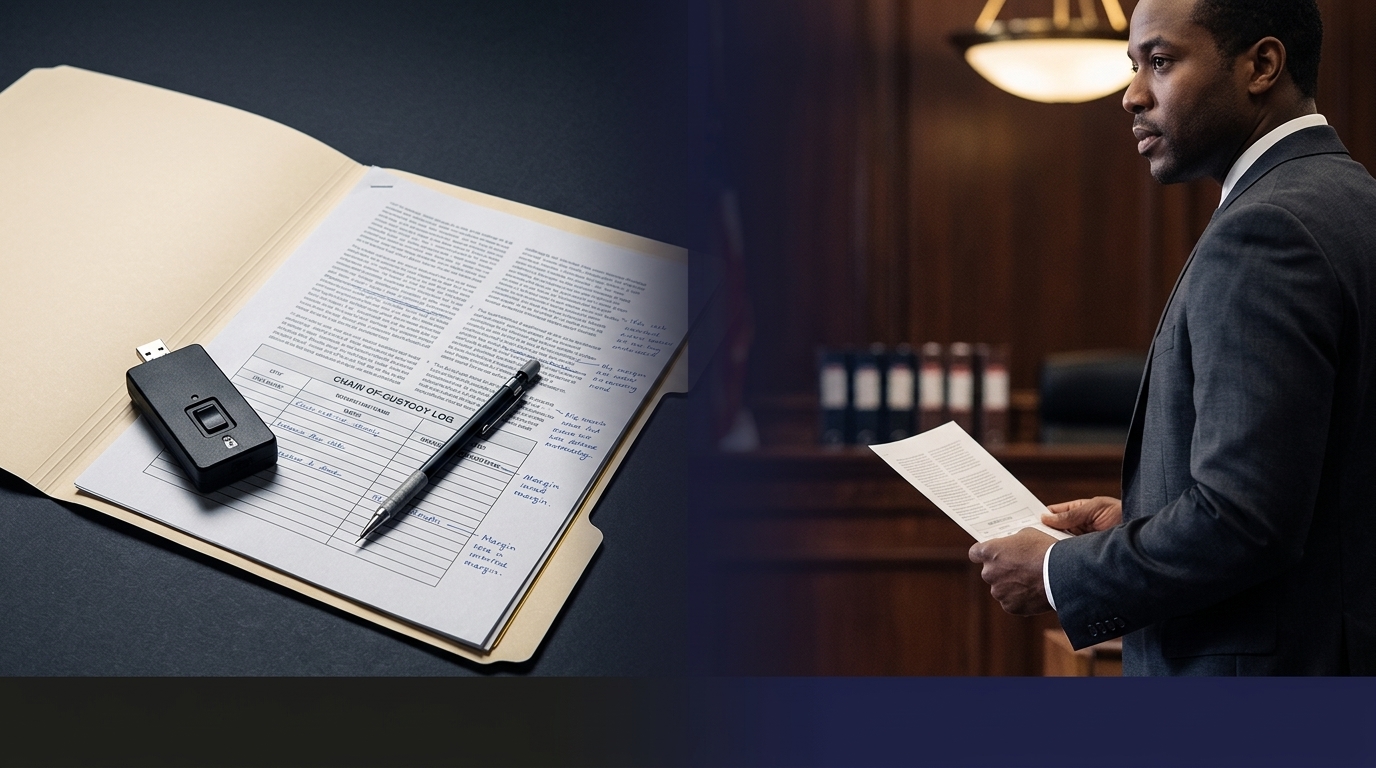
The chain of custody is a fundamental concept in mobile forensics. It refers to the detailed documentation of every person who handles a piece of evidence. This ensures that the evidence remains untampered from the moment it's collected until it's presented in court. Maintaining a solid chain of custody is crucial for the evidence to be considered valid and reliable.
Every time evidence changes hands, it's essential to document who handled it, why, and when. This record proves that the evidence has been managed in a controlled and consistent manner. A break in the chain of custody can lead to questions about the evidence's authenticity. By meticulously documenting every step, you reinforce the evidence's credibility and ensure it holds up under legal scrutiny.
Key Components of Forensic Workflow
Metadata Preservation Techniques
Preserving metadata is crucial in digital forensics. Metadata provides context to the main data, detailing when and how it was created or altered. By keeping this information intact, you ensure that the evidence remains accurate and reliable. Various techniques can be employed to achieve this, each with its own merits.
Using specific tools and protocols helps in maintaining metadata integrity. These methods ensure that any changes to the data are tracked and documented. This transparency is vital for legal proceedings, as it shows that the evidence has not been tampered with. By focusing on the small details, you build a stronger case.
Cryptographic Hashing and Data Integrity
Cryptographic hashing plays a crucial role in maintaining data integrity. This process involves generating a unique identifier for a piece of data. If the data changes, even slightly, the hash will change. This makes it easy to verify that the data remains unaltered throughout the forensic process.
Employing cryptographic hashing ensures that the evidence you present remains credible. It's a reliable way to prove that the data has not been tampered with. By using these techniques, you can confidently present your findings in court, knowing they will withstand scrutiny.
Documentation and Expert Witness Testimony
Detailed documentation is essential in the forensic process. Every action taken, from data extraction to analysis, must be recorded. This comprehensive documentation ensures that the process is transparent and can be reviewed at any stage. It forms the backbone of any credible forensic investigation.
Expert witness testimony is often required to explain the forensic process and findings. By maintaining thorough documentation, experts can provide clear and accurate testimony. This strengthens the case, as the methods and findings can be defended under cross-examination. Every detail counts, and thorough documentation ensures nothing is overlooked.
Ensuring Legal Defensibility
Preparing Court-Admissible Evidence
Preparing evidence for court requires meticulous attention to detail. It's not just about gathering data but ensuring it remains admissible. This involves following specific protocols to maintain the evidence's integrity and reliability. Proper preparation ensures that the evidence will hold up in any legal setting.
Following established procedures is key to preparing court-admissible evidence. This means documenting every step, from collection to analysis. By keeping a detailed record, you strengthen the evidence's credibility. This preparation is crucial for any legal proceeding, as it ensures that the evidence can be trusted.
Detailed Case Documentation
Case documentation is a cornerstone of any forensic investigation. It involves recording every detail, from the initial evidence collection to the final analysis. This comprehensive record ensures that the process remains transparent and can be reviewed at any stage. Accurate documentation is crucial for building a strong legal case.
By maintaining detailed documentation, you ensure that the evidence is credible and reliable. This record can be reviewed by experts and used in court to support the findings. It's essential to keep this documentation organized and accessible, ensuring that nothing is overlooked.
Comprehensive Forensic Reporting
Forensic reporting is the final step in the forensic process. It involves compiling all the findings into a coherent and comprehensive report. This report serves as the foundation for any legal case, providing a detailed account of the evidence and analysis. It's crucial to ensure that the report is accurate and easy to understand.
A well-structured forensic report is essential for any legal proceeding. It provides a clear overview of the findings and supports the case's narrative. By focusing on clarity and accuracy, you ensure that the report remains credible and reliable. This final step is crucial in presenting a strong legal case.
Frequently Asked Questions
What is mobile forensics?
Mobile forensics involves analyzing mobile devices to extract data for legal investigations. It ensures that the data remains untampered and reliable throughout the process.
How does cryptographic hashing ensure data integrity?
Cryptographic hashing generates a unique identifier for data. Any change to the data results in a different hash, making it easy to verify that the data hasn't been altered.
Why is the chain of custody important in forensics?
The chain of custody documents every person who handles evidence, ensuring it remains untampered from collection to court presentation. It's crucial for the evidence's validity and credibility.


Comments