Mobile Device Forensics: Preserve Metadata, Protect Truth, Empower Decisions

Mobile device forensics often feels like a race against time. Critical evidence disappears before many even realize its value. When specialists preserve metadata, chain of custody, and hidden details like timestamps and app activity, your phone data becomes a reliable source for decisions and disputes. This post explains how disciplined mobile device forensics protects truth and builds confidence for legal and corporate teams. Learn more about our approach on LinkedIn.
Understanding Mobile Device Forensics
When dealing with mobile devices, every second counts. Preserving the integrity of your evidence can make all the difference. Here's how mobile device forensics ensures reliability and trustworthiness in critical situations.
Importance of Metadata Preservation
Metadata acts as the backbone of digital evidence. It provides details like when and how files were created or altered, which can be pivotal in investigations. Without proper care, this data can be easily altered or lost, rendering evidence unusable. Forensic experts focus on maintaining metadata integrity to ensure that what you see is accurate and reliable.
Consider a scenario where a timestamp discrepancy could alter the course of a legal case. By preserving metadata, specialists can verify the authenticity of digital information. This process not only safeguards the evidence but also bolsters its credibility in court or corporate investigations. Learn more about metadata.
Ensuring Chain of Custody
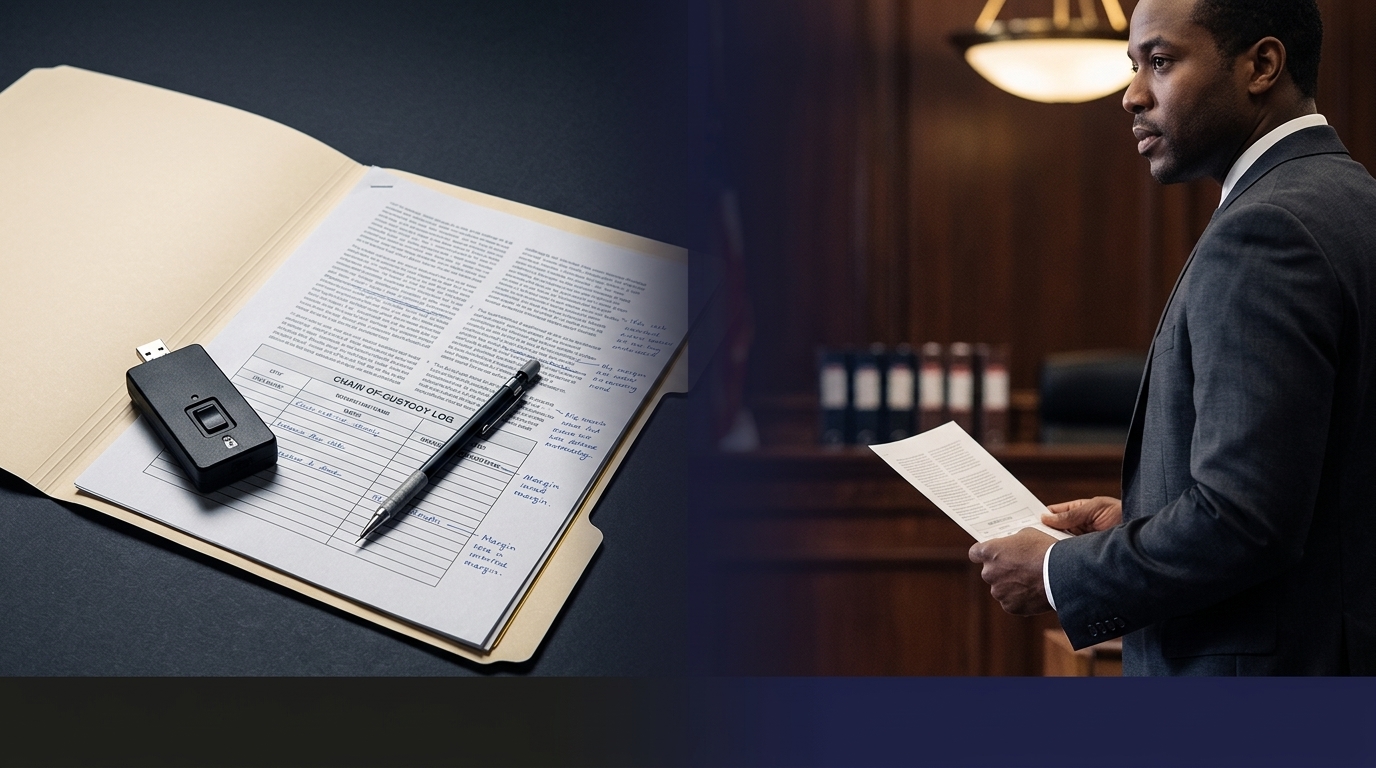
Maintaining a clear chain of custody is crucial in digital forensics. This process documents each step that evidence takes, from acquisition to presentation, ensuring its integrity throughout. A broken chain can lead to questions about the evidence's validity, potentially jeopardizing cases.
For instance, if an investigator mishandles a device, it could cast doubt on the evidence. By meticulously documenting each interaction with the evidence, forensics teams provide a transparent trail that upholds the data's integrity. This meticulous approach assures stakeholders that the evidence remains untouched and authentic. Explore more about the chain of custody process.
Commonly Missed Digital Evidence
Digital evidence can be elusive, often hiding in plain sight. Missing crucial data points can change the trajectory of an investigation. For example, deleted app logs or hidden files might go unnoticed without a thorough examination.
Experts in mobile forensics dig deep, uncovering these hidden gems. They ensure no stone is left unturned, providing comprehensive data analysis that supports legal and corporate needs. This thoroughness can reveal insights that might otherwise remain hidden, proving vital in building a strong case or resolving disputes. See the impact of missed evidence.
Revealing Hidden Context in Mobile Devices
Unlocking the secrets within mobile devices can offer clarity in complex situations. From timestamps to geolocation, every detail can be a game-changer.
Timestamps Analysis and App Activity Logs
Understanding the timeline of events is crucial. Timestamps and app activity logs provide a chronological sequence of user actions, offering insight into what happened and when. These logs can reveal patterns or inconsistencies, helping to piece together the bigger picture.
Imagine discovering a crucial app log that contradicts a key alibi. Such findings can turn the tide of an investigation. By analyzing these details, forensic specialists can pinpoint crucial moments, offering a clearer narrative of events. This approach not only aids in investigations but also supports legal arguments effectively.
Uncovering Deletion Artifacts and Timeline Reconstruction
Deleted doesn't mean gone forever. Forensic techniques can retrieve artifacts that users believe are erased. These artifacts tell stories of their own, often filling gaps in the timeline of events.
For instance, recovering a deleted text can provide context to an ongoing conversation, altering the perception of a case. Experts use advanced methods to reconstruct timelines, ensuring that even seemingly lost data can play a pivotal role in investigations. This meticulous process helps build a more comprehensive understanding of the situation.
Geolocation Artifacts and Chat Forensics
Location data and chat logs offer insights into a person's movements and interactions. Geolocation artifacts can place a device at a specific location and time, while chat forensics can reveal the nature of communications.
Consider a situation where geolocation data contradicts a witness statement. Such evidence can be the deciding factor in a case. By analyzing these elements, forensic experts provide a more nuanced understanding, empowering legal and corporate teams to make informed decisions.
Practical Applications in Legal and Corporate Settings
The application of mobile forensics extends far beyond mere data retrieval. It plays an essential role in legal and corporate environments, offering clarity and assurance.
Legal Defensibility and Expert Testimony
Forensic findings must stand up to legal scrutiny. Expert testimony can offer explanations that make complex digital evidence understandable to judges and juries. This credibility is crucial in legal proceedings, where every detail counts.
Imagine a case hinging on the authenticity of a digital document. An expert can clarify the evidence's reliability, strengthening legal arguments. By providing clear, concise explanations, forensic specialists bolster the defensibility of digital evidence, ensuring it withstands rigorous examination.
Corporate Mobile Investigations and Compliance
In the corporate world, mobile investigations help maintain compliance and uncover internal issues. Whether addressing data breaches or employee misconduct, these investigations provide clarity and support compliance efforts.
For example, discovering irregularities in employee communications can prevent potential legal pitfalls. By conducting thorough investigations, forensic experts ensure corporate entities remain compliant with regulations, safeguarding their reputation and operations.
eDiscovery and Deleted Data Recovery
Electronic discovery (eDiscovery) involves retrieving and analyzing digital data for legal and investigative purposes. This process often entails recovering deleted information, which can prove invaluable in resolving disputes or building cases.
For instance, recovering an email chain can clarify business decisions or negotiations, providing essential context for legal arguments. Through forensic imaging and recovery methods, experts ensure that no data is left behind, empowering legal teams with comprehensive evidence.
By understanding and harnessing the power of mobile device forensics, you can navigate complex scenarios with confidence. Whether in legal or corporate settings, the insights gained through disciplined forensic practices empower decision-making and protect your interests.


Comments