From Analysis to Testimony: What Digital Forensics Consulting Should Include for Law Firms

When digital evidence enters the courtroom, accuracy alone won't cut it. Your team needs digital forensics consulting that delivers airtight analysis, preserves critical context, and stands behind every finding under legal scrutiny. This post breaks down what law firms must demand—from technical rigor to courtroom-ready reporting—to ensure evidence holds up when it matters most. For more information, visit Alethean Group.
Core Components of Digital Forensics Consulting
Understanding the key components of digital forensics consulting helps ensure your evidence holds up in court. Let's discuss what your team should look for in terms of technical analysis, chain of custody, and metadata preservation.
Technical Analysis and Reporting
Technical analysis forms the backbone of any digital forensics consulting service. It involves examining electronic data to identify, recover, and preserve evidence. Your team will rely on this analysis to uncover crucial insights. The quality of the analysis directly impacts the case outcome.
Clear, comprehensive reporting presents these findings in an understandable way. Reports should be detailed yet concise, providing a clear narrative of the evidence. They should be structured to withstand legal scrutiny, making them a powerful tool in your litigation arsenal.
Importance of Chain of Custody
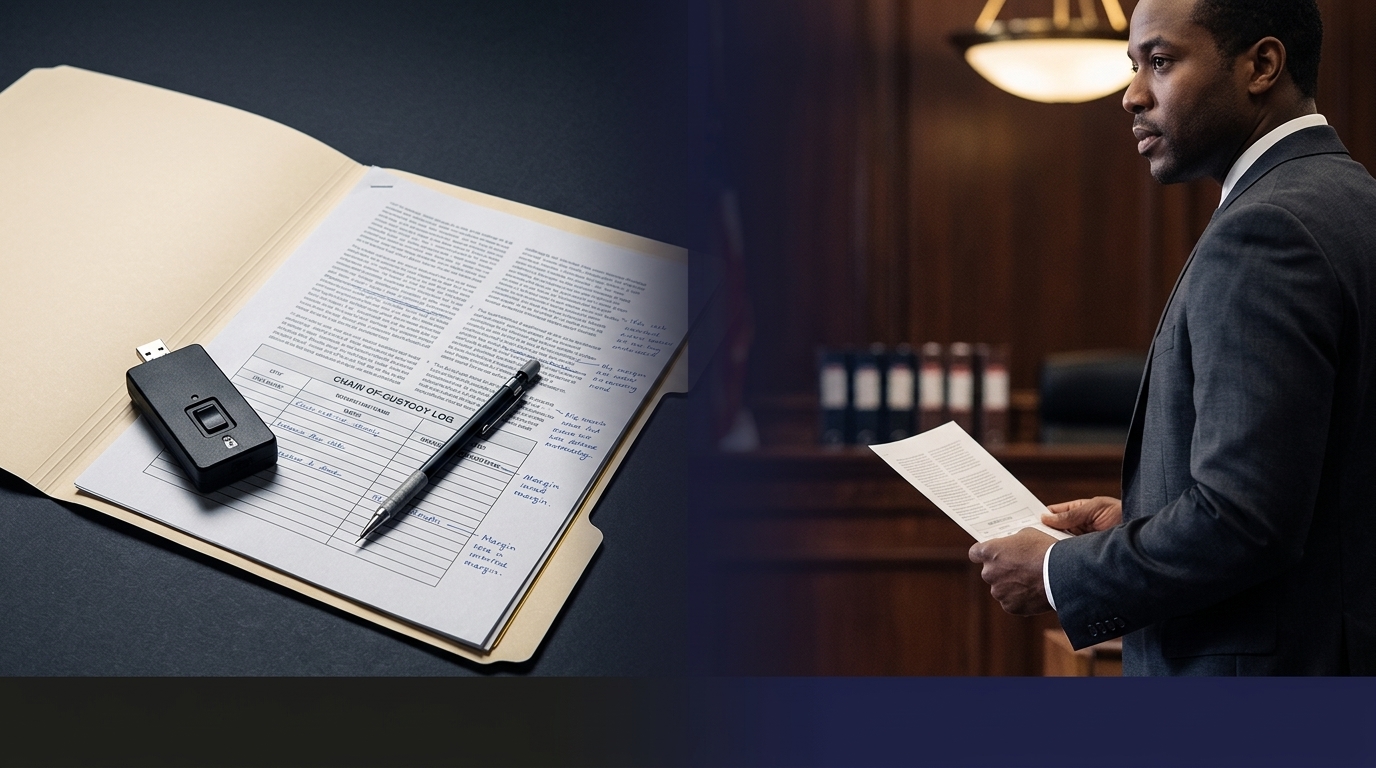
The chain of custody ensures that digital evidence remains intact and unaltered. This process tracks the evidence's journey from collection to courtroom, maintaining its integrity. It's crucial for proving that the evidence presented is the same as what was originally collected.
Every step, from data acquisition to storage, needs documentation. This transparency guarantees that evidence hasn't been tampered with, strengthening your case. Legal professionals know a broken chain of custody can jeopardize evidence credibility.
Metadata Preservation and Its Role
Metadata provides context to the digital evidence and plays an essential role in legal investigations. It includes information about when a file was created, modified, or accessed, illuminating the evidence's history. This data is pivotal in corroborating timelines and actions.
Keeping metadata intact is vital for its admissibility in court. Legal teams should demand that consulting firms prioritize its preservation. This ensures that the evidence is presented with all its contextual information intact.
From Data to Courtroom
Transforming raw data into courtroom-ready evidence involves ensuring analysis is defensible and reports are clear. This section explores how to make your evidence stand up in legal proceedings.
Ensuring Defensible Analysis
Defensible analysis is the foundation of any successful legal case involving digital evidence. It involves thorough examination and documentation, ensuring that your findings can withstand challenges. This type of analysis mitigates risks of misinterpretation or dismissal.
Ensure that your consulting partner employs a rigorous approach, using validated methods and tools. This solid foundation will bolster your case and support legal arguments effectively.
Preparing Courtroom-Ready Reports
Courtroom-ready reporting transforms technical findings into compelling narratives. These reports need to translate complex data into clear, understandable insights for judges and juries. They should highlight key evidence and the conclusions drawn from it.
The goal is to convey the story that the data tells convincingly. Well-prepared reports can make the difference in persuading legal decision-makers.
Understanding Daubert Readiness
Daubert readiness ensures that expert testimony and evidence meet legal standards. This readiness involves adhering to criteria for scientific validity and relevance. Meeting these standards is crucial for evidence acceptance in court.
Your consulting partner should be adept at presenting evidence that aligns with these standards. This enhances your case's credibility, ensuring that the evidence is not excluded on technical grounds.
Expert Testimony and Legal Support
Navigating digital forensics requires expert testimony and comprehensive legal support. Let's explore how forensic imaging, e-Discovery, and expert testimony contribute to your case's success.
Role of Forensic Imaging
Forensic imaging captures a complete, unaltered copy of digital evidence. This step ensures the original data remains untouched, preserving its integrity. Imaging is crucial for maintaining evidence authenticity throughout the legal process.
Images serve as reliable sources for analysis, allowing experts to examine data without risking alteration. This integrity is vital in proving the evidence's authenticity in court.
e-Discovery and Spoliation Analysis
e-Discovery uncovers relevant digital information for legal proceedings. It involves identifying, collecting, and analyzing data from various sources. Spoliation analysis ensures no evidence is lost or destroyed, which can be critical for your case.
By integrating these processes, your legal team can efficiently handle digital evidence, minimizing risks of data loss or mishandling. This comprehensive approach enhances case preparedness.
Engaging with Expert Testimony
Expert testimony provides clarity and insight during legal proceedings. Experts explain technical findings in plain language, helping the court understand complex data. Their testimony can significantly influence case outcomes.
Engaging experts with courtroom experience ensures that your evidence is presented effectively. They can anticipate challenges and respond confidently, supporting your case with credible and compelling arguments.
In conclusion, digital forensics consulting should bridge technical analysis with courtroom-ready support. By focusing on defensible analysis, clear reporting, and expert testimony, your legal team can confidently handle digital evidence in litigation.


Comments