Defensible Technical Control Policies: Evidentiary Infrastructure That Survives Scrutiny

When your technical controls face legal or regulatory scrutiny, a simple policy won’t cut it. Your technical controls policy must serve as clear evidence, showing what was done, why it was done, and how it holds up under pressure. We focus on building defensible policies that provide legal, compliance, and security teams with an unambiguous record of intent, process, and accountability—ready for any audit or inquiry. Let’s explore how to create policies that truly stand the test of scrutiny. For more insights, visit this link.
Building Defensible Technical Controls
Creating a robust policy for technical controls is an art and a science, especially under pressure. Here's how to build policies that withstand scrutiny.
Policy Creation Under Pressure
Policies need a strong backbone. Start with a clear intent and purpose. You want each control to be more than a checkbox. It should narrate a story of why it exists and what it aims to achieve. This purpose-driven approach is your first shield against scrutiny.
The Role of Evidentiary Infrastructure
Your policy should act as a bridge, linking technical controls with their intended outcomes. This involves a clear documentation framework. Keep records of decisions, changes, and rationale. When your policy shows its roots in necessity and effectiveness, it becomes your ally in compliance and regulation.
Linking Controls to Compliance
Connecting controls to compliance isn't just about ticking boxes. It's about understanding the why. A policy that articulates how each control serves a regulatory or business purpose builds trust. Transparency here isn't just good practice; it's your defense.
Elements of a Scrutiny-Ready Policy
Creating a policy that stands up to scrutiny involves several key elements. Let's break down what makes a policy truly defensible.
Proper Scope and Control Ownership
Define the scope clearly. Who owns each control and what are their responsibilities? Everyone should know their part in the bigger picture. When ownership is clear, accountability is straightforward, making your policy robust against challenges.
Documentation Standards That Endure
Good documentation is like your policy's memory. Ensure it captures every decision, every change, and every outcome. Use clear language and avoid jargon. Your documentation should be comprehensive enough to serve as evidence, yet simple enough for anyone to understand.
Review Cadence and Evidence Preservation
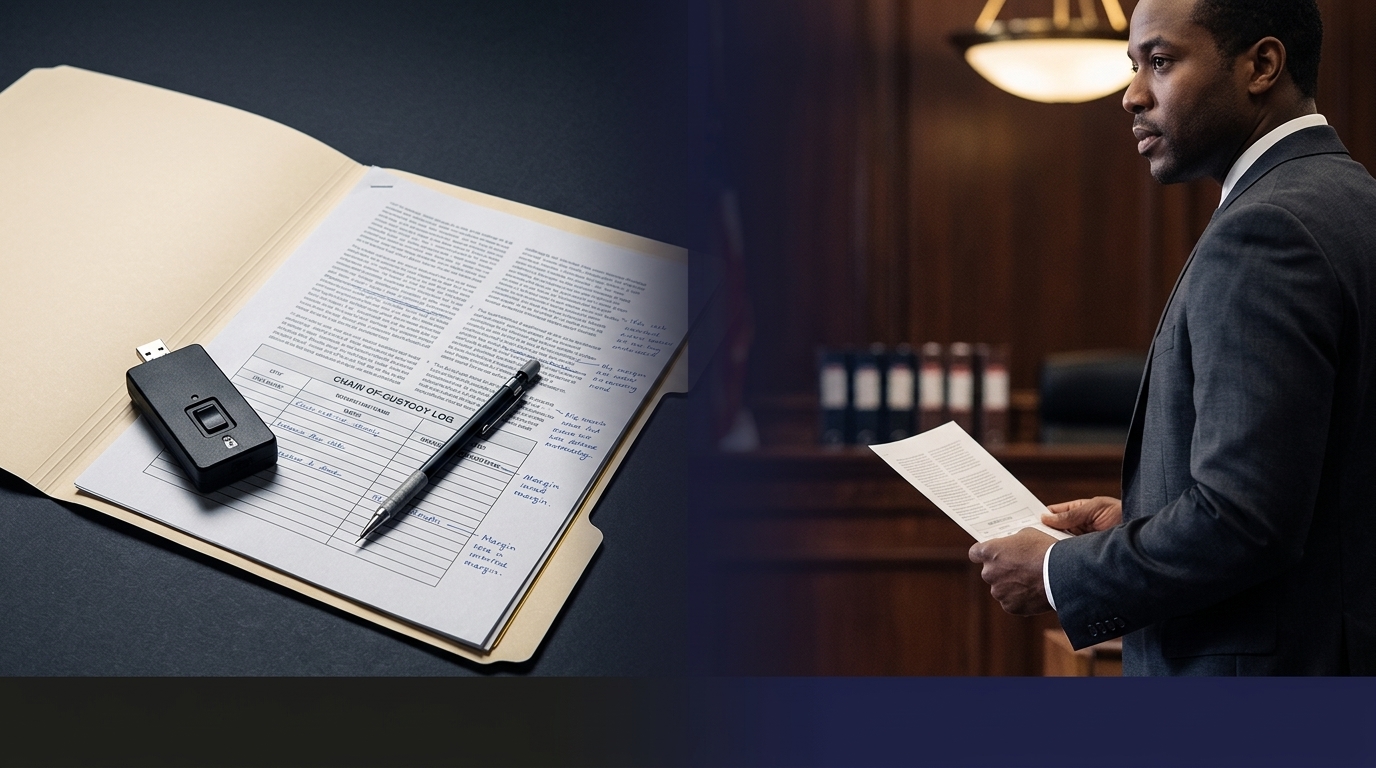
Regular reviews keep your policy fresh and relevant. Set a review schedule that aligns with your organization's rhythm. During reviews, focus on preserving evidence. This means keeping logs, maintaining metadata integrity, and having a clear chain of custody for all changes.
Ensuring Legal Defensibility
To ensure your technical control policies hold up in a legal context, focus on these aspects.
Chain of Custody and Metadata Integrity
Chain of custody is paramount. Every piece of evidence should have a clear trail. Maintain metadata integrity to prove that your data is unaltered and reliable. This is your safeguard in legal inquiries.
Forensic Readiness and Audit Defense
Prepare for audits by ensuring forensic readiness. Your policies should be designed to support digital forensics, making it easier to gather and present evidence. This readiness is key to defending your organization during audits or investigations.
Expert Testimony and Policy Governance
Expert testimony can be the cornerstone of your policy's defense. Ensure your policies are designed with expert insights. This involves engaging with digital forensics consulting professionals to develop governance frameworks that stand up in court.
In conclusion, building defensible technical controls is about clarity, ownership, and preservation. Your policies should tell a story of intent and accountability. With the right structure, they become not just documents, but powerful tools in your compliance and legal strategy.


Comments