Defensible by Design: Building Expert Testimony That Survives Cross-Examination

Expert testimony isn’t just about presenting facts—it must stand firm under intense cross-examination. When your digital evidence faces scrutiny, every detail matters: metadata, collection methods, and chain of custody. At Alethean Group, we ensure your expert witness testimony is defensible by design, built on repeatable, data-driven analysis you can trust when the stakes are highest. Keep reading to see how disciplined forensic processes create courtroom confidence from start to finish.
Building Credible Expert Testimony
Every expert witness knows the pressure of cross-examination. To withstand scrutiny, testimony must be rock-solid, grounded in fact and clear analysis. Your credibility hinges on providing testimony that is both explainable and repeatable.
Explainable and Repeatable Analysis
A powerful expert testimony begins with clarity. You need to present your findings in a way that's easy to understand. This involves breaking down complex data into simple terms. Each piece of evidence should tell a story that supports your case. When your analysis is repeatable, it gains strength. Others should be able to follow your methods and reach the same conclusions. This repeatability builds trust and reinforces your credibility as an expert witness.
Grounded in Digital Evidence
The bedrock of a credible testimony is solid digital evidence. It's not just about what you find, but how you gather and preserve it. Using reliable forensic tools ensures that the data remains intact and unaltered. This approach creates a robust foundation for your testimony. When digital evidence is correctly handled, it supports the integrity of your findings, making your expert witness testimony more persuasive.
Surviving Cross-Examination Challenges
Cross-examination aims to test the strength of your testimony. To withstand this, you must prepare thoroughly. Anticipate the questions and challenges you might face. Practice delivering clear, concise answers that reinforce your findings. When you're prepared, cross-examination becomes an opportunity to showcase the strength of your analysis.
Key Elements of Defensible Testimony
In digital forensics, it's not just what you discover, but how you handle it that counts. Key elements of defensible testimony include meticulous attention to metadata, authenticity, and the chain of custody.
Importance of Metadata Analysis
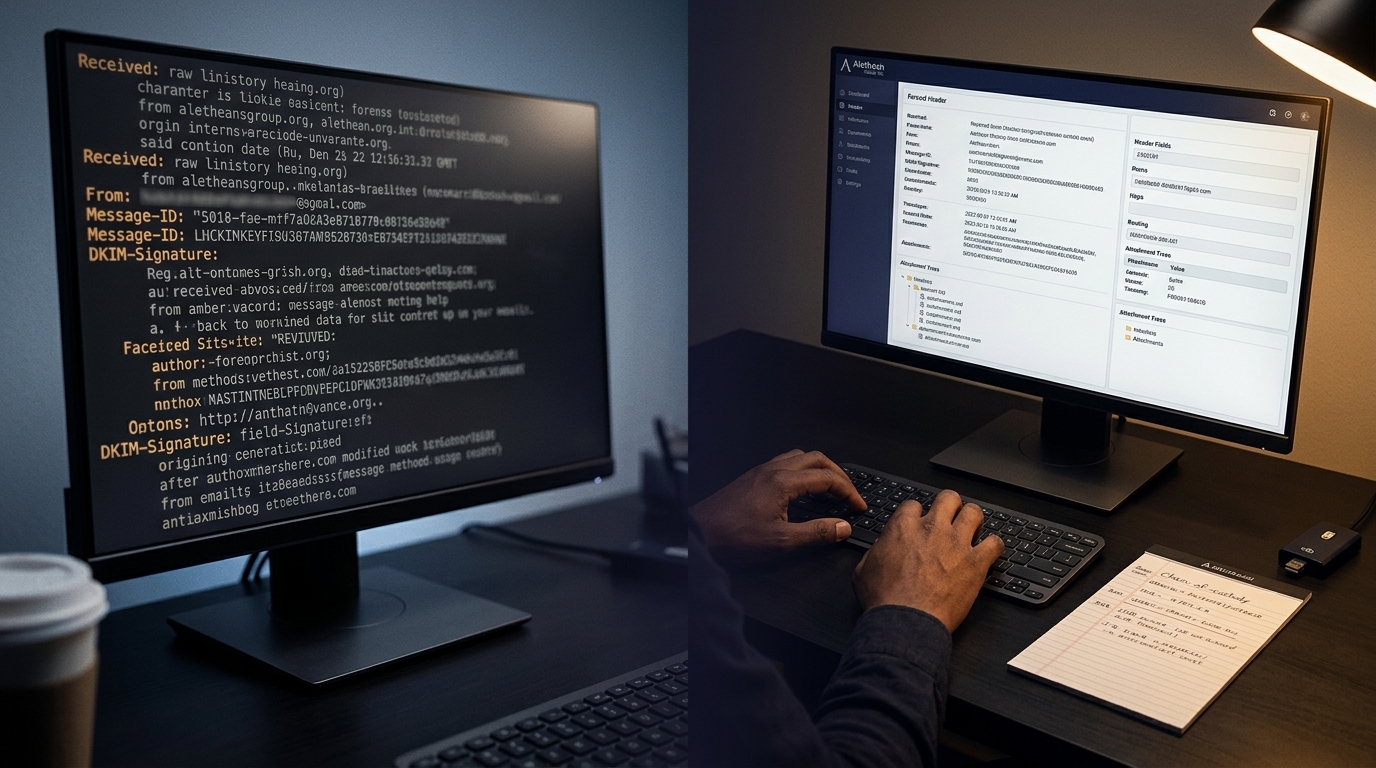
Metadata plays a crucial role in digital evidence. It provides context, showing when and how data was created or altered. This information is vital in establishing the credibility of your evidence. A thorough analysis of metadata can reveal hidden insights, strengthening your testimony. It ensures that the data you present is accurate and reliable.
Ensuring Evidence Authenticity
Authentic evidence is the cornerstone of credible testimony. You must demonstrate that the data has not been tampered with. This involves verifying the integrity of the evidence through techniques like hash validation. By proving authenticity, you reinforce the trustworthiness of your findings. This step is essential in creating a convincing narrative in court.
Chain of Custody and Forensic Collection
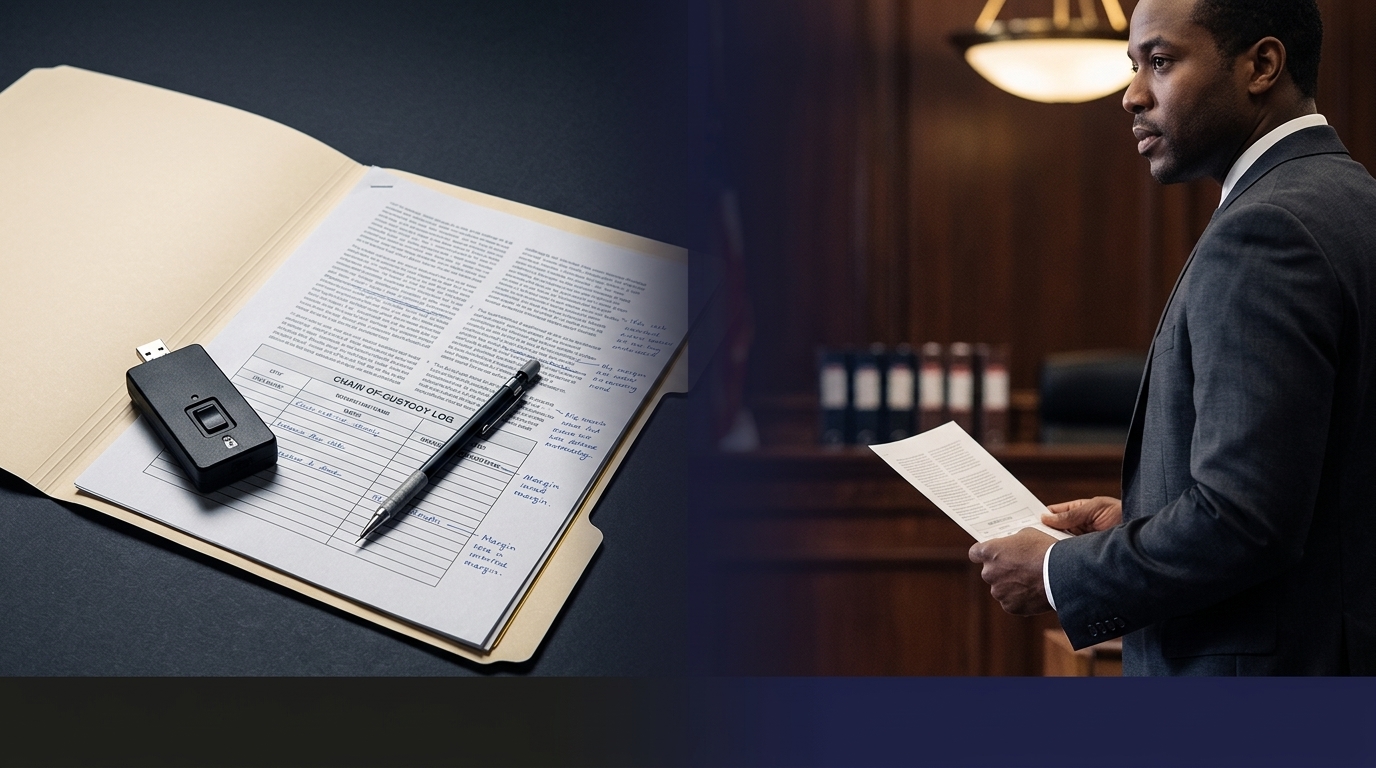
Maintaining a clear chain of custody is vital in digital forensics. It tracks the handling and storage of evidence from collection to presentation in court. A well-documented chain of custody ensures that the evidence remains untampered. Forensic collection methods must be precise and systematic. This meticulous approach ensures that your evidence is both reliable and court-ready.
Preparing for Courtroom Scrutiny
As you prepare for the courtroom, understanding scrutiny standards and honing your presentation skills is crucial. This preparation ensures your testimony withstands the rigor of legal challenges.
Cross-Examination Preparation Techniques
Effective preparation involves anticipating potential questions and challenges. Practice delivering clear, concise answers that reinforce your findings. Focus on the key points that support your case. This preparation builds confidence, allowing you to present your testimony with authority.
Aligning with Daubert and Frye Standards
Understanding legal standards, such as Daubert and Frye, is essential. These guidelines determine the admissibility of expert testimony. Your methods and findings must align with these standards to be considered valid. By adhering to these protocols, you enhance the credibility of your testimony.
Strengthening Expert Witness Credibility
Credibility is the cornerstone of effective expert testimony. It involves presenting your findings with clarity and confidence. Your experience and qualifications contribute to your authority. Demonstrating a deep understanding of the subject matter further reinforces your credibility. This approach ensures that your testimony is both believable and persuasive in court.
Frequently Asked Questions
What makes digital evidence credible in court?
Digital evidence is credible when it is authentic, properly collected, and well-documented. Ensuring that metadata is analyzed and a clear chain of custody is maintained strengthens its credibility.
How can you prepare for cross-examination as an expert witness?
Preparation involves anticipating questions and rehearsing clear, concise answers that reinforce your analysis. Understanding legal standards like Daubert and Frye also helps in presenting admissible testimony.
Why is metadata important in digital forensics?
Metadata provides crucial context about data, such as creation times and modifications. Analyzing metadata helps verify the authenticity of digital evidence, making it a key element in expert testimony.
How does chain of custody affect digital evidence?
A well-documented chain of custody ensures that digital evidence remains unaltered from collection to court presentation. It maintains the integrity of the evidence, reinforcing its credibility.
What are the Daubert and Frye standards?
The Daubert and Frye standards assess the admissibility of expert testimony in court. They evaluate whether the methods and principles underlying the testimony are scientifically valid and relevant to the case.

Comments