Court-Ready from the First Touch: Preserve Metadata, Access History, and Custody

The moment you handle digital evidence without forensic discipline is the moment metadata, access history, and chain of custody start to slip beyond repair. Many legal teams only realize this risk after damage has been done—when files won’t stand up in court or logs lack integrity. This post will show how applying precise forensic collection methods from the very first touch secures evidence you can trust, setting the stage for courtroom readiness and expert testimony. For more information, visit Alethean Group.
First Touch Forensic Handling
Your initial interaction with digital evidence is crucial. It determines whether metadata, access history, and chain of custody remain intact. Let’s explore why these elements are vital for maintaining the integrity of your evidence.
Importance of Metadata Preservation
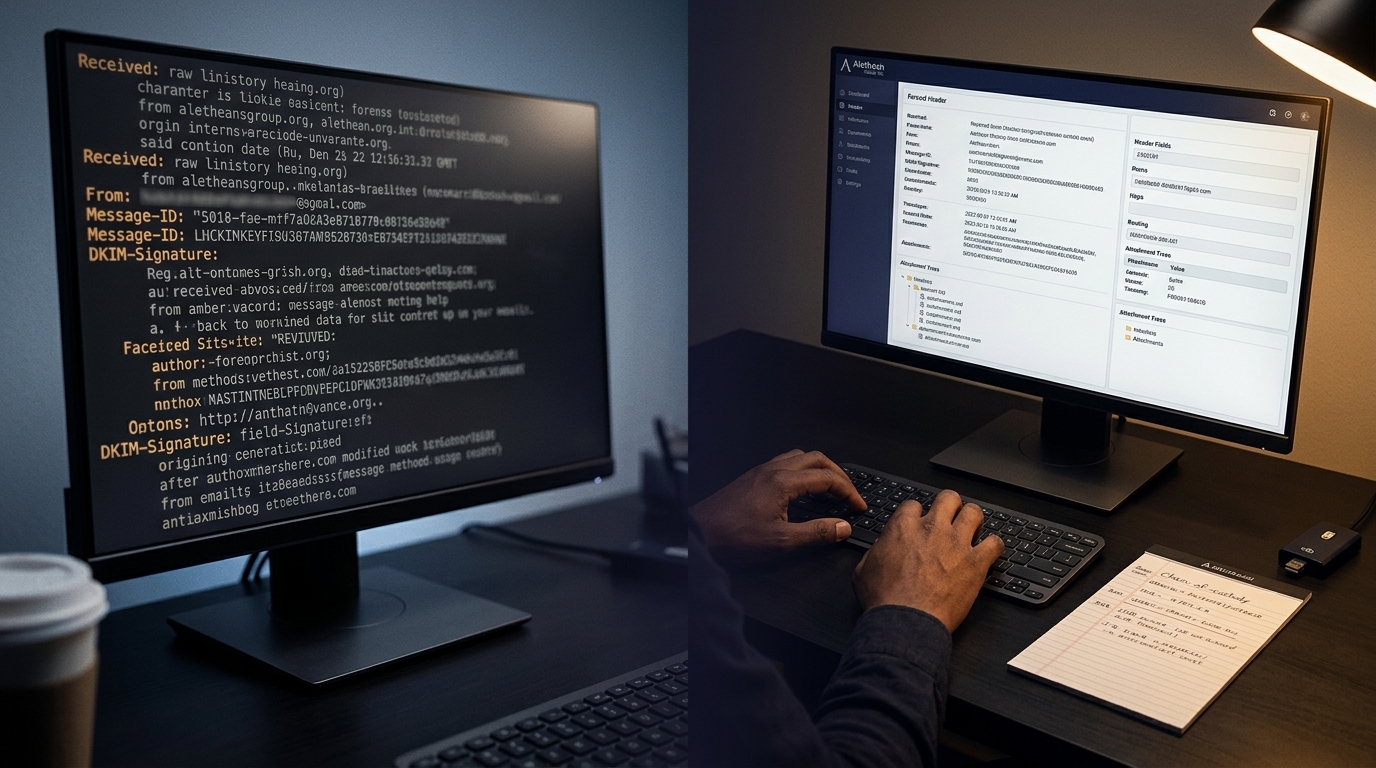
Metadata acts as the digital fingerprint of your evidence. It includes details like creation date, author, and last modified time. When you alter or mishandle files, this data can change, compromising the evidence.
To safeguard metadata, avoid opening files directly. Instead, make copies using forensic tools. This keeps the original data unchanged. Forensic software ensures that every file remains in its original state. Every detail is critical: losing metadata can mean losing a case.
Maintaining Access History Integrity
Access history provides a record of who accessed files and when. This is key in legal scenarios where you need to prove who handled the evidence. Changes here can suggest tampering.
Keep access logs intact by limiting who can view or edit the files. Use secure systems that track access automatically. This ensures a clear and accurate history. Trust in access history is vital: it’s your evidence’s timeline.
Ensuring Chain of Custody
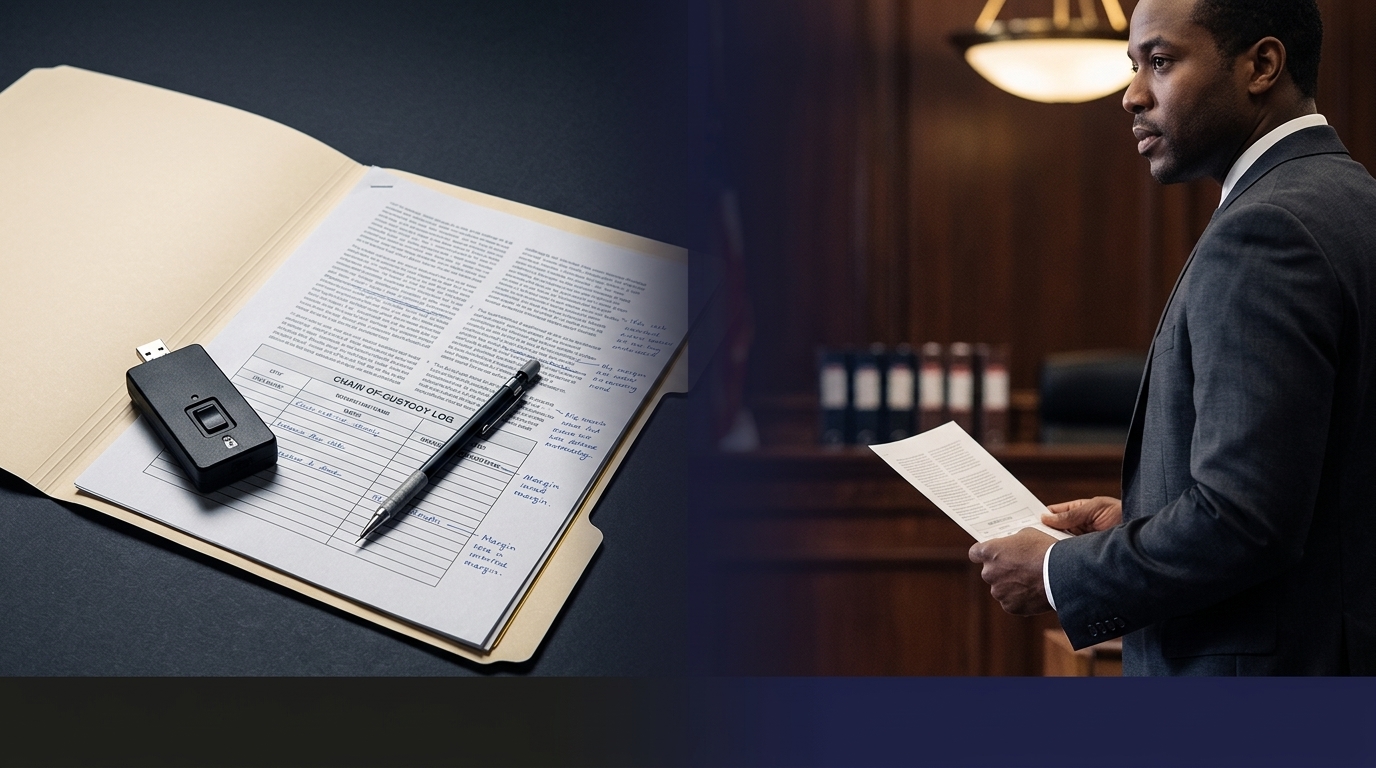
The chain of custody chronicles the evidence's journey from collection to court. Breaks in this chain can render evidence inadmissible. To maintain it, document every handover with precise times and signatures.
Use digital methods, like secure databases, to track custody. This adds another layer of security and accountability. Each link in the chain is important: any gap can weaken your case.
Evidence Collection and Preservation
Now that you understand the importance of initial handling, let's delve into collection and preservation methods. These steps ensure your evidence remains defensible.
Forensic Collection Best Practices
Forensic collection involves gathering evidence without altering it. Always use specialized software and tools. Avoid regular file transfers; these can corrupt data. Instead, rely on forensic copies.
Consider documenting each step of the collection process meticulously. This creates a reliable record for future reference. Precision in collection is key: improper handling can invalidate your evidence.
Role of Forensic Imaging and Write Blockers
Forensic imaging captures an exact replica of your data. It’s like creating a snapshot of your evidence. This allows you to analyze without affecting the original files.
Write blockers prevent accidental changes during examination. They ensure data integrity by blocking any write attempts. Technology aids trust: using the right tools protects your evidence.
Hash Verification and Log Integrity
Hash verification checks that your data remains unchanged. It generates a unique code for your files. Any alteration would change this code, signaling tampering.
Maintain log integrity by using secure logging systems that protect against unauthorized access. Hashing builds confidence: it’s a simple yet powerful way to verify authenticity.
Expert Analysis and Courtroom Readiness
With evidence collected and preserved, focus shifts to expert analysis and courtroom preparation. This is where all the previous steps pay off.
E-Discovery Support and Litigation Hold
E-discovery involves searching digital files for relevant information. During litigation, a hold prevents data alteration or deletion. This ensures all evidence is available for review.
Implement robust e-discovery processes to streamline this phase. Ensure your team understands litigation holds. Preparation is power: being ready means no surprises.
Delivering Expert Testimony
Expert testimony can make or break a case. Experts interpret complex data and present findings clearly. Choose professionals with extensive experience in digital forensics.
Their insights can clarify complex evidence for the court. Expertise adds weight: a skilled testimony can sway opinions.
Alethean Group Cybersecurity Consulting Services
At Alethean Group, we offer tailored cybersecurity consulting services. Our expertise ensures your digital evidence remains secure and court-ready. Trust in our team: we navigate the complexities so you don’t have to.
Frequently Asked Questions
What is metadata and why is it important? Metadata is the data about your data. It includes the file's creation date, author, and last modified time. Preserving it is crucial, as it acts as a digital fingerprint, providing authenticity to your evidence.
How can I maintain access history integrity? To maintain access history, limit who can view or edit files and use systems that automatically track access. This ensures a clear and accurate timeline, crucial for legal scenarios.
Why is the chain of custody important in legal cases? The chain of custody documents the evidence's journey from collection to court. Any breaks can render evidence inadmissible, so each handover must be meticulously recorded to maintain its integrity.
For a deeper dive, explore US Legal Support's Guide on Digital Evidence and Chain of Custody Steps.

Comments