Why Logging Needs Formal Policy Support Before the Audit

An audit can turn your routine logging into a liability if it lacks formal policy support. Many teams treat logging as a technical setting, not a documented control, leaving gaps in retention, access, and accountability exposed. Defensible logging depends on clear rules for retention, access governance, and log review cadence. This post explains why written logging policy matters before an audit demands proof. For more insights, see this guide on security log retention best practices.
The Need for Defensible Logging
A secure logging system requires more than just saving data. It needs structured policies to withstand scrutiny.
Risks of Informal Logging Practices
Skipping formal policies can leave your logs vulnerable. Without clear guidelines, the data may become inconsistent or unreliable. Imagine an audit discovering gaps in your system because there was no set procedure. This leaves room for unauthorized access and data tampering. A proper logging policy helps you avoid these pitfalls by providing a clear framework for managing logs consistently.
Importance of Audit-Ready Policies
Preparing your logs for an audit means having solid policies in place. These policies should define how long you keep data and who can access it. This helps prevent data loss and ensures your logs are trustworthy. Having clear policies also speeds up the audit process, making it less stressful for your team. You can ensure your practices meet regulatory standards by following audit log best practices.
Logging as a Documented Control
Treat your logging system like a documented control. This means having written rules that dictate how logs are handled. Such documentation is crucial for proving compliance during an audit. It also helps maintain accountability within your team. Your logs become a reliable source of truth, capable of holding up under scrutiny.
Building a Robust Logging Policy
Creating a strong logging policy involves several key elements. Each part works together to ensure your data is secure and accessible.
Key Elements of a Log Retention Policy
A solid log retention policy outlines how long you keep your logs. This is important for both compliance and data management. Too short a retention period might mean losing critical information; too long could lead to unnecessary data storage costs. Define your retention timelines clearly to avoid these issues. This helps strike the right balance between data availability and cost-effectiveness. Visit this HIPAA compliance guide for more information on setting retention periods.
Access Governance and Accountability
Access governance ensures that only authorized personnel can view or modify logs. This is crucial for maintaining data integrity. Set up clear access controls and regularly review them. This prevents unauthorized access and keeps your data secure. Make sure your team knows who is responsible for log management. Accountability is key to a successful logging policy.
Establishing a Reliable Log Review Cadence
Regular log reviews help catch issues before they become problems. Establish a schedule for reviewing logs and stick to it. This ensures that your data stays accurate and up-to-date. Regular reviews also help identify patterns or anomalies that might indicate a security threat. By keeping a reliable log review cadence, you can maintain a proactive approach to data security.
Preparing for Audit Readiness
Being ready for an audit involves more than just having data on hand. It means ensuring that your logs are organized and easily accessible.
Ensuring Evidence Integrity and Chain of Custody
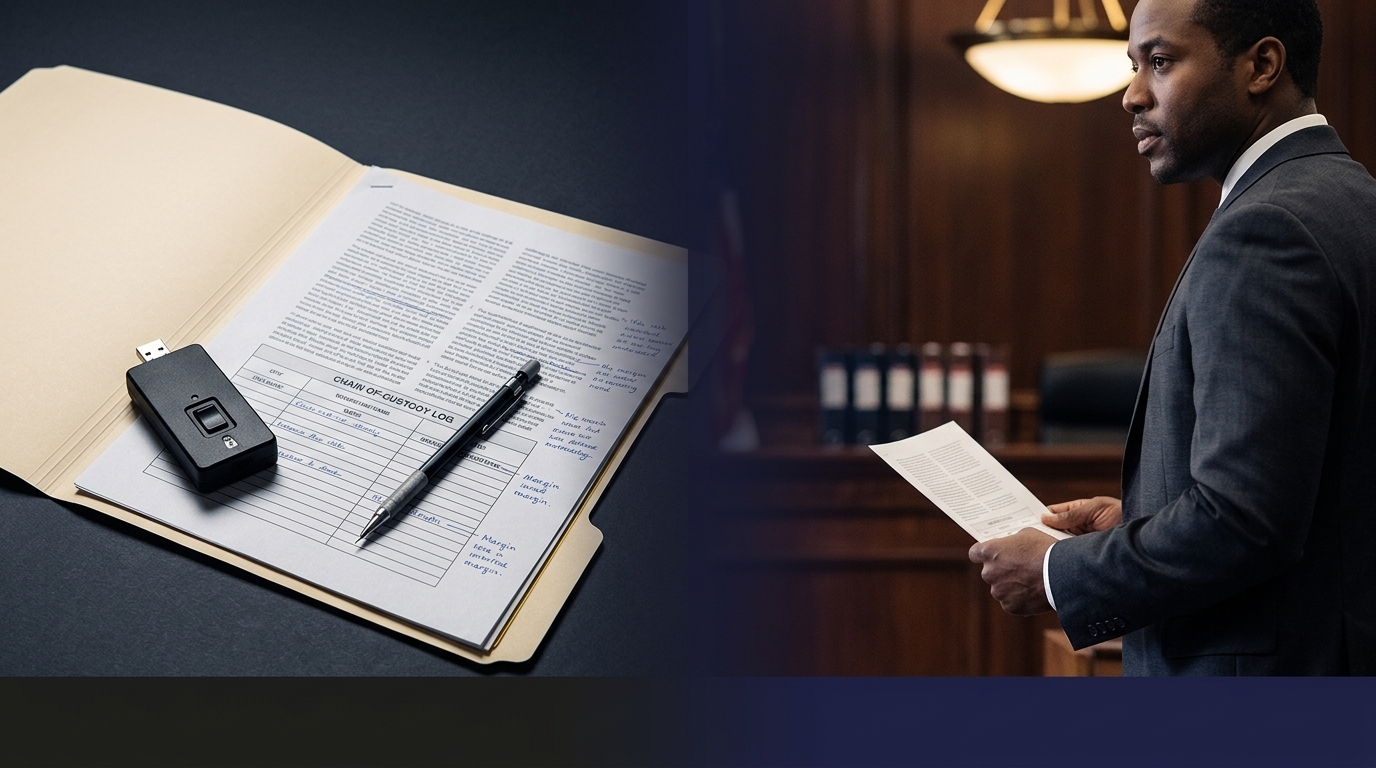
Maintaining the integrity of your logs is crucial for audits. This means keeping a clear chain of custody for your data. Document every change to your logs, including who made it and why. This transparency builds trust in your data. It also makes it easier to prove compliance during an audit. Learn more about maintaining evidence integrity.
Role of SIEM Governance in Logging
Security Information and Event Management (SIEM) systems play a key role in log management. They help automate the collection and analysis of log data. This makes it easier to monitor for threats and maintain compliance. Implementing SIEM governance ensures that your logging practices are efficient and effective. It also simplifies the audit process by providing comprehensive data views.
Benefits of Expert Testimony and Compliance Documentation
Expert testimony can support your logging practices during an audit. It provides an external validation of your systems and controls. Additionally, having detailed compliance documentation helps streamline the audit process. This documentation should include your logging policies and procedures. With expert testimony and proper documentation, your organization can demonstrate its commitment to best practices. For more information on compliance documentation, refer to this system monitoring guide.
Logging without a formal policy is risky. By implementing structured policies, you ensure your data's integrity and readiness for audits.


Comments