Trust Data Security, Then Build Courtroom Defensibility: Collect, Preserve, Document

Most digital evidence loses its value before a case ever reaches the courtroom. The earliest steps—collection, preservation, and documentation—are the foundation of evidence defensibility. When handled with precision, your digital data supports litigation, compliance, and expert testimony without question. This post walks you through how disciplined forensic processes build trustworthy proof you can rely on when the stakes rise. For more information, you can explore this guide on digital evidence admissibility.
Building Courtroom Defensibility
Digital Forensics as a Foundation
Digital forensics forms the backbone of courtroom defensibility. It's about ensuring every piece of digital evidence is reliable and admissible, laying the groundwork for a solid legal strategy.
Digital forensics is not just about finding evidence; it's about creating a trail of trust. Each step, from data acquisition to analysis, requires precision. This discipline ensures that what you present in court is unassailable. When you understand the processes and techniques involved, you can make informed decisions that strengthen your case.
Evidence Defensibility from the Start
Start strong with evidence that stands up in court. The key is in how you collect and handle it from the beginning.
The initial handling of evidence is crucial. Many cases falter because of poor initial decisions. Properly collected evidence maintains its integrity throughout the legal process. This means using the right tools and methods to ensure accuracy and reliability. As you set out to gather data, remember that every touchpoint matters. Each action taken can affect its admissibility.
Importance of Early Handling Decisions
Your first steps with evidence determine its future in court. Early handling decisions are often the weakest link.
From the outset, every choice impacts the defensibility of evidence. Consider the importance of metadata and the chain of custody. These elements are not just technical details—they are the pillars that support your case in court. By focusing on these aspects early on, you minimize risks. The goal is to maintain a clear and unbroken chain of evidence from discovery to courtroom presentation.
The Evidence Lifecycle
Forensic Collection Techniques
Forensic collection is your first critical step. It's about using precise methods to gather data that holds up in court.
Appropriate collection techniques ensure that digital evidence remains untampered. Tools like forensic imaging capture exact replicas of data, preserving every byte. This step is vital for maintaining the accuracy and integrity of the information. It's not just about what you find; it's about ensuring what you find can be trusted. As you gather evidence, remember that meticulousness here sets the stage for your entire case.
Metadata and Chain of Custody
Metadata and the chain of custody are your defensive tools. They authenticate and track evidence throughout its lifecycle.
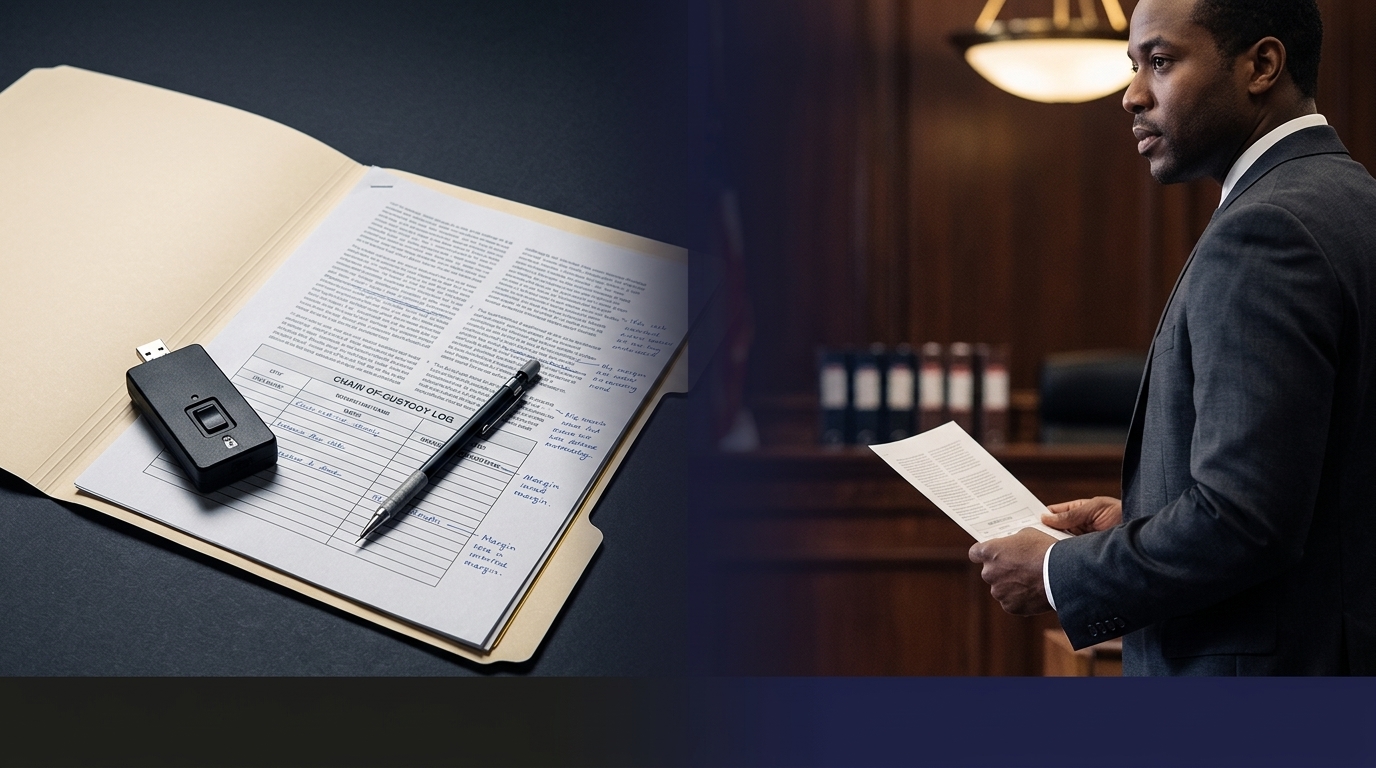
Metadata provides context, showing when and how data was created or altered. It's vital for verifying authenticity. Meanwhile, the chain of custody documents who handled the evidence and when. These records are crucial for maintaining trust and transparency. Every move must be logged to prevent gaps that can undermine your case. By managing these elements carefully, you reinforce the credibility of your evidence.
Secure Data Preservation Protocols
Preserving data securely is non-negotiable. It ensures your evidence remains unchanged and reliable throughout the legal process.
Secure preservation involves using techniques that protect data from tampering or loss. This might include encryption methods or controlled access storage. By implementing robust preservation protocols, you safeguard the integrity of your evidence. This step is crucial for ensuring that data remains just as it was when first collected. It's about maintaining a direct line from collection to courtroom, unbroken and trustworthy.
Documentation and Legal Readiness
Audit Trail and Documentation Standards
An audit trail is your evidence's story. It documents every step taken, supporting admissibility in court.
Keeping detailed records of the evidence lifecycle is essential. An audit trail shows each action, from collection to analysis. This documentation supports your case by proving that all processes were followed correctly. Adhering to established standards ensures that your documentation is both thorough and credible. Without it, you're left with gaps that can be exploited in court.
Preparing for Expert Testimony
Expert testimony is where your evidence gets tested. Proper preparation ensures you present it with confidence.
Preparing for expert testimony involves understanding both the evidence and how it fits into your legal strategy. Experts need comprehensive documentation and a clear understanding of the case context. They translate the technical details into relatable terms for the court. By equipping them with all necessary information, you strengthen your position, making complex evidence accessible and persuasive.
Reducing Spoliation Risk
Spoliation risk is an ever-present threat. Reducing it is about careful handling and strict protocols.
Spoliation refers to the alteration or destruction of evidence. To avoid this, follow strict guidelines for evidence preservation and documentation. This includes limiting access to authorized personnel and maintaining an unbroken chain of custody. By reducing spoliation risks, you ensure that your evidence remains credible and admissible, ready to withstand scrutiny in court.
Frequently Asked Questions
What is digital forensics? Digital forensics involves collecting, preserving, and analyzing digital data to support legal cases. It's crucial for ensuring evidence is reliable and admissible in court.
Why is the chain of custody important? The chain of custody tracks who handled evidence and when. It's essential for verifying that evidence hasn't been tampered with, maintaining its integrity in legal proceedings.
How do you preserve digital evidence securely? Secure preservation involves using encryption and controlled access storage to protect data from tampering. This ensures that evidence remains unchanged from collection to courtroom presentation.
What does metadata reveal about evidence? Metadata provides context, showing details like when data was created or modified. It's vital for proving authenticity and supporting evidence in court.
How can I prepare for expert testimony? Preparing involves providing experts with comprehensive documentation and context. This allows them to explain technical details clearly and persuasively in court.


Comments