Plan as Evidence: Preserve Chain of Custody and Authenticity—Not Just Speed

Too many investigations fail long before court because their collection plans chase speed over defensibility. When shortcuts break the chain of custody or metadata preservation, your digital evidence authenticity crumbles. A well-crafted plan protects every step, documenting what was handled, when, and by whom—so your case stays strong from acquisition through expert witness testimony. Let’s explore why rushing your digital forensics plan risks more than time—it risks your credibility. For more insights on this topic, you may find this resource helpful: Digital Evidence Chain of Custody: Navigating New Realities of Digital Forensics.
The Importance of Chain of Custody
Establishing a solid chain of custody is critical in digital forensics, ensuring that evidence remains credible throughout the investigation process. This section highlights why maintaining control over every step is more valuable than speed.
Risks of Speed Over Accuracy
When speed is the priority, accuracy often suffers. Rushing through evidence collection can lead to mistakes that jeopardize the entire case. For example, skipping steps in the acquisition process might result in missed data or corrupted files. These errors provide opportunities for opposing parties to question the integrity of the evidence. It's crucial to take deliberate actions that ensure the evidence is collected and stored correctly. This careful approach helps maintain the credibility of the evidence, which is essential for legal proceedings.
Protecting Digital Evidence Authenticity
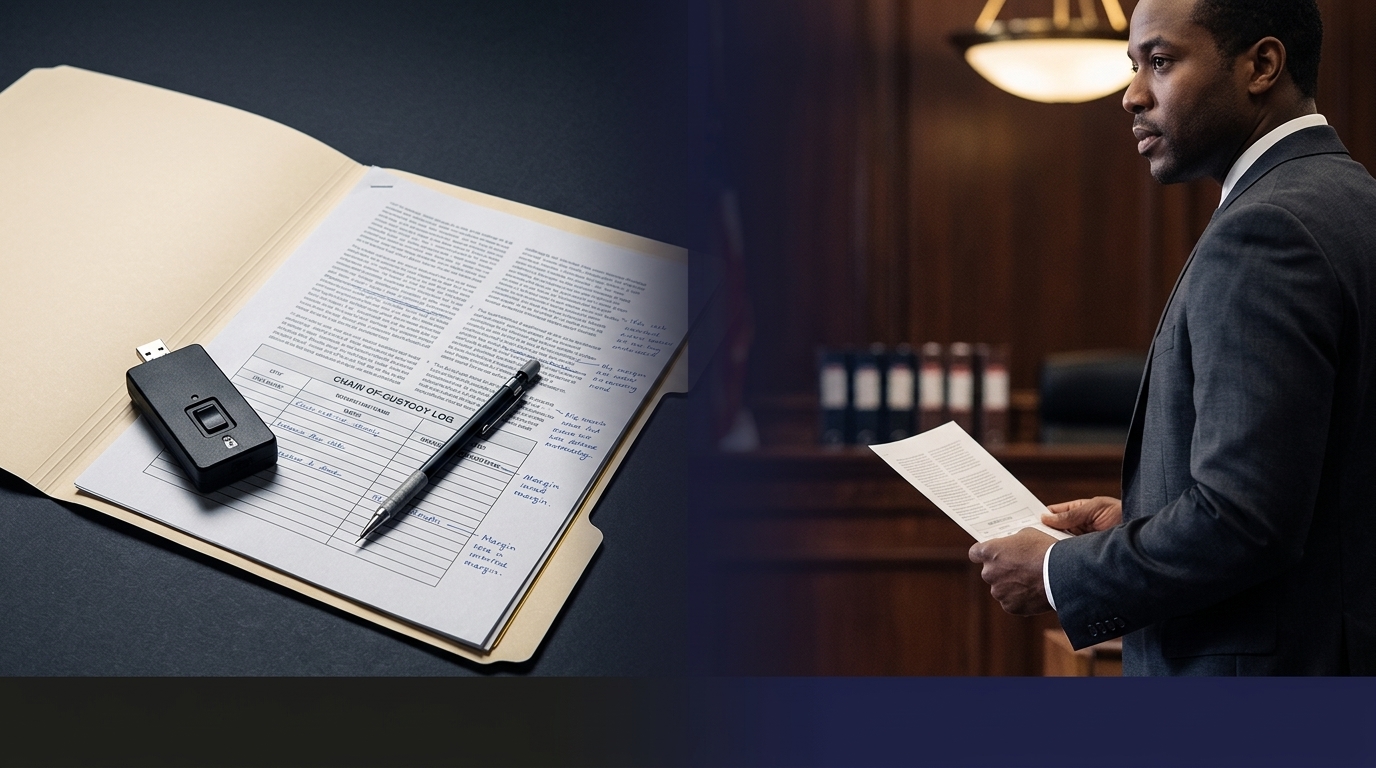
Authenticity is key in digital investigations. If any part of the evidence is altered, it could be dismissed in court. To protect authenticity, every action taken during the investigation must be documented. This includes who handled the evidence, when it was accessed, and any changes made. By keeping a detailed log, you can demonstrate that the evidence has not been tampered with. This transparency builds trust and reinforces the validity of the digital evidence in legal contexts.
Crafting a Defensible Collection Plan
A well-defined collection plan ensures that all evidence is gathered systematically and preserved for future analysis. This section delves into how to create such a plan.
Metadata Preservation Strategies
Metadata is the backbone of digital evidence. It provides context, such as when a file was created or last modified. Preserving metadata accurately ensures the evidence remains intact and credible. One effective strategy is to use tools that automatically capture and store metadata during the collection process. This minimizes the risk of losing crucial information. Additionally, it's important to regularly verify that metadata remains unchanged throughout the investigation. This ongoing verification process helps maintain the integrity of the evidence.
Ensuring Forensic Imaging Integrity
Forensic imaging creates exact copies of digital data, preserving every detail for analysis. Integrity is paramount in this process. To ensure accurate imaging, use verified tools and methods that produce reliable results. Always verify the image against the original data to confirm its accuracy. Any discrepancies should be documented and addressed promptly. By maintaining high standards for forensic imaging, you can help ensure that digital evidence is both reliable and admissible in court.
Expert Witness Testimony and Litigation Readiness
Preparing for court involves more than just collecting evidence; it requires ensuring that evidence is ready to withstand legal scrutiny. This section explains how to achieve this readiness.
Ensuring Courtroom Defensibility
In court, every piece of evidence must withstand intense examination. Courtroom defensibility means having documentation that supports the evidence's integrity and authenticity. This includes detailed records of the collection process and any analyses performed. By preparing comprehensive documentation, you equip your legal team to defend the evidence confidently. This preparation can make a significant difference in the outcome of a case, as it demonstrates the reliability of the digital evidence.
The Role of Audit Trail Documentation
An audit trail provides a clear record of all actions taken with the evidence. Creating a detailed audit trail is vital for demonstrating how evidence was handled from start to finish. This documentation shows who accessed the evidence, what changes were made, and when those changes occurred. By maintaining a thorough audit trail, you provide a transparent view of the investigation process. This transparency reassures the court of the evidence's integrity and supports the overall credibility of the case.
Frequently Asked Questions
What is the chain of custody in digital forensics? The chain of custody refers to the process of documenting the handling of evidence from collection to presentation in court. It ensures that the evidence remains intact and credible throughout the investigation.
Why is metadata preservation important in digital investigations? Metadata provides crucial contextual information about digital files, such as creation and modification dates. Preserving metadata ensures that this information remains accurate and trustworthy, which is essential for legal proceedings.
How can forensic imaging integrity be maintained? Forensic imaging integrity can be maintained by using verified tools and methods to create exact copies of digital data. It's also important to regularly verify the accuracy of these images against the original data.
What role does an audit trail play in litigation readiness? An audit trail documents all actions taken with evidence, providing a transparent view of the investigation process. It helps demonstrate the integrity and authenticity of the evidence in court.
How can I ensure my digital evidence is admissible in court? To ensure digital evidence is admissible, maintain a strong chain of custody, preserve metadata, create reliable forensic images, and keep a detailed audit trail. These steps help demonstrate the evidence's integrity and authenticity.


Comments