Myth-Busting eDiscovery: The Checklist Workflow That Controls Cost and Risk

July’s fast pace pushes legal teams to act quickly on eDiscovery. Rushing through collection and preservation often leads to costly errors and gaps that undermine review readiness. A checklist-driven workflow, grounded in forensic soundness, keeps you on track—protecting budget and preserving metadata while delivering court-ready evidence. This post breaks down how a clear, repeatable process controls risk and saves time before late-summer hearings. For more insights on eDiscovery practices, visit this article.
Streamlining eDiscovery with Checklists
A checklist-driven workflow is your best ally during the hectic summer months. It ensures you capture all details without leaving room for costly errors.
The Summer Pressure Dilemma
When July arrives, legal teams face the challenge of swiftly moving through eDiscovery tasks. Rushing often leads to overlooked details, which can compromise the entire process. This is where a well-structured checklist becomes essential. It acts as a guide that ensures nothing is missed, helping you stay organized and focused.
Checklist Discipline in Action
Implementing a checklist means you won't skip crucial steps. Begin by outlining each phase of your eDiscovery process. From initial data collection to final review, every stage should have clear actions listed. This prevents errors, saving you time and money later. A checklist is not just about ticking boxes; it's about maintaining a disciplined approach throughout.
Benefits of a Structured Workflow
With a structured workflow, you gain several advantages. First, you have a reliable process that leads to consistent results. Second, a checklist reduces stress, knowing that each step is accounted for. Lastly, this method ensures you deliver court-ready evidence without the last-minute rush.
Common eDiscovery Pitfalls
Even with best intentions, eDiscovery teams often encounter pitfalls that can jeopardize their efforts. These missteps commonly arise from inconsistencies, lack of preservation, and risks during review readiness.
Inconsistencies in Collection
Inconsistencies during the data collection phase can spell disaster. If data is gathered haphazardly, you risk losing valuable information. Ensure your team follows a standardized approach. Clearly define what data needs to be collected and where it resides. This uniformity prevents gaps and strengthens your case from the outset.
Challenges in Preservation
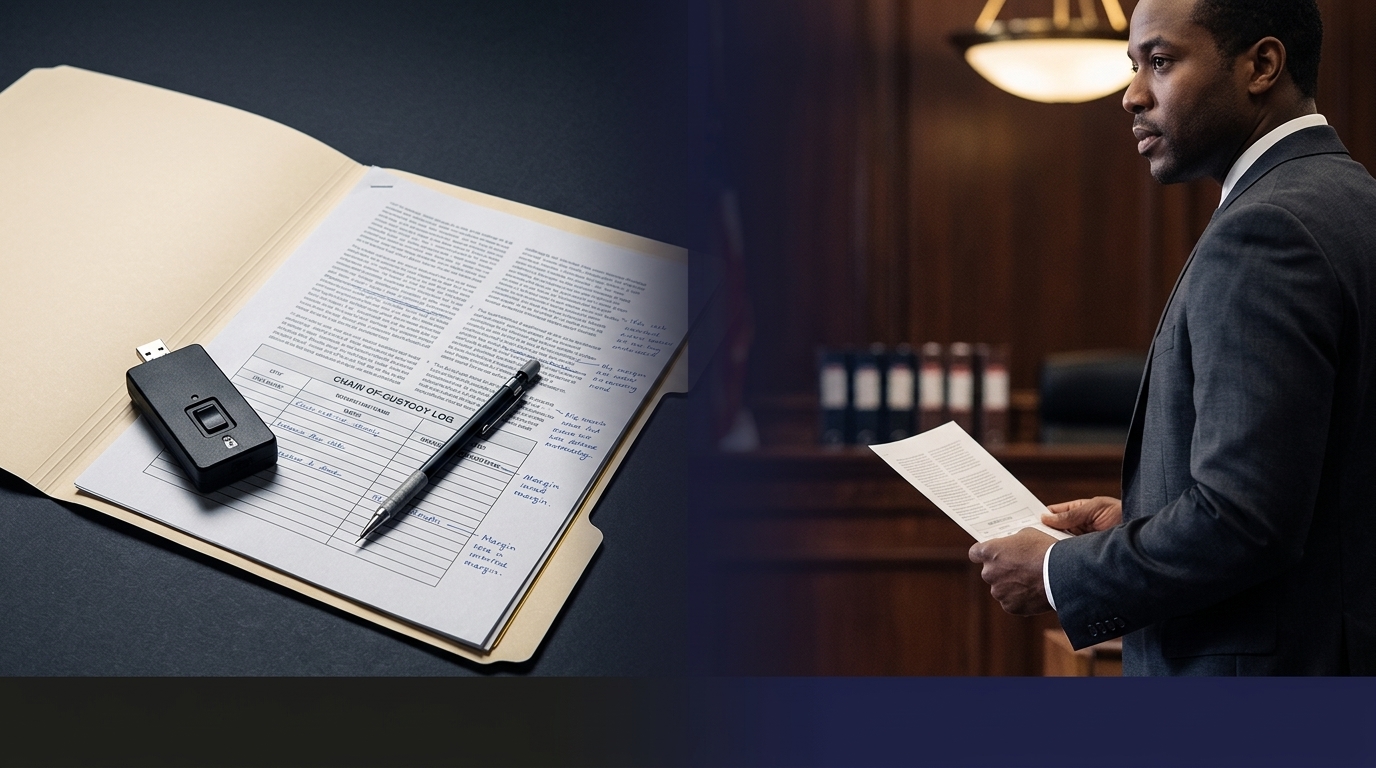
Preservation challenges often occur when teams don't follow strict protocols. It's crucial to document every action taken. This documentation serves as your audit trail, proving the integrity of your process. Preserving metadata is vital, as it maintains the authenticity of your evidence.
Risks During Review Readiness
Review readiness is where many teams falter. If your data isn't organized, you'll face delays and increased costs. A checklist helps you manage this phase efficiently. By categorizing data and prioritizing tasks, you ensure that everything is in place for a smooth review process.
Gaining Control and Confidence
Achieving control over your eDiscovery process boosts confidence. By adhering to forensic soundness and maintaining cost control, you set the stage for successful outcomes.
Forensic Soundness and Cost Control
Forensic soundness is non-negotiable. It involves meticulous documentation and adherence to best practices. By maintaining this standard, you protect the integrity of your evidence. Additionally, a checklist-driven approach helps control costs by minimizing errors and rework, ultimately preserving your budget.
Ensuring Litigation Readiness
Litigation readiness hinges on thorough preparation. With a checklist, you're equipped to handle any situation. This tool ensures you've covered all bases, from data collection to review preparation. As a result, you can approach litigation with confidence, knowing you're prepared for whatever comes your way.
Expert Testimony and Trustworthiness
Your credibility in court relies on the quality of your evidence. By following a structured workflow, you deliver evidence that stands up to scrutiny. This bolsters your reputation and ensures trustworthiness, which is crucial for expert testimony.
Frequently Asked Questions
What is the benefit of using a checklist in eDiscovery? A checklist ensures consistency and thoroughness in the eDiscovery process. It helps prevent errors, saves time, and controls costs, ultimately leading to court-ready evidence.
How does a checklist help in maintaining forensic soundness? A checklist guides you through the necessary steps to document actions and preserve metadata, ensuring the integrity and authenticity of your evidence.
What should be included in an eDiscovery checklist? An eDiscovery checklist should cover data collection, preservation, and review readiness. It should include specific actions for each phase, ensuring nothing is overlooked.
How can a checklist reduce costs in eDiscovery? By minimizing errors and rework, a checklist-driven process helps control costs. It streamlines tasks and ensures efficient resource use, ultimately protecting your budget.
Why is preserving metadata important in eDiscovery? Preserving metadata maintains the authenticity and integrity of your evidence. It provides an audit trail and supports the credibility of your findings in court.


Comments