Meticulous Data Mapping and End-to-End Metadata Preservation: How Digital Evidence Survives Courtroom Scrutiny

When evidence faces courtroom scrutiny, uncertainty can overwhelm legal teams. Digital files alone don’t guarantee admissibility or trust. Meticulous data mapping and end-to-end metadata preservation create a clear, defensible chain of custody that withstands challenge. This blog reveals how disciplined handling turns fragile digital evidence into reliable proof you can stand behind with confidence. For further insights, explore this guide on digital evidence preservation.
The Pressure of Courtroom Scrutiny
In court, the pressure to prove the reliability of digital evidence can be immense. Legal teams need assurance that their evidence is beyond reproach from the onset.
Common Failure Points in Digital Evidence
One major pitfall is the mismanagement of digital files. If evidence is not collected correctly, it may be challenged or deemed inadmissible. For instance, an inconsistent chain of custody can lead to questions about the evidence's integrity. This happens when documentation is incomplete or when there are gaps in tracking who handled the evidence and when.
Another issue is not preserving the original condition of digital evidence. If data is altered, even unintentionally, it can be dismissed in court. Forensic imaging is crucial here as it creates an exact copy of the digital evidence, ensuring the original remains untouched. Understanding these failure points helps in creating strategies to overcome them, ensuring that evidence remains valid and trustworthy.
The Role of Metadata in Evidence Validation
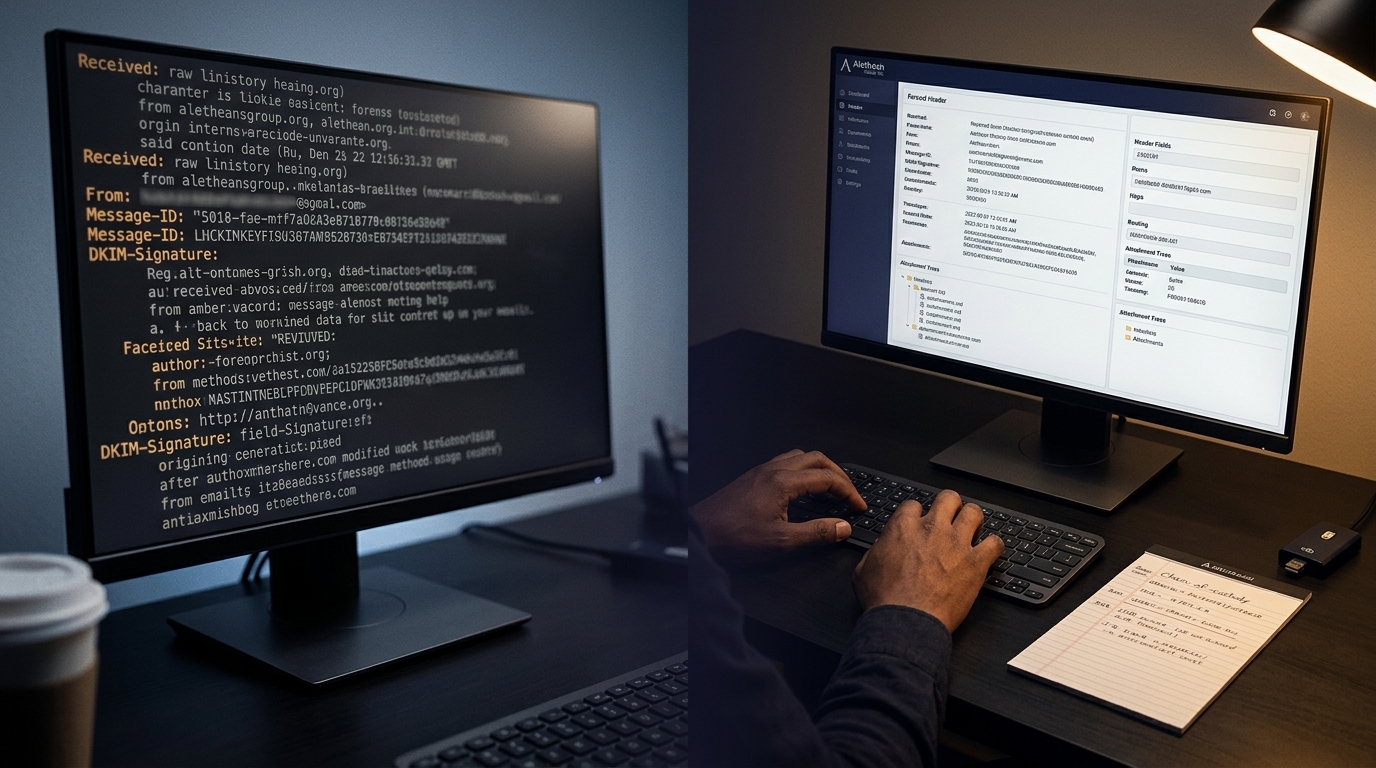
Metadata acts as a digital footprint, recording details like time, date, and file changes. It provides the context needed to authenticate evidence, playing a pivotal role in its validation. Consider a scenario where a file’s creation date is crucial to a case. If metadata shows discrepancies, it might suggest tampering or errors, casting doubt on its validity.
Maintaining metadata integrity is essential. This includes ensuring that timestamps reflect the correct time zone and that all file interactions are logged. By doing so, you establish a reliable audit trail that supports the evidence's credibility. Check out this resource for more on best practices in preserving digital evidence.
Defensible Collection and Data Mapping
To withstand scrutiny, evidence must be collected and mapped carefully. This process ensures every digital interaction is accounted for.
Ensuring Chain of Custody Integrity
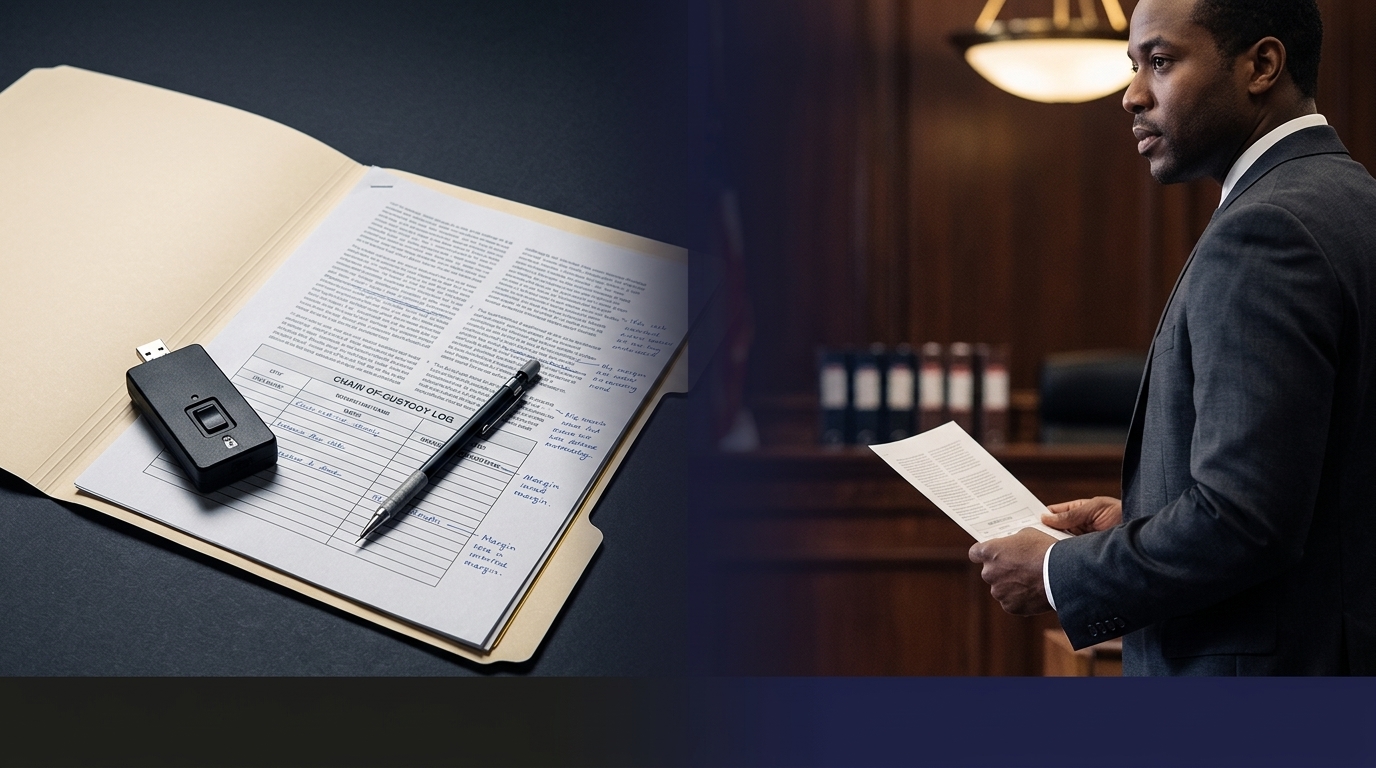
A well-documented chain of custody is critical. It traces who accessed the evidence and when, offering a transparent timeline. Without this, the evidence could be easily contested. Imagine a case where data was accessed by unauthorized personnel; this could invalidate the evidence. Proper documentation, including detailed logs and access records, safeguards the integrity of the chain.
Maintaining this chain requires vigilance at each step, from collection to presentation in court. Every handoff should be recorded. By doing so, you uphold the evidence's credibility. For more insights, see this article on digital evidence preservation.
Forensic Imaging and Timestamp Preservation
Forensic imaging involves creating a bit-by-bit copy of digital evidence, ensuring no alterations occur. This preserves the original data in its entirety. Timestamp preservation is equally important. It ensures that all digital activities reflect accurate times, crucial when reconstructing events.
Timestamps must be consistent across all devices and systems. Without consistency, the evidence could be challenged for inaccuracies. By preserving these elements, you protect the integrity of the evidence, making it defensible in court.
The Impact of Expert Witness Testimony
Expert witnesses can tip the scales in favor of the evidence by explaining its context and validity.
Navigating Complex Evidence Authentication
Expert witnesses help demystify complex digital evidence. They articulate how evidence has been preserved and authenticated. This clarity is vital. Consider a situation where technical jargon confuses a jury. An expert can bridge that gap, ensuring understanding.
Their testimony often includes explaining the provenance and ensuring that all steps adhere to forensic standards. By doing so, they lend credibility to the entire process, reinforcing the evidence's authenticity.
Building Confidence with Provenance and Audit Trails
The combination of provenance and a solid audit trail strengthens confidence in the evidence. Provenance details the history of the evidence, showcasing its journey from collection to court. An audit trail logs every interaction, ensuring nothing is overlooked.
This transparency is crucial. It helps legal teams demonstrate that evidence handling was meticulous and above board, reducing the risk of successful challenges. For further reading on admissibility, consider this research on digital evidence and courts.
Frequently Asked Questions
What is metadata, and why is it important in court?
Metadata is the background information on a digital file, such as time, date, and alterations. It’s critical in court because it authenticates the evidence, ensuring its integrity and reliability.
How can a chain of custody impact a legal case?
A chain of custody documents every person who handled the evidence, providing a timeline and proof of integrity. If it's broken, the evidence might be considered unreliable and inadmissible.
Why is forensic imaging necessary?
Forensic imaging creates an exact copy of the digital evidence, preserving its original state. This ensures that the evidence remains unaltered and reliable for court proceedings.
What role does an expert witness play in digital evidence cases?
Expert witnesses interpret complex digital evidence for the court, explaining how it was gathered and preserved. Their insights help validate the evidence, making it more persuasive to judges and juries.
How does provenance contribute to evidence validation?
Provenance tracks the history of the evidence, detailing its origin and journey. Coupled with an audit trail, it provides transparency and assurance of the evidence's authenticity and integrity.

Comments