Forensic handling protects metadata, access history, and custody from the start so your evidence can stand up in court.

You may already face a critical moment: digital evidence is in motion, and every action risks altering metadata, access history, or chain of custody. Early handling decisions shape whether your evidence holds up under scrutiny or falls apart. In digital forensics, preserving evidence with forensic discipline from the first touch protects the details that make it admissible and trustworthy. This article outlines how careful preservation strengthens your legal position before questions of authenticity arise. For more insights, check out this digital chain of custody guide.
Importance of Forensic Handling
Protecting Metadata from the Start
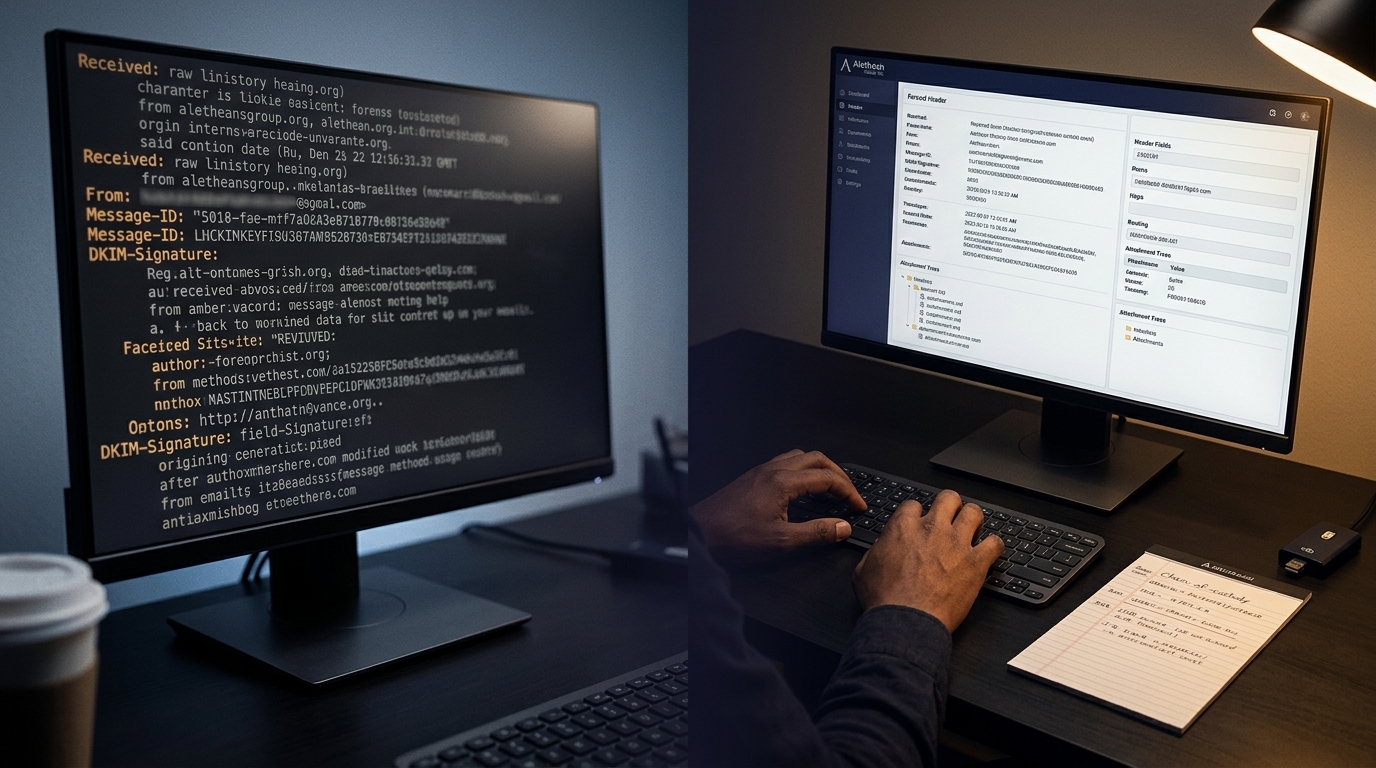
When dealing with digital evidence, the first step is crucial. Metadata is the digital fingerprint of a file, revealing when and how it was created or modified. If altered, it can compromise the integrity of the evidence. To preserve metadata, it's essential to minimize unnecessary handling. Using tools like write-blockers can prevent accidental changes. These tools act as a barrier, ensuring no new data is written to the device. By doing so, you maintain the original state of the evidence, giving it a higher chance of being admitted in court.
Ensuring Access History Integrity
Access history tells you who interacted with the evidence. This record is vital in proving that the evidence hasn't been tampered with. One way to safeguard access history is by using secure logging methods. Every interaction should be documented, creating a clear audit trail. This helps in building a strong case, as it can be demonstrated that the evidence was handled correctly. Without proper logging, it's challenging to verify the chain of access, which can lead to disputes about the evidence's authenticity.
Maintaining Chain of Custody
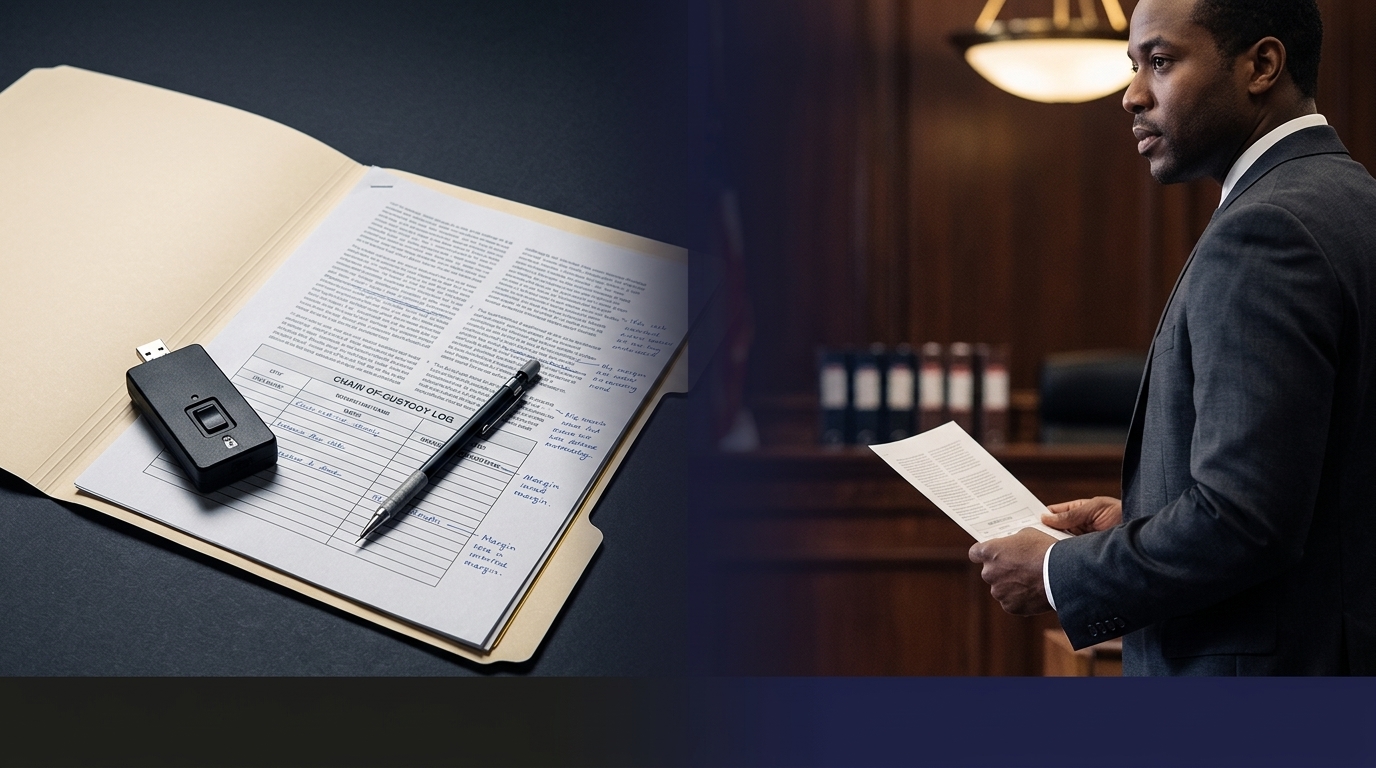
The chain of custody is the cornerstone of evidence integrity. It tracks the evidence from the moment it is collected until it is presented in court. Each handoff should be documented meticulously. A broken chain of custody can render evidence inadmissible. To maintain this chain, use a systematic approach. Record every transfer, including the person's name, date, and time. This process ensures that the evidence remains untampered and credible. For more information, check out this article on chain of custody best practices.
Common Myths in Evidence Preservation
Misconceptions about Metadata
Many believe that metadata is only relevant for technical experts. In fact, it plays a crucial role in legal proceedings. Metadata provides essential insights into the authenticity of digital evidence. It's easy to assume that metadata won't change, but even minor interactions can alter it. Preserving it requires careful handling from the start. By understanding its importance, you can avoid potential pitfalls and ensure that your evidence remains untarnished.
The Truth About Access History
Some think access history is only about who accessed the evidence. However, it also includes when and how it was accessed. This information is crucial for ensuring evidence hasn't been compromised. It's a myth that access history is foolproof. Without proper measures, unauthorized changes can occur. Secure logging and regular audits are necessary to keep this history intact. Learn more about digital forensics for legal teams.
Chain of Custody Fallacies
A common misunderstanding is that the chain of custody is only a procedural formality. In reality, it's a vital part of evidence integrity. Each link in the chain must be unbroken and verifiable. Any weak link can lead to questions about the evidence's authenticity. It's not just about having paperwork—it's about ensuring every transfer is documented and justified. This diligence helps in defending the evidence's credibility during legal scrutiny.
Steps for Secure Evidence Handling
Immediate Actions to Take
When evidence is discovered, the first actions are critical. Avoid unnecessary handling, as each touch can alter crucial details. Isolate the device to prevent further data changes. Document the scene and start a log immediately. These initial steps set the foundation for maintaining evidence integrity throughout the investigation.
The Role of Forensic Imaging
Forensic imaging creates an exact replica of digital evidence. This allows investigators to analyze data without altering the original. Use forensic imaging to preserve data safely. It's a powerful tool for ensuring evidence remains untampered. By working with a copy, you protect the original from potential damage during analysis. To understand the importance of preservation, visit this resource.
Ensuring Evidence Integrity
Evidence integrity is about maintaining the original state of digital data. Consistent documentation, secure storage, and limited access are key. Regular audits help identify any discrepancies early. By following these steps, you ensure that your evidence can withstand legal scrutiny. The longer you wait to secure evidence, the higher the risk of compromise. Act quickly to preserve the integrity of your digital assets.
Frequently Asked Questions
What is digital forensics? Digital forensics involves the recovery and investigation of material found in digital devices. It is crucial for uncovering evidence in legal cases. Experts analyze data to uncover hidden truths and support litigation.
Why is metadata preservation important? Metadata provides detailed information about a file's history, including its creation and modification. Preserving this data is essential for maintaining evidence authenticity in legal proceedings.
How can I maintain a chain of custody? Maintain a chain of custody by documenting every transfer of evidence. Record details such as the person's name, date, and time of transfer. This ensures that the evidence remains credible and can be used in court.
What should I do if I discover digital evidence? If you discover digital evidence, avoid unnecessary handling. Isolate the device, document the scene, and start a log. These steps help in preserving the evidence's integrity.
What role does forensic imaging play? Forensic imaging creates an exact replica of digital evidence, allowing investigators to analyze data without altering the original. This process is vital for maintaining evidence integrity during analysis.

Comments