Digital Forensics Tools That Preserve Context: Start January With Verified Truth

The quiet pressure of January’s first days weighs heavily on decision-makers. When digital evidence arrives altered or mishandled, uncertainty takes hold fast. Your choice of digital forensics tools shapes whether evidence stays intact or loses credibility. This guide names key tool categories that preserve context, supporting secure, defensible decisions from day one. Learn more about best practices for digital forensics here.
Digital Forensics for New Year
The Pressure of January Decisions
Starting the year with unresolved digital questions can feel daunting. The stakes are high when evidence integrity is on the line. Choosing the right tools becomes crucial in maintaining credibility. The right tools don't just solve problems—they prevent them. You need solutions that bring clarity, not more chaos.
Preserving Context with Confidence
In digital forensics, context is everything. Keeping evidence untainted means decisions are based on truth, not speculation. A strong toolset guards against missteps, ensuring every bit of data tells its full story. You can trust your choices when the tools work in your favor.
Key Digital Forensics Tools
Forensic Collection and Imaging
Collecting and imaging digital evidence is the bedrock of any investigation. Skipping steps here risks losing critical details. Tools that perform forensic imaging capture an exact copy of data, crucial for analysis without altering the source. Use write blockers to prevent data changes during collection. This ensures that what you see is exactly what was there originally.
Digital forensics tools should also include hash verification methods. This guarantees the data hasn't been altered post-collection. It’s like having a digital fingerprint for your information. When done right, this stage sets a solid foundation for the entire process. For more insights, explore digital forensic investigation processes.
Preserving Chain of Custody
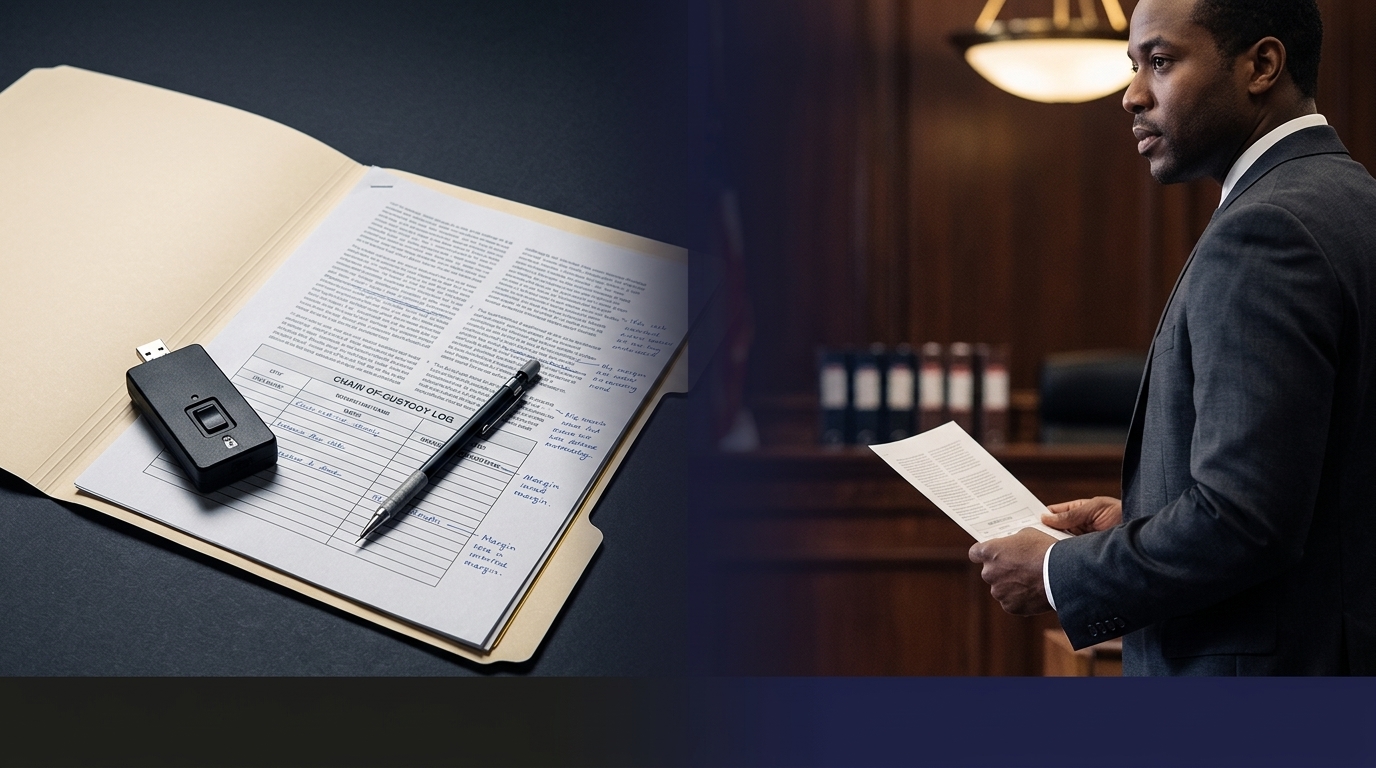
The chain of custody in digital forensics maintains evidence's integrity from collection to courtroom. Document each step meticulously: who handled it, when, and why. Lapses here can unravel even the strongest cases. A clear chain ensures that evidence is admissible and credible.
Establishing a reliable process means no surprises later. Keep logs of every transaction, and store them securely. This not only protects the evidence but also the integrity of your investigation.
Artifact and Timeline Analysis
Artifacts in digital forensics reveal the hidden story behind data. They show what happened and when. Analyzing these can clarify the sequence of events, making sense of chaos. Timeline reconstruction organizes these events chronologically, providing a clear narrative.
This analysis is essential for piecing together digital puzzles. It transforms raw data into a coherent story, vital for legal defensibility. Preserve these artifacts carefully to maintain context throughout the investigation.
Trusted Forensic Partnership
Expert Guidance and Testimony
Having experts who can translate technical findings into understandable terms is crucial. They add weight to your case, making sure every detail is correctly presented. Expert testimony can tip the scales in complex cases, ensuring your side is heard clearly.
Ensuring Data Integrity and Compliance
Data integrity is non-negotiable. Your process must align with compliance standards to avoid pitfalls. This ensures that every step is defensible, from collection to courtroom. Adhering to best practices not only protects your data but also the outcome of your case. Check out standards and best practices for digital forensics for more information.
Contact Alethean Group for Readiness
When you're ready to ensure your digital forensics process is both effective and compliant, Alethean Group offers expert guidance and customized solutions. They're your ally in navigating complex challenges with confidence.
Frequently Asked Questions
What is forensic imaging in digital forensics?
Forensic imaging involves creating an exact bit-by-bit copy of digital data. This method ensures that the original data remains unaltered and is crucial for maintaining evidence integrity.
Why is the chain of custody important in digital forensics?
The chain of custody documents the handling of evidence from collection to presentation in court. It prevents tampering and ensures the evidence is credible and admissible.
How does artifact analysis help in digital investigations?
Artifact analysis uncovers hidden information within digital data, revealing actions taken on a device. It provides context and timelines, crucial for understanding the full story behind the data.


Comments